Sphynx Kitten First 30 Days: Complete Hairless Cat Care Guide
The ultimate guide to caring for your new Sphynx kitten—from skin care and temperature regulation to the unique bonding experience of owning a hairless cat.
The Alien Who Stole Your Heart
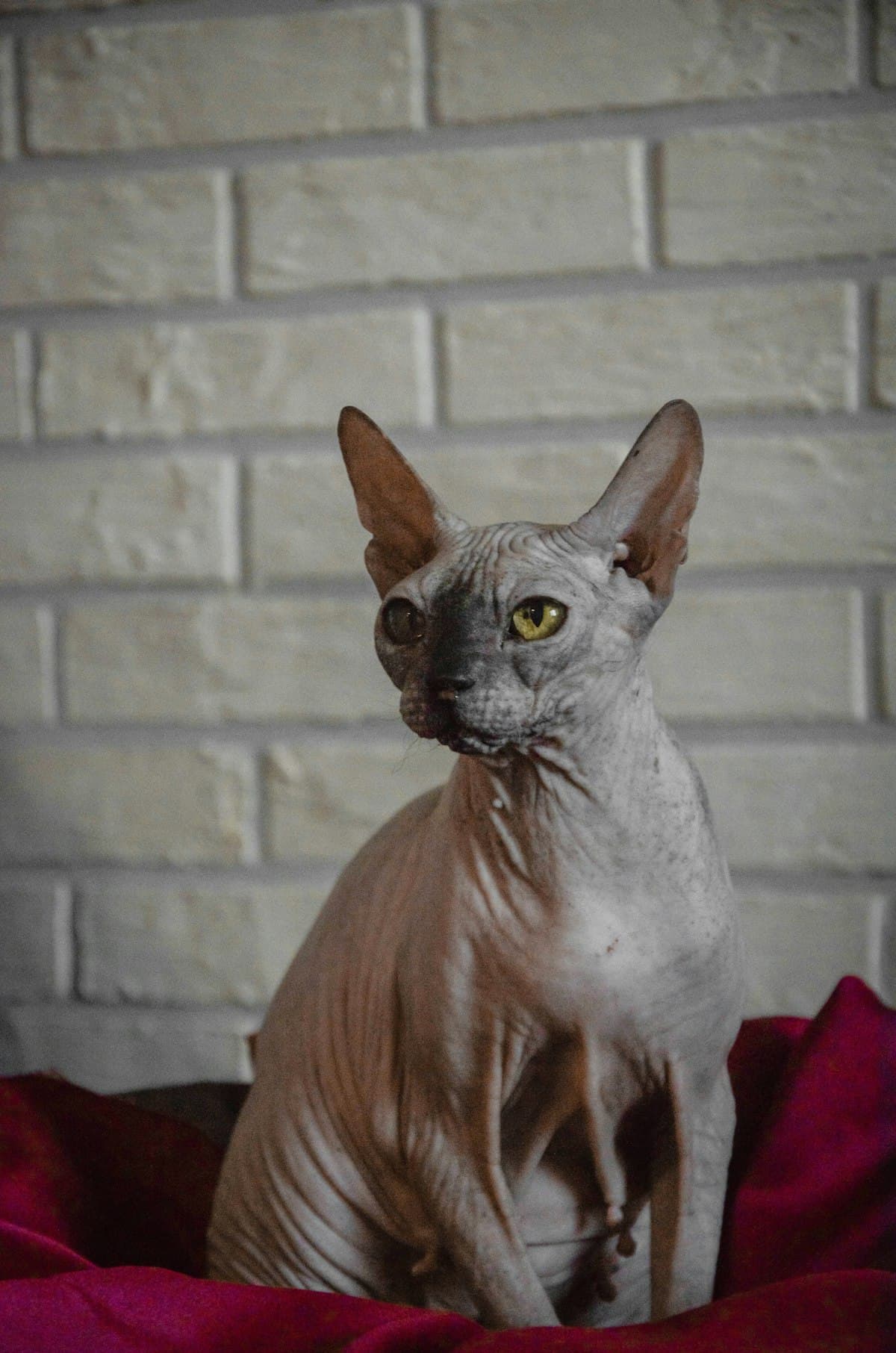
You didn't get a cat. You got a wrinkly, warm, velvet-skinned extraterrestrial who will follow you into the shower, sleep under your covers, and greet every stranger like a long-lost friend. Within 48 hours, that bizarre appearance—the bat ears, the potbelly, the hairless wrinkles—will become the most beautiful thing you've ever seen.
But let's be honest: Sphynx are not low-maintenance cats. That lack of fur doesn't mean less grooming—it means different grooming. Oil builds up on their skin. They get cold. They sunburn. They need baths. They're also prone to hypertrophic cardiomyopathy (HCM), which requires monitoring.
Here's how to survive—and thrive—during your first 30 days with your hairless wonder.
Day 1: Preparing for Your Naked Kitten
Sphynx need a carefully prepared environment. They can't regulate body temperature like furred cats, and their skin requires specific care. Before your kitten arrives:
Temperature Control Essentials
- Heated beds: Multiple options—self-warming pads, electric heated beds, microwavable heating discs
- Cat sweaters/clothes: Yes, really. Multiple sets for warmth and oil absorption
- Cozy blankets: Fleece, Sherpa, anything soft for burrowing
- Room temperature: Keep your home at 68-77°F (20-25°C)
Skin Care Supplies
- Gentle cat shampoo: Hypoallergenic, fragrance-free (like Earthbath or Burt's Bees)
- Baby wipes: Unscented, for daily wipe-downs
- Ear cleaner: Sphynx produce more ear wax
- Cotton balls/pads: For ear and eye cleaning
- Pet-safe sunscreen: For any sun exposure
Standard Kitten Supplies
- High-quality kitten food (Sphynx have high metabolisms)
- Shallow water bowls or fountain
- Litter box with low sides (easy to clean those naked paws)
- Soft bedding in multiple locations
- Interactive toys
Week 1: The Warm Welcome
Your Sphynx kitten will likely be more confident than you expect. These cats are people cats—social, curious, and unbothered by new situations. But that doesn't mean you should skip the adjustment period.
Day 1-2: Safe Space Setup
Start in one warm room. Sphynx are heat-seekers, so they'll immediately find the warmest spots—sunny windows, heating vents, your lap. Provide:
- A heated bed as home base
- Food and water near the bed
- Litter box in an easy-to-find location
- A cat cave or covered bed for security
Expect your kitten to want contact almost immediately. Sphynx are not aloof—they're velcro cats who crave human touch.
Day 3-4: First Bath Experience
Unlike furred cats, Sphynx need regular baths—their skin produces oil that normally would be absorbed by fur. Without fur, oil builds up, attracts dirt, and can cause skin issues.
First bath tips:
- Use lukewarm water (test with your elbow)
- Gather supplies before starting—towels, shampoo, treats
- Make it quick and positive (5-10 minutes max)
- Dry thoroughly—wet Sphynx chill quickly
- Wrap in a warm towel immediately
- Reward with treats and cuddles
Establish bathing as a positive routine now. Most Sphynx learn to tolerate—or even enjoy—baths.
Day 5-7: Temperature Management
Watch for signs your kitten is cold:
- Curling into a tight ball
- Seeking heat sources constantly
- Cold ears and paw pads
- Shivering (rare but possible)
- Lethargy
Solutions: cat clothes, heated beds, warm blankets, your body heat. Most Sphynx will sleep under covers with you—this is normal and encouraged.
Week 2: Establishing Care Routines
Daily Skin Maintenance
Between weekly baths, Sphynx need daily attention:
- Wipe-downs: Use unscented baby wipes on skin folds, between toes, around the neck
- Ear cleaning: Check ears every 2-3 days; clean with ear cleaner and cotton balls
- Eye cleaning: Wipe eye discharge gently (Sphynx lack eyelashes to protect from debris)
- Nail cleaning: Oil builds up around nails; clean during weekly baths
Feeding the Furnace
Sphynx have fast metabolisms—they burn calories maintaining body heat. Your kitten may eat more than similarly-sized furred kittens.
Feeding guidelines:
- High-protein, quality kitten food
- Multiple small meals (3-4 times daily for kittens)
- Always available fresh water
- Monitor weight—Sphynx should have a visible "potbelly" but ribs should be feelable
Litter Box Considerations
Naked paws + litter = oil and debris buildup. Choose litter carefully:
- Fine-grain, dust-free litter works best
- Avoid scented litters (skin sensitivity)
- Wipe paws after litter box use if needed
- Keep box extra clean—Sphynx are fastidious
Week 3: Socialization and Exploration
The Social Butterfly
Sphynx are famously friendly—they'll greet visitors like celebrities and try to make friends with everyone. Encourage this:
- Introduce family members and friends early
- Let your kitten approach at their own pace (usually immediately)
- Supervise interactions with children—teach gentle handling
- Introduce to pets slowly, despite your Sphynx's confidence
Sun Safety
Sphynx can sunburn. By week 3, your kitten may have found sunny spots. Protect them:
- Limit direct sun exposure, especially midday
- Use pet-safe sunscreen on exposed areas if needed
- Provide shaded alternatives near windows
- Consider UV-filtering window film
Play and Mental Stimulation
Sphynx are intelligent and playful. They need engagement:
- Interactive wand toys
- Puzzle feeders
- Cat trees and climbing structures
- Fetch games (yes, Sphynx often fetch)
- Hide and seek with treats
Week 4: Health and Long-term Planning
First Vet Visit Focus
If you haven't had a vet check yet, schedule one. Discuss:
- HCM screening: Sphynx are prone to hypertrophic cardiomyopathy. Ask about baseline echocardiogram and annual screening
- Skin health: Have vet check for any yeast or bacterial concerns
- Vaccination schedule: Standard kitten vaccines
- Dental care: Sphynx can have dental issues; establish early monitoring
Clothing and Comfort
Yes, your Sphynx needs a wardrobe:
- Cotton or fleece sweaters for daily wear
- Multiple sets (they get oily and need washing)
- Proper fit—not too tight around legs or neck
- Naked time too—let skin breathe
The Unique Bond
By week 4, you'll understand why Sphynx owners are obsessed. That warm, suede-like skin pressed against you. The way they follow you room to room. The conversations (yes, they're chatty). The under-covers snuggling. The ridiculous poses.
Sphynx don't just live with you—they're with you constantly. It's like having a clingy, affectionate, slightly wrinkly shadow.
30-Day Milestone Checklist
| Day | Milestone | What to Watch |
|---|---|---|
| 1 | Arrival | Warm safe space, first contact |
| 3-4 | First bath | Establish positive bath routine |
| 5-7 | Temperature check | Ensure kitten is staying warm |
| 7-10 | Vet visit | Health check, HCM discussion |
| 10-14 | Daily care routine | Wipes, ears, eyes established |
| 14-21 | Socialization | Meeting family, exploring home |
| 21-25 | Play routines | Interactive play established |
| 25-28 | Wardrobe sorted | Clothes that fit, regular washing |
| 29-30 | 30-day assessment | Skin, weight, bonding review |
Frequently Asked Questions
How often do I need to bathe my Sphynx?
Most Sphynx need baths every 1-2 weeks, but this varies by individual. Some produce more oil than others. Daily wipe-downs with baby wipes extend time between baths. If your Sphynx feels greasy or leaves oil marks on furniture, it's bath time.
Are Sphynx really hypoallergenic?
No. The allergen is in cat saliva and skin oils, not fur. Sphynx can actually trigger allergies more because you're in direct contact with their skin. However, some people with mild allergies do better with Sphynx. Test before committing.
My Sphynx has dark oil in their skin folds—is that normal?
Brown/dark oil buildup in skin folds is normal and just means it's time for a wipe-down or bath. However, if you see black specks (could be yeast), redness, or smell, consult your vet. Regular cleaning prevents most issues.
Why does my Sphynx always want to be under the covers?
They're seeking warmth and contact. This is completely normal Sphynx behavior. Most Sphynx sleep under covers with their humans. If you don't want this, provide heated beds as alternatives—but good luck enforcing that boundary.
Do Sphynx get along with other pets?
Generally yes—Sphynx are social and often enjoy companionship. They may actually benefit from another cat for warmth and play, especially if you work long hours. Introduce slowly and supervise initially, but Sphynx are usually the friendlier party.
Celebrate Your Wrinkly Wonder
These first 30 days with a Sphynx are unlike any other cat experience. Yes, there's more maintenance—baths, wipes, temperature management, wardrobe changes. But in return, you get the most affectionate, interactive, personality-filled cat imaginable.
That alien appearance? It's already become beautiful to you. Those wrinkles, those big ears, that pot belly, that warm suede skin—it's perfection in its own unique way.

Ready to immortalize your hairless wonder? Create a custom pet portrait that captures their unique beauty—from elegant to quirky. Or browse our Sphynx portrait gallery for inspiration. Because your warm, wrinkly companion deserves to be celebrated.