Labrador Retriever First 30 Days: Complete New Owner Guide (2026)
Bringing home a Labrador Retriever puppy? This comprehensive guide covers everything from Day 1 preparation to Week 4 milestones, with breed-specific tips for training your eager-to-please Lab, preventing obesity, and introducing them to water.
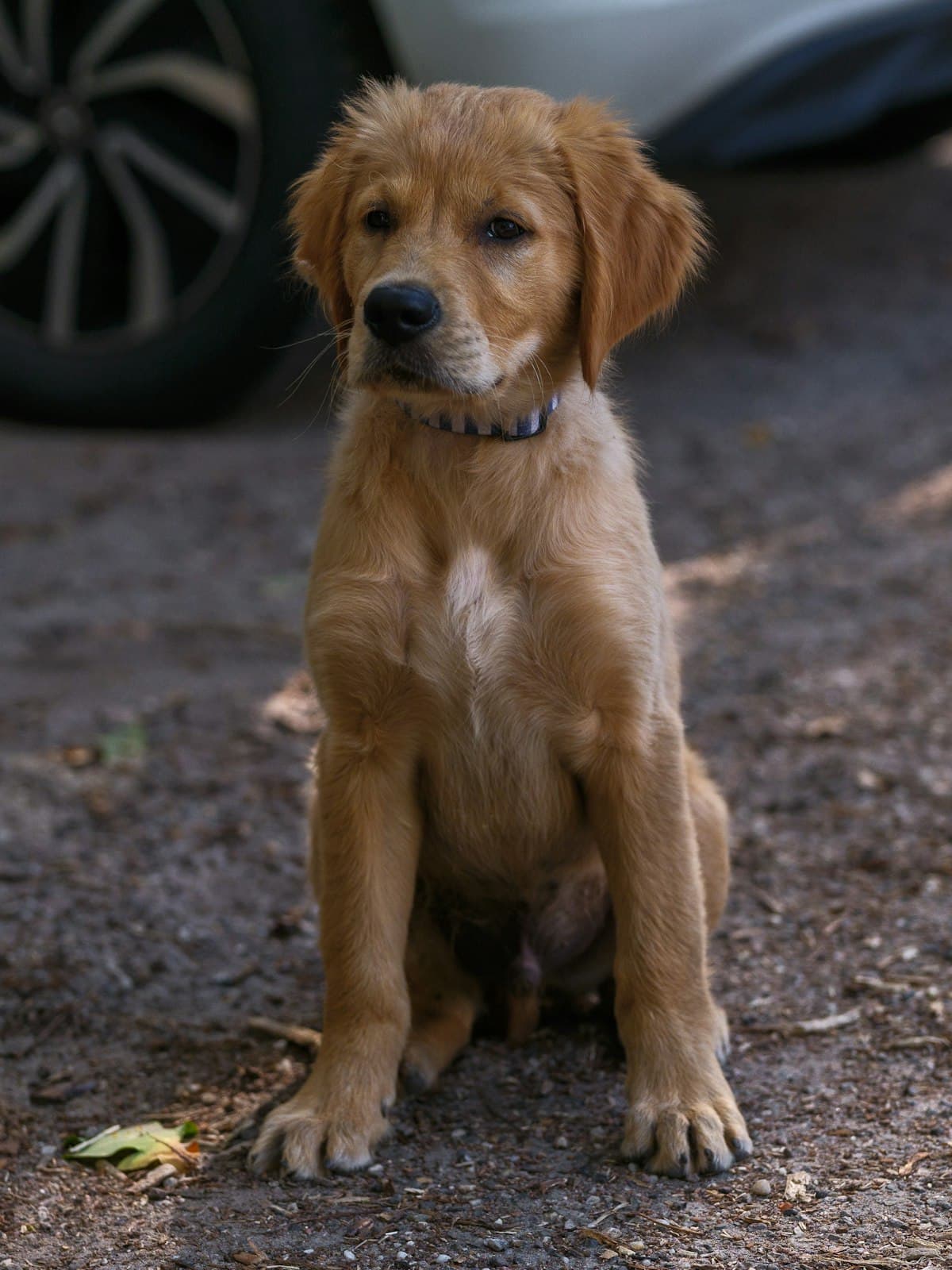
For 31 consecutive years, the Labrador Retriever has held the title of America's most popular dog breed. In 2022, the AKC separated French Bulldogs into their own category, but make no mistake—Labs remain the quintessential family dog. There's a reason: no other breed combines intelligence, trainability, affection, and sheer joy quite like a Labrador.
But here's what first-time Lab owners don't expect: that adorable 15-pound puppy will become a 65-80 pound bundle of pure, unbridled enthusiasm within a year. Labs don't just walk—they bounce. They don't just eat—they inhale. They don't just love water—they'll find every puddle, pond, and mud hole within a five-mile radius. And those mouths? Bred to retrieve game birds, Labrador puppies will put everything in their mouths, including your shoes, furniture, and hands.
The good news? Labs are famously eager to please and respond brilliantly to positive training. With the right approach during these critical first 30 days, you'll channel that Lab energy into a well-mannered companion who'll be your best friend for the next 10-14 years.
Starting your Lab journey? Many owners love capturing their puppy's irresistible face in a custom pet portrait—those soulful eyes and floppy ears deserve to be immortalized. Or explore our Labrador portrait collection for inspiration.
Before Day 1: The Labrador Preparation Checklist
Labrador puppies typically come home between 8-10 weeks old. At this age, they've learned bite inhibition from their littermates, started basic socialization with their mother, and are ready to bond with their new family. But they're also tiny eating machines with endless energy and zero impulse control.
According to the AKC's Labrador training guide, preparation is everything. Here's your essential supply list.
Essential Supplies for Your Lab Puppy
Crate (Get the adult size with a divider): Labs grow fast—expect your puppy to gain 2-3 pounds per week for the first few months. Purchase a 42" or 48" crate with an adjustable divider. The crate should be large enough for the puppy to stand, turn around, and lie down, but not so spacious they can use one corner as a bathroom.
Stainless steel food and water bowls: Labs are notorious chewers, and plastic bowls harbor bacteria and can cause chin acne. Stainless steel is durable, hygienic, and won't become a chew toy. Consider a slow-feeder bowl—more on this crucial topic later.
High-quality large-breed puppy food: This is critical for Labs. Large-breed puppy formulas contain controlled calcium and phosphorus levels to support healthy bone development and help prevent hip dysplasia. Look for brands like Royal Canin Labrador Retriever Puppy, Purina Pro Plan Large Breed Puppy, or Orijen Large Breed Puppy.
Durable chew toys (many of them!): Labs have powerful jaws and a genetic drive to carry things in their mouths. Stock up on:
- Kong Classic (red or black for strong chewers)—stuff with peanut butter and freeze
- Nylabone DuraChew
- West Paw Zogoflex toys
- Rope toys for supervised play
- Chuck It balls (avoid tennis balls—they wear down teeth)
Collar, ID tags, and leash: Start with an adjustable puppy collar—you'll go through 3-4 sizes in the first year. A 6-foot flat leash is best for training. Avoid retractable leashes, which teach pulling and offer less control.
Grooming supplies: Labs have a double coat that sheds year-round with major "blow-outs" twice yearly. You'll need a slicker brush, an undercoat rake, and a good vacuum. Start grooming routines early to make it a positive experience.
Enzymatic cleaner: House training accidents are inevitable. Products like Nature's Miracle or Rocco & Roxie neutralize odors that attract repeat marking—essential for successful house training.
Swimming preparation supplies (for later): Labs and water are inseparable. Have these ready for Week 3-4:
- Puppy life jacket (even water dogs need safety gear while learning)
- Absorbent towels (lots of them)
- Ear cleaning solution (wet ears can lead to infections)
Puppy-Proofing for a Mouthy, High-Energy Breed
Labrador puppies explore the world with their mouths. Combined with their energy and curiosity, this means serious puppy-proofing is non-negotiable:
- Hide or protect all electrical cords—cord protectors or bitter apple spray help
- Remove shoes, socks, and clothing from puppy reach (Labs are famous for sock-stealing)
- Secure trash cans with locking lids
- Move houseplants to unreachable heights (many are toxic, and Labs will eat anything)
- Store cleaning supplies and medications in locked cabinets
- Gate off stairs (limit stair use until 12+ months to protect developing joints)
- Check your yard for escape routes and remove toxic plants
- Pick up children's toys—small pieces are choking hazards
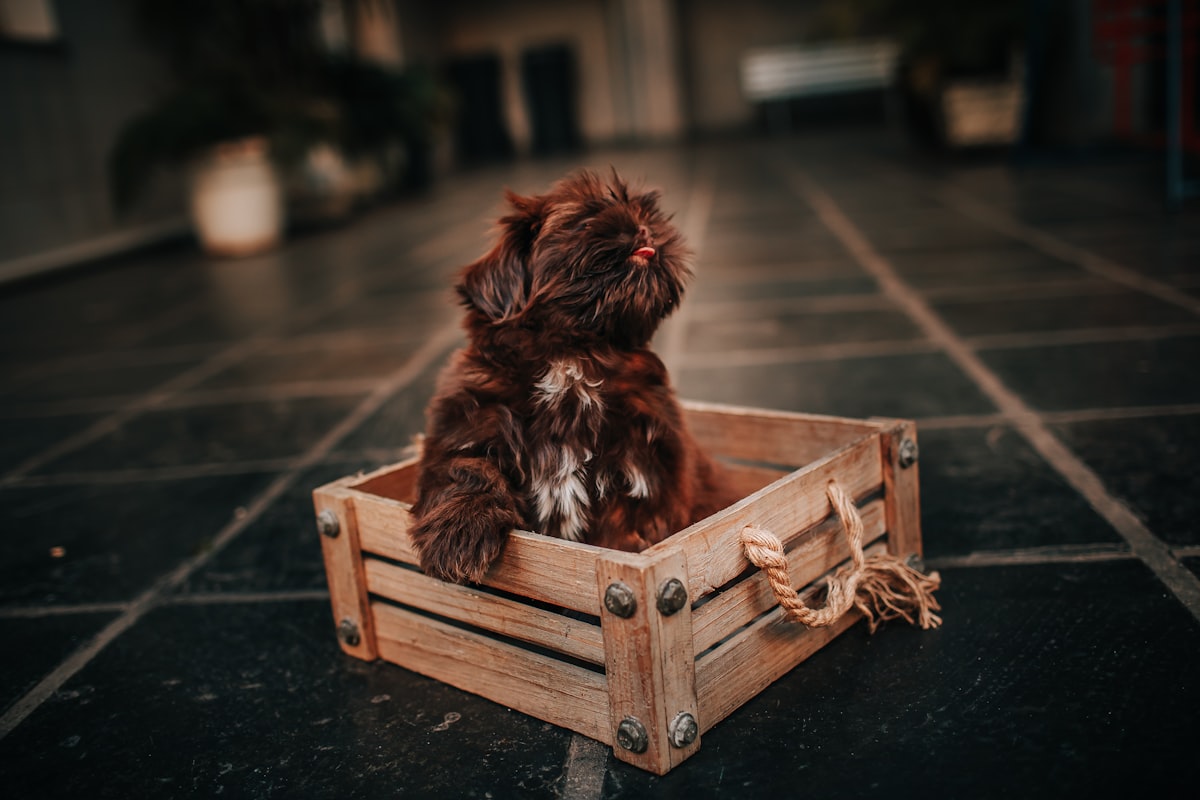
Day 1: Bringing Your Labrador Puppy Home
Your Lab puppy just left their mother and siblings—the only family they've ever known. Despite the breed's famous friendliness, expect some confusion, possible carsickness, and nighttime crying. Your job today is simple: create safety and start establishing routine.
The Car Ride Home
Bring a crate or have someone hold the puppy securely in the back seat. Pack paper towels and plastic bags—motion sickness is common. Skip toys and treats for now; most puppies are too overwhelmed to care. Keep the ride calm with minimal radio and gentle voices.
The First Few Hours
Keep it calm and structured. Resist the urge to invite the whole neighborhood over. According to The Labrador Site, your first-day routine should be:
- Potty break immediately: Carry the puppy from the car to a designated potty spot. Wait quietly until they go, then praise calmly (Labs respond to cheerful voices). This begins house training from minute one.
- Introduce the crate: Place the crate in a common area. Leave the door open. Toss treats inside. Let the puppy explore at their own pace. The crate should be a refuge, never a prison.
- Offer water, then a small meal: After 30 minutes of settling, offer fresh water. Wait another hour before offering a small meal (stress can cause digestive upset).
- Keep exploration limited: Start with one room. Too much space is overwhelming. Gradually expand territory over the first week.
- Establish the bedtime routine: Labs thrive on consistency. From Night 1, create a routine: final potty break, quiet time, crate with a Kong or chew toy.
The First Night
Expect crying. Your puppy is lonely and confused. Some trainers recommend placing the crate next to your bed so the puppy can smell and hear you. Over the following week, gradually move the crate to its permanent location if needed.
Set alarms for potty breaks—puppies this young can only hold their bladders for 3-4 hours maximum. Take them out, praise success, and return them to the crate with minimal fuss. Night time is for sleeping, not playing.
Week 1: Adjustment and House Training (Days 1-7)
Week 1 is about survival, routine establishment, and house training foundations. Your energetic Lab puppy has a lot to learn.
House Training Your High-Energy Lab
According to VCA Animal Hospitals, consistency is everything in house training. Labs are intelligent and eager to please, which makes them relatively easy to house train—if you're consistent.
The hourly schedule: Take your puppy outside:
- First thing when they wake up (morning and from naps)
- After every meal
- After every play session
- After drinking water
- Every hour otherwise
- Last thing before bed
Signs your Lab needs to go: sniffing the ground, circling, whining, heading toward the door, suddenly stopping play, or squatting (you're too late!).
When accidents happen: Clean thoroughly with enzymatic cleaner—the odor of urine is a cue to use that location again. Never punish accidents; it creates fear without understanding. Simply clean and commit to more frequent breaks.
Crate training supports house training: Puppies naturally avoid soiling their sleeping space. Keep the crate appropriately sized so they can't eliminate in one corner and sleep in another. According to VCA's puppy behavior guide, puppies under 4 months shouldn't be crated longer than 3 hours except overnight.
Feeding Schedule for Week 1
At 8-12 weeks, Labrador puppies need 3-4 meals per day. Their small stomachs can't hold enough food in one or two meals to meet their energy needs.
A typical schedule:
- 7:00 AM — Breakfast
- 12:00 PM — Lunch
- 5:00 PM — Dinner
- (Optional: 9:00 PM — Small fourth meal for very young puppies)
- Remove water 2 hours before bedtime to reduce overnight accidents
Critical Lab tip: Stick to the exact food the puppy was eating at the breeder's home. If you want to change diets, do so gradually over 7-10 days after the puppy has settled. Sudden food changes cause digestive upset.
Managing Lab Energy Levels
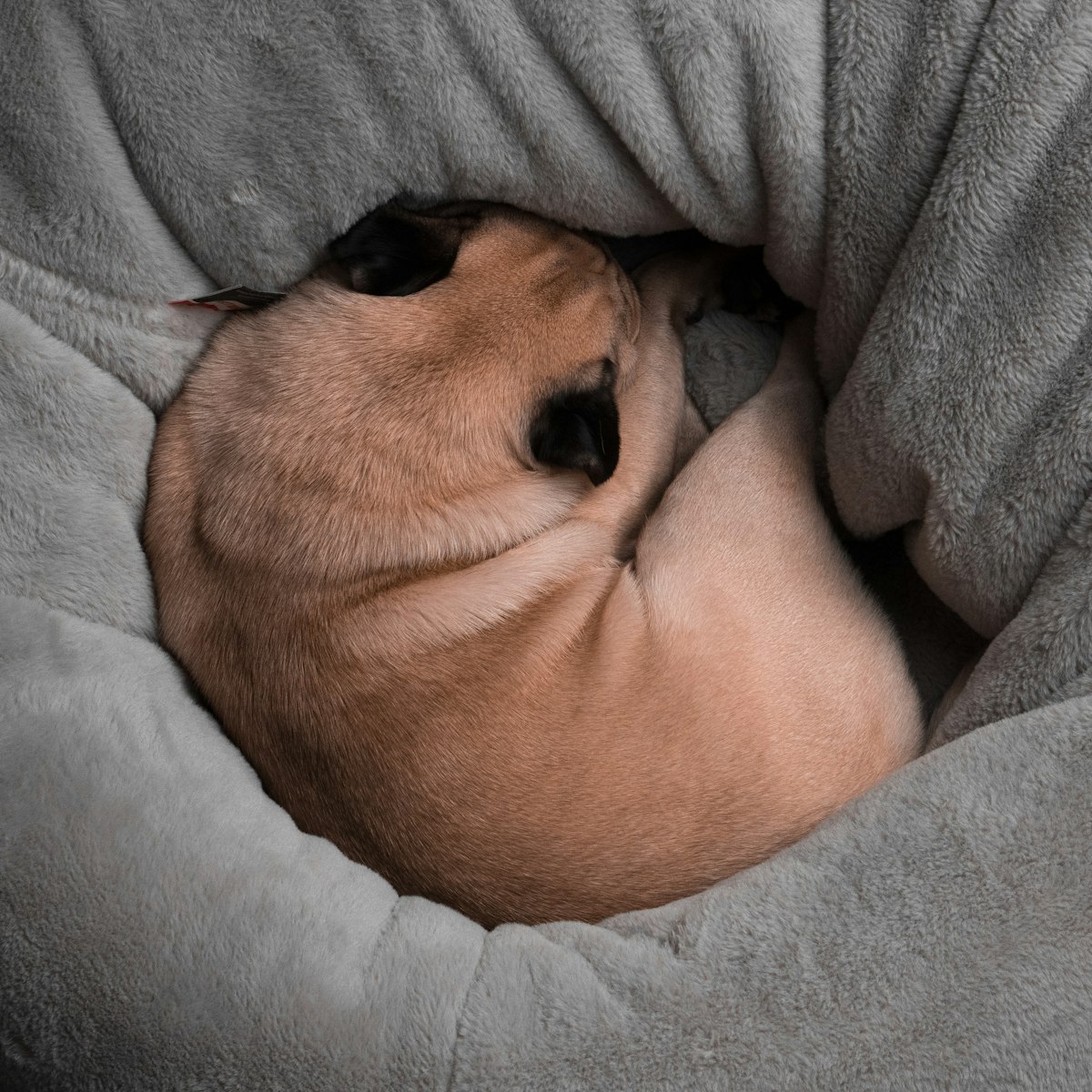
Even at 8 weeks, Lab puppies have notable energy. But puppies also need 18-20 hours of sleep daily. An overtired Lab puppy becomes a nippy, hyperactive tornado.
The 1-2-1 rule: 1 hour awake, 2 hours of enforced nap time (in crate with a Kong), 1 hour awake. Puppies don't know they're tired and will push through exhaustion into chaos. Enforce naps.
Week 2: Basic Training Begins (Days 8-14)
Your Lab has had a week to decompress. Now their famous trainability becomes your greatest asset. Labs are among the most eager-to-please breeds—they want to make you happy. Harness this now.
Why Labs Excel at Training
As noted by VCA's training basics guide, puppies repeat behaviors that have good results. Labs are incredibly food-motivated (sometimes too much—more on this later), which makes positive reinforcement training remarkably effective.
Training guidelines for Lab puppies:
- Keep sessions short: 5-10 minutes, 3-4 times daily
- Use high-value treats cut into pea-sized pieces
- End on a success—always finish with something the puppy knows
- Train before meals when motivation is highest
- Be enthusiastic! Labs respond to your energy
Week 2 Commands
Name recognition: Say your puppy's name in an upbeat voice. When they look at you, mark with "Yes!" and treat immediately. Repeat dozens of times daily. Their name should mean "good things happen when I pay attention to this person."
Sit: Hold a treat above your puppy's nose and slowly move it back over their head. As they look up, their bottom naturally lowers. The instant it touches the ground, mark with "Yes!" and treat. Labs typically master this in 1-2 sessions.
Come (recall): This is the most important command you'll ever teach—it can save your Lab's life. Start indoors with zero distractions. Say your puppy's name, then "Come!" in an excited voice. When they move toward you, celebrate enthusiastically and treat generously. Make coming to you the best thing that ever happens.
Leave it: Essential for a breed that puts everything in their mouth. Place a treat in your closed fist. When the puppy stops pawing and licking and looks at you instead, mark and treat from your other hand. This builds impulse control.
Drop it: Equally essential. Offer a toy, then present a high-value treat while saying "Drop it." When the puppy releases the toy, praise and give the treat. Then return the toy—this prevents resource guarding.
Managing the Puppy Biting Phase
Lab puppies have needle-sharp teeth and a genetic drive to use their mouths. According to the ASPCA, this is completely normal developmental behavior—but it must be redirected.
When your Lab puppy bites:
- Say "Ouch!" in a high-pitched voice and withdraw all attention for 10-15 seconds
- Immediately redirect to an appropriate chew toy
- Praise enthusiastically when they chew the toy instead
- If they're overtired (most biting escalates with exhaustion), enforce a nap
This phase peaks around 4-5 months during teething and typically improves significantly by 6-8 months. Patience and consistency are key.
Week 3: Socialization and Water Introduction (Days 15-21)
This week combines two critical elements: the socialization window that shapes your Lab's adult temperament, and the breed's famous relationship with water.
Critical Socialization Period
Puppies have a crucial socialization window from 3-16 weeks. Everything they experience positively during this period shapes how they'll respond to the world as adults. Labs are naturally friendly, but undersocialized Labs can develop fear-based reactivity.
The Lab Socialization Checklist:
People of different types:
- Men, women, children of various ages
- People wearing hats, sunglasses, uniforms, backpacks
- People with different skin colors and body types
- People using wheelchairs, walkers, or crutches
- Delivery workers, postal carriers
Sounds:
- Vacuum cleaners, blenders, hair dryers
- Thunderstorm recordings (play quietly at first)
- Traffic, motorcycles, sirens
- Children playing, babies crying
Surfaces and environments:
- Grass, gravel, tile, hardwood, carpet, metal grates
- Wet surfaces (puddles!)
- Car rides
- Pet-friendly stores (carry the puppy until fully vaccinated)
Other animals (vaccinated, friendly dogs only until vaccinations complete):
- Adult dogs with known good temperament
- Cats (if applicable to your household)
Introducing Your Lab to Water
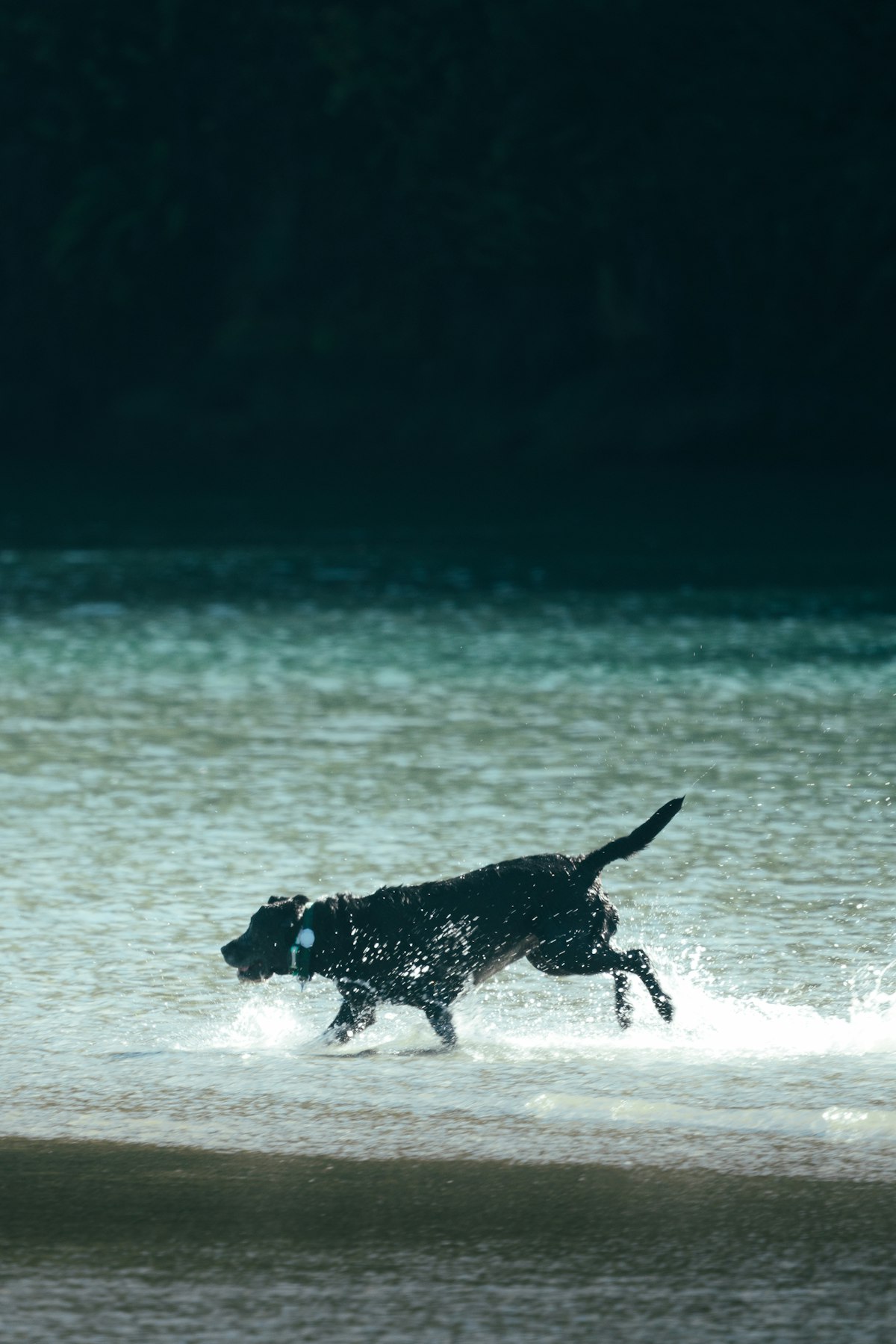
Labradors were bred to retrieve waterfowl from icy Canadian waters. They have webbed feet, a water-resistant double coat, and an otter-like tail for steering. Most Labs take to water naturally—but improper introduction can create fear.
According to Everything Labradors, puppies can begin water introduction around 3-4 months, but the approach matters more than the timing.
Week 3 Water Introduction Steps:
- Start shallow: Use a kiddie pool, bathtub, or very shallow pond edge. The water should only come up to the puppy's ankles initially.
- Make it positive: Scatter treats in shallow water. Toss a floating toy just within reach. Let the puppy choose to enter—never force or toss them in.
- Get in yourself: Labs want to be with their people. Sitting in a kiddie pool with your puppy or wading into shallow water often encourages them to follow.
- Use warm water: Cold water can create negative associations. Wait for warm weather and ensure water temperature is comfortable.
- Keep sessions short and positive: End before the puppy gets tired or cold. Always end on a success.
Important water safety notes:
- Never leave puppies unattended near water—even natural swimmers can tire or panic
- Wait until 6+ months for larger bodies of water like lakes or the ocean
- Use a puppy life jacket for deeper water until swimming is confident
- Clean and dry ears after swimming to prevent infections
Week 4: Health Focus and Obesity Prevention (Days 22-30)
By Week 4, your Lab puppy knows their name, has started basic commands, and is making progress with house training. Now it's time to focus on the health issues that affect Labradors more than other breeds.
The Lab Obesity Crisis
Here's a statistic that should concern every Lab owner: Labs are the most food-obsessed breed, and studies show up to 59% of Labradors are overweight or obese. Research published in Cell Metabolism found that many Labs carry a genetic mutation (POMC gene) that prevents them from feeling full after eating.
According to The Labrador Site's obesity guide, obesity leads to:
- Shortened lifespan (by 2+ years)
- Worsened hip and elbow dysplasia
- Increased risk of diabetes
- Heart disease
- Breathing difficulties
- Reduced quality of life
Prevention starts now—in the first 30 days:
Measure every meal: Use a kitchen scale or measuring cup. "Eyeballing" portions leads to overfeeding. Follow food package guidelines based on your puppy's expected adult weight, not current weight.
Use a slow-feeder bowl: Labs inhale food. Slow-feeder bowls or puzzle feeders make meals last longer, improve digestion, and provide mental stimulation. This single purchase can significantly impact long-term health.
Count treat calories: Treats should be no more than 10% of daily calorie intake. Use tiny pieces—Labs work just as hard for a pea-sized treat as a large one. Consider using kibble from their daily ration for training.
Never free-feed: Leaving food out all day guarantees an overweight Lab. Structured meals (3-4 times daily for puppies) allow you to control portions and monitor appetite changes that might signal health issues.
Learn body condition scoring: You should be able to feel (but not prominently see) your Lab's ribs. They should have a visible waist when viewed from above. If your puppy looks like a sausage, reduce portions.
Joint Health: Hip Dysplasia, Elbow Dysplasia, and EIC
Labradors are prone to orthopedic issues that can be mitigated with proper puppy care.
Hip and Elbow Dysplasia: These developmental joint conditions are partly genetic and partly environmental. While you can't change genetics (which is why buying from health-tested parents matters), you can reduce environmental risk factors:
- Keep your puppy lean—excess weight stresses developing joints
- Feed large-breed puppy food with controlled calcium and phosphorus
- Limit high-impact exercise until growth plates close (12-18 months)
- Avoid slippery floors (use rugs and runners)
- Don't let puppies jump on/off furniture or in/out of cars
- Limit stair climbing
- Swimming is excellent low-impact exercise once swimming skills are established
Exercise-Induced Collapse (EIC): According to the UC Davis Veterinary Genetics Laboratory, EIC is a genetic neuromuscular disorder affecting Labradors. Dogs with two copies of the mutation can collapse after 5-20 minutes of intense exercise or excitement. Signs typically appear between 5 months and 3 years of age.
What to do:
- Ask your breeder if parents were tested (reputable breeders test for EIC)
- Watch for signs: wobbly gait, weakness in hind legs, collapse after intense activity
- If your Lab has EIC, avoid intense exercise and high-excitement situations
- Note that temperature and excitement level influence episodes
The First Vet Visit
Schedule a comprehensive vet exam within the first week of bringing your puppy home. Bring vaccination records from the breeder and a stool sample for parasite testing.
Discuss with your vet:
- Vaccination schedule (DHPP, rabies, Bordetella, Leptospirosis, Lyme if in endemic area)
- Parasite prevention (heartworm, flea, tick)
- Spay/neuter timing (many vets recommend waiting until 12-18 months for large breeds to allow skeletal maturation)
- Hip and elbow screening options
- Weight monitoring plan
Exercise Guidelines for Lab Puppies
Labs need significant exercise—but not as puppies. Over-exercising young Labs damages developing joints and increases dysplasia risk.
The 5-minute rule: 5 minutes of exercise per month of age, twice daily. An 8-week-old puppy gets two 10-minute sessions; a 4-month-old gets two 20-minute sessions.
Safe puppy exercises:
- Short, controlled walks on soft surfaces
- Gentle play with appropriate-sized dogs
- Swimming (once skills are established)
- Training sessions (mental exercise tires puppies too)
- Puzzle toys and snuffle mats
- Supervised fetch on grass (short sessions only)
Avoid until 12-18 months:
- Jogging or running on hard surfaces
- Jumping on/off furniture, beds, or into cars
- Excessive stair climbing
- Extended fetch sessions
- Rough play with much larger dogs
30-Day Milestone Table
Use this table to track your Labrador puppy's progress:
| Milestone | Target | Notes |
|---|---|---|
| Crate trained for naps/night | Day 7-10 | Settles without excessive crying |
| House training 80% reliable | Day 21-30 | Accidents decrease to 1-2 per week |
| Responds to name | Day 7-10 | Looks at you when called |
| Knows "Sit" | Day 10-14 | Reliable with treat lure |
| Knows "Come" (indoors) | Day 14-21 | Comes when called inside with low distractions |
| Knows "Leave it" and "Drop it" | Day 21 | Essential for this mouthy breed |
| Comfortable with water | Day 21-30 | Willingly enters shallow water |
| Socialized to 7+ new experiences | Day 21 | People, sounds, surfaces, locations |
| First vet visit complete | Day 7-14 | Vaccinations started, health baseline set |
| Using slow-feeder bowl | Day 1 | Start obesity prevention immediately |
| Biting redirected to toys | Day 30 | Less mouthing of hands, consistent redirection |
| Walks on leash without pulling | Day 30 | Beginning loose-leash walking |
Frequently Asked Questions
Why does my Lab puppy seem hungry ALL the time?
Many Labradors carry a genetic mutation (POMC gene deletion) that prevents them from feeling satiated after eating. A 2016 Cambridge University study found this mutation in 23% of Labs. If your puppy acts starving despite adequate food, this is likely genetic—not you underfeeding them. Do not increase portions. Use puzzle feeders to make meals more satisfying, and ensure you're feeding the appropriate amount for their expected adult weight. Consult your vet if you're unsure about portions.
How do I stop my Lab from chewing everything?
Labs are mouthy breeds with a strong chewing drive that peaks during teething (3-6 months). Provide abundant appropriate chew toys—Kong toys stuffed with peanut butter and frozen, Nylabones, and rope toys. When you catch them chewing something inappropriate, say "Leave it," redirect to an appropriate toy, and praise enthusiastically when they chew the right thing. Ensure adequate exercise and mental stimulation—a tired Lab is less destructive. Most importantly, puppy-proof relentlessly and don't leave temptations accessible.
When can my Lab puppy start swimming?
You can begin water introduction around 3-4 months with very shallow, warm water (kiddie pools or bathtub). True swimming can begin once your puppy is confident in water and vaccinations are complete (typically 16 weeks). Always supervise swimming, use a puppy life jacket for deeper water, and clean ears after swimming to prevent infections. Never force a puppy into water—let them enter at their own pace with positive encouragement.
How much should my Lab puppy sleep?
Lab puppies need 18-20 hours of sleep daily. Despite their energy, puppies tire quickly and need enforced rest periods. An overtired puppy becomes hyperactive and nippy. Use the "1-2-1 rule": 1 hour awake, 2 hours nap (crate time with a Kong), 1 hour awake. Puppies don't know they're tired—you must enforce naps by putting them in their crate with something to chew.
My Lab puppy pulls on the leash—how do I fix this?
Labs are strong dogs that pull when excited. Start loose-leash training early: walk only when the leash is loose, stop immediately when they pull. When they turn to look at you (wondering why you stopped), mark with "Yes!" and treat. Use a front-clip harness for better control. Practice in low-distraction areas first. Remember that a tired puppy is easier to train, so provide mental and physical exercise before leash practice. Avoid retractable leashes, which reward pulling.
Beyond 30 Days: What Comes Next
The first month is foundational, but your Labrador's puppyhood continues through age 2-3 years. Here's what to expect:
- Months 3-6: Teething peaks around 4-5 months—provide plenty of chews and expect some regression in biting behavior
- Months 6-12: The "teenage" phase brings boundary-testing and selective hearing; stay consistent with training
- Months 12-18: Physical exercise can increase as growth plates close; continue training to solidify behaviors
- Years 2-3: Mental maturity arrives; the well-trained Lab you've raised becomes your steady companion
Consider enrolling in:
- Puppy kindergarten (once vaccinations allow)
- Basic obedience classes
- Canine Good Citizen certification
Labs excel in activities like:
- Dock diving and swimming sports
- Retrieving and field work
- Obedience and rally
- Nose work and tracking
- Therapy dog work (their friendly nature makes them naturals)
- Agility (after growth plates close)
Celebrate Your New Family Member
These first 30 days are a whirlwind of potty breaks, redirected chewing, and enforced nap times. But you've also experienced those soulful brown eyes, that impossibly wagging tail, and a love so pure it fills rooms. There's a reason Labradors have been America's favorite dog for over three decades—they give their whole hearts to their families.
Many Lab owners find this a meaningful time to capture: those oversized puppy paws, the wrinkled forehead when they're confused, that enthusiastic splash into water for the first time. A custom portrait freezes these fleeting moments forever—something you'll treasure when that roly-poly puppy becomes a dignified (well, sometimes dignified) adult.
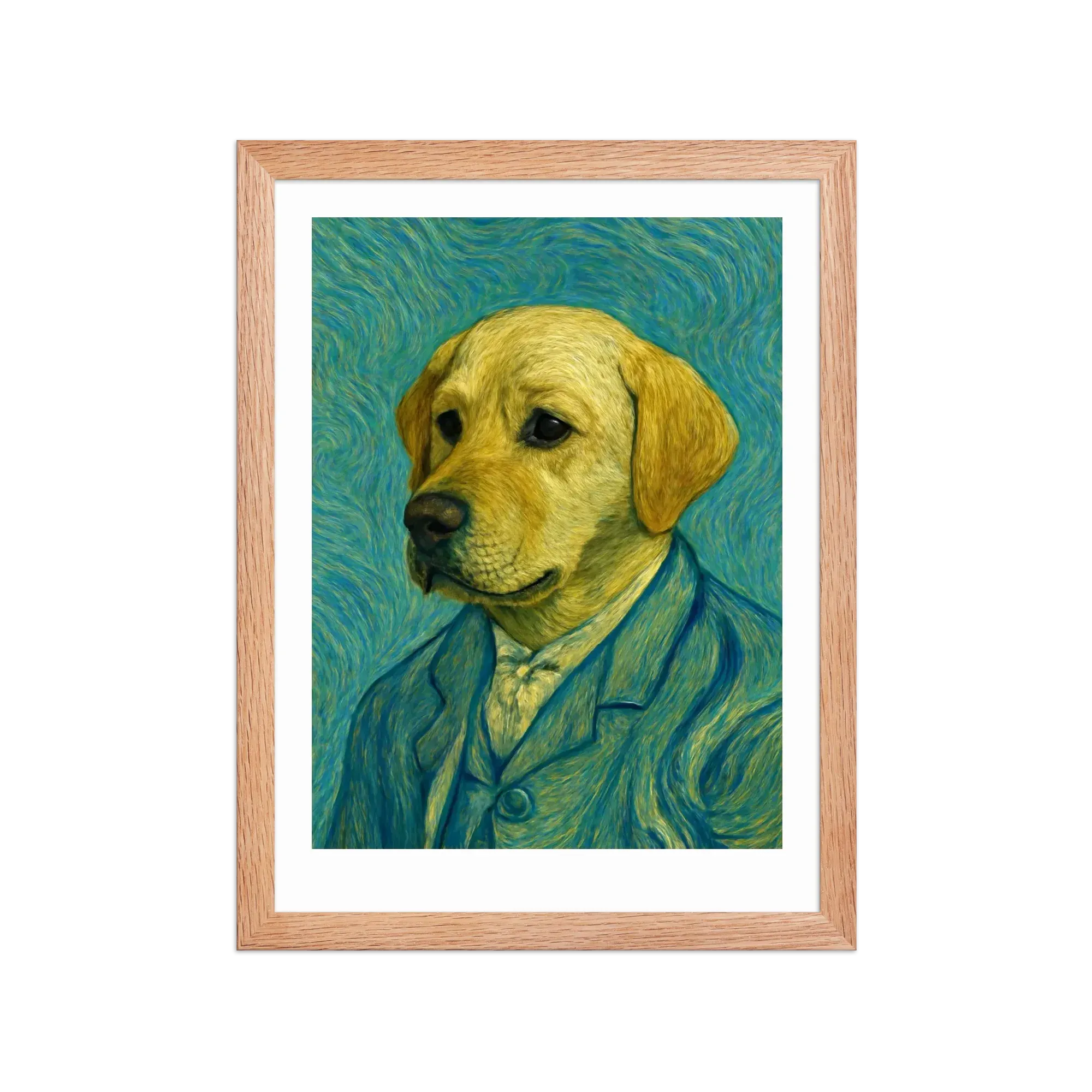
Ready to celebrate your Labrador's puppy days? Create a custom pet portrait in minutes—from regal Renaissance paintings to playful pop art prints. Or browse our Labrador portrait gallery for inspiration. Because every good dog deserves to be immortalized as the masterpiece they are.