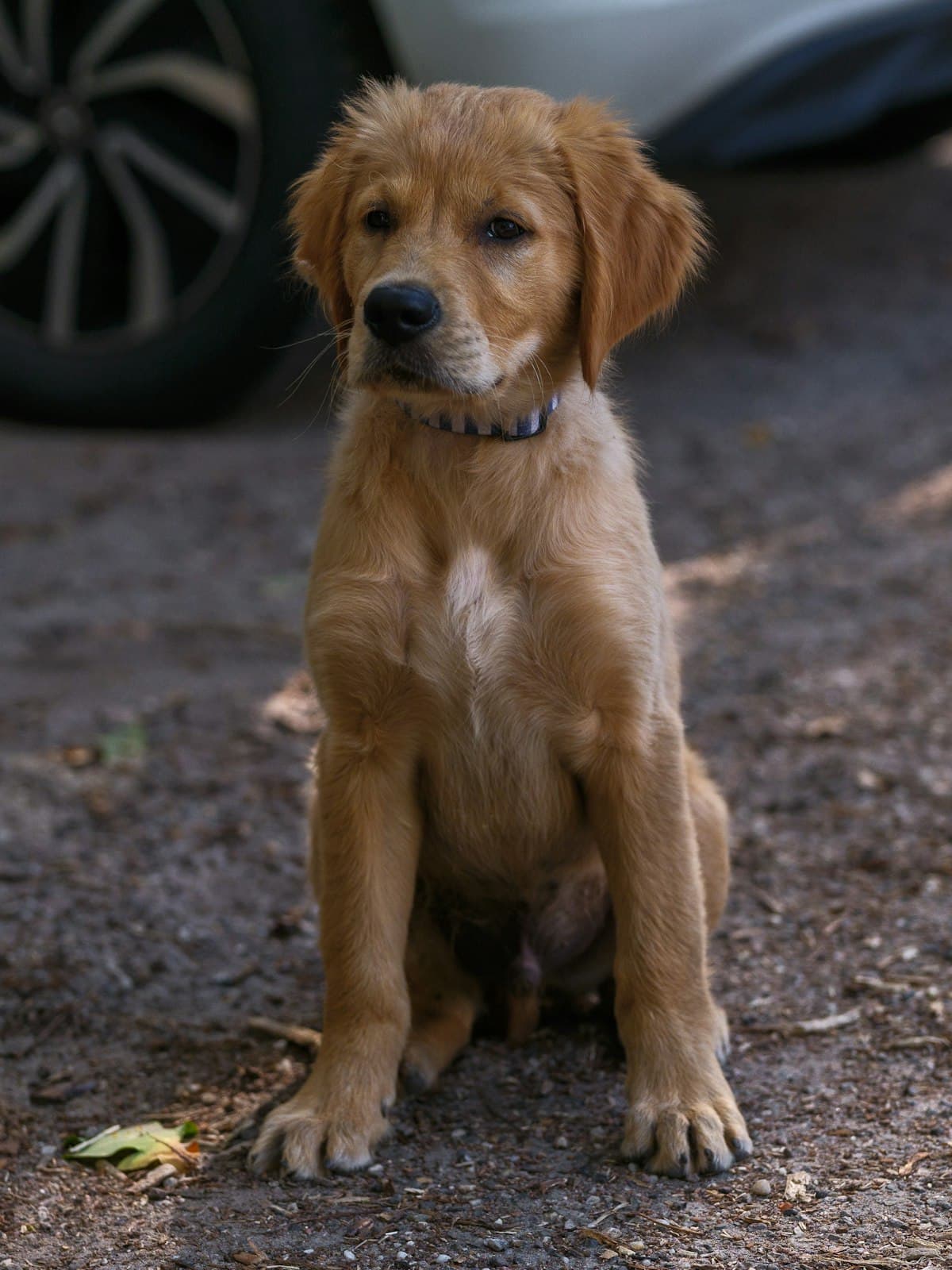
Golden Retriever First 30 Days: Complete New Owner Guide (2026)
Bringing home a Golden Retriever puppy? This comprehensive guide covers everything from Day 1 preparation to Week 4 milestones, with breed-specific tips for training, health management, and nurturing that signature sunny temperament.
In 1868, on a Scottish Highland estate called Guisachan, a man named Dudley Marjoribanks (later Lord Tweedmouth) bred a yellow Flat-Coated Retriever named Nous with a Tweed Water Spaniel named Belle. The result was four golden-coated puppies named Primrose, Ada, Cowslip, and Crocus—the founding ancestors of every Golden Retriever alive today.
For over 150 years, Golden Retrievers have held a special place in human hearts. They consistently rank among the top 3 most popular dog breeds in America, beloved for their gentle mouths, eager-to-please attitudes, and that famous "Golden smile." But here's what first-time Golden owners don't always expect: these dogs are athletes, not couch potatoes. They were bred to retrieve waterfowl in icy Scottish lochs, which means they have energy to burn, mouths that want to carry things (including your shoes), and coats that shed enough to knit a second dog.
The good news? Golden Retrievers are remarkably forgiving of beginner mistakes. Their sunny dispositions and food motivation make them excellent first-time dogs. But those first 30 days still matter enormously. Proper foundation work during this critical period prevents behavioral problems, establishes healthy habits, and deepens the bond between you and your new golden family member.
Capturing these precious puppy days? Many Golden Retriever owners commemorate this special time with a custom pet portrait—a beautiful way to freeze those fluffy puppy moments forever. Or explore our Golden Retriever portrait collection for inspiration.
Before Day 1: The Golden Retriever Preparation Checklist
Golden Retriever puppies are typically ready to come home at 8-10 weeks old. According to the American Kennel Club, reputable breeders begin Early Neurological Stimulation (ENS) around day 3—a program originally developed by the U.S. military to improve puppies' health and adaptability. By the time your puppy arrives, they've already had critical developmental experiences with their mother and littermates.
At 8-10 weeks, your puppy will weigh between 10-20 pounds. Within 18 months, they'll be a 55-75 pound adult. Prepare accordingly.
Essential Supplies for Your Golden Retriever Puppy
Crate (with room to grow): Get a 42" crate with a divider. Golden Retrievers are medium-to-large dogs, and you'll adjust the divider as they grow. The crate should be big enough to stand, turn around, and lie down—but not so large they can designate a bathroom corner.
Large-breed puppy food: This is critical. PetMD emphasizes that Golden Retriever puppies need large-breed puppy formulas with controlled calcium and phosphorus levels. Rapid growth increases the risk of hip dysplasia and other skeletal problems. Look for AAFCO-approved food with DHA for brain development. Don't switch to adult food until your Golden reaches 12-18 months.
Stainless steel food and water bowls: Plastic bowls harbor bacteria and can cause chin acne. Stainless steel is durable and easy to clean. Consider a slow-feeder bowl—Golden Retrievers are champion gulpers, and slowing them down reduces bloat risk.
Collar, ID tags, and 6-foot leash: Start with an adjustable nylon collar (you'll go through 3-4 sizes). Avoid retractable leashes—they teach pulling habits and give you less control.
Grooming arsenal (start early!): Golden Retrievers have medium-length double coats that shed year-round with heavy "coat blows" in spring and fall. You'll need:
- Slicker brush (for daily brushing)
- Undercoat rake or de-shedding tool
- Metal comb for feathering on ears, chest, and legs
- Nail clippers or grinder
- A very good vacuum cleaner
Durable chew toys: Golden Retrievers have "soft mouths" bred for retrieving game birds without damage—but that doesn't mean they're gentle chewers. Kong toys (stuff with peanut butter and freeze), Nylabones, and rope toys are excellent choices. Avoid toys small enough to swallow.
Enzymatic cleaner: Accidents will happen. Products like Nature's Miracle or Rocco & Roxie neutralize odors that attract repeat marking.
Puppy-Proofing for a Retriever
Golden Retrievers are oral dogs—they experience the world through their mouths. Combined with their intelligence and energy, this means they'll find (and potentially swallow) things you didn't know existed. Beyond standard puppy-proofing:
- Remove socks, shoes, and small items from floor level (Goldens are notorious sock thieves)
- Secure trash cans with locking lids
- Store cleaning supplies behind child-locked cabinets
- Remove or elevate toxic plants (lilies, azaleas, and many common houseplants are dangerous)
- Cover or hide electrical cords
- Gate off stairs to protect developing joints
- If you have a pool, install a puppy fence—Golden Retrievers love water but may not know how to exit
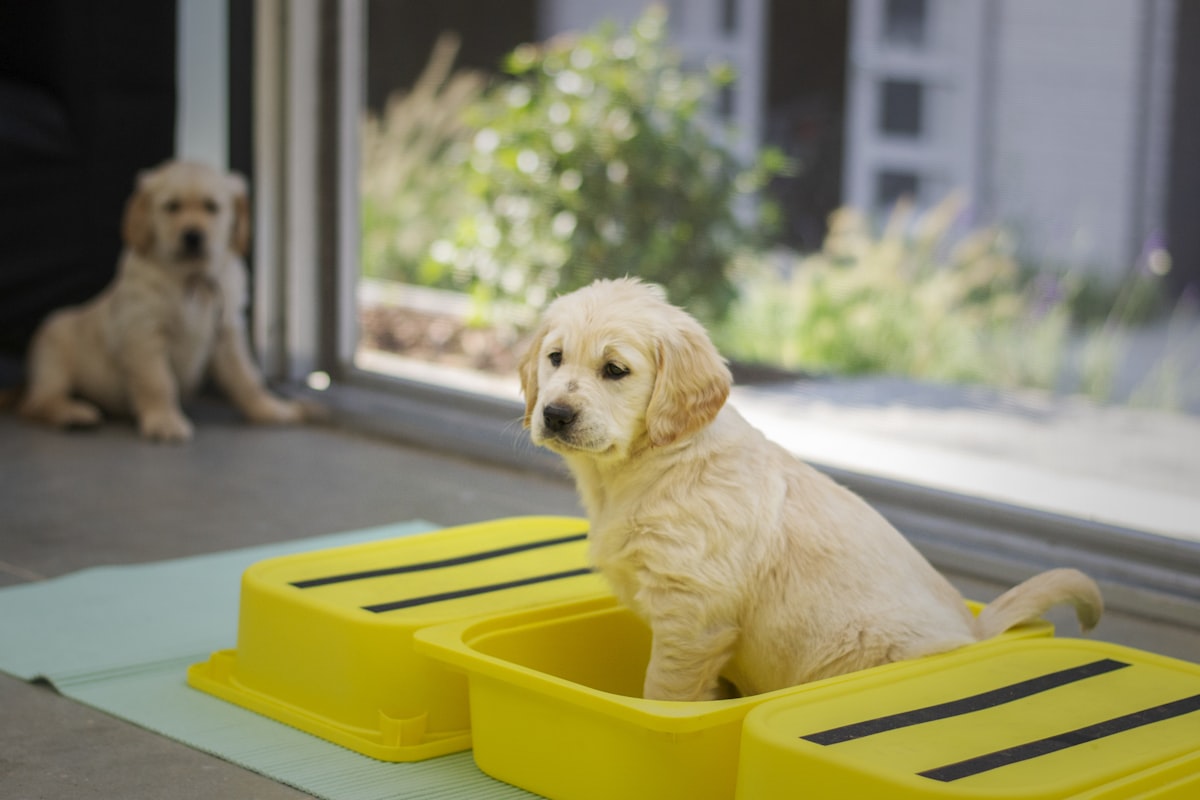
Day 1: Bringing Your Golden Retriever Puppy Home
The big day has arrived. Your puppy just left the only family they've ever known—their mother and littermates. They're overwhelmed, possibly carsick, and definitely confused. How you handle Day 1 sets the foundation for trust.
The Car Ride Home
Bring a secure crate or carrier for the car ride. Have someone sit with the puppy if possible. Pack paper towels, plastic bags, and a clean towel—motion sickness is common. Don't worry about toys or treats yet; most puppies are too stressed to engage.
Play calming music at low volume. Avoid sudden stops. This first car ride shapes their lifelong association with vehicles—keep it as positive as possible.
The First Few Hours
Keep everything calm. Resist the urge to invite neighbors, friends, and family to meet the new puppy immediately. Golden Retrievers may be social dogs, but your puppy needs time to decompress.
Your first-day protocol:
- Potty break first: Carry the puppy from the car to a designated potty spot in the yard. Wait quietly until they go, then offer calm praise. This establishes the routine from minute one.
- Introduce the crate: Place the crate in a family area (not isolated). Leave the door open, toss treats inside, and let the puppy explore at their own pace. The crate should feel like a cozy den, not a prison.
- Water, then food: After 30 minutes of settling, offer fresh water. Wait another hour before offering a small meal. Stress can cause digestive upset, so less is more on Day 1.
- Limited exploration: Let the puppy explore one or two rooms, not the whole house. Too much space is overwhelming.
- Begin bedtime routine: From Night 1, establish a consistent bedtime with a final potty break, then crate time.
The First Night
Expect whining and crying. This is completely normal—your puppy is lonely and scared. Some trainers recommend placing the crate next to your bed so the puppy can smell and hear you. Over the following weeks, gradually move the crate to its permanent location.
Do not let the puppy sleep in your bed unless you want a 70-pound dog sharing your pillow forever. However, do take the puppy out for potty breaks every 3-4 hours—young puppies have tiny bladders and limited control.
Consider a snuggle toy with a heartbeat simulator or a warm (not hot) water bottle wrapped in cloth—these can help soothe anxious puppies.
Week 1: The Adjustment Period (Days 1-7)
Week 1 is about survival and establishing routine. Your goals are simple: begin house training, start crate training, and let your puppy decompress into their new life.
House Training Foundation
Golden Retrievers are generally easy to house train thanks to their intelligence and desire to please. But they need consistency. According to VCA Hospitals, puppies typically need to relieve themselves within 10-15 minutes of eating—use this to your advantage.
The "every hour" rule: take the puppy outside after waking, after eating, after playing, and at least once per hour otherwise. Use the same spot each time, and use a consistent phrase like "Go potty."
Signs your puppy needs to go:
- Circling or sniffing the ground
- Whining or pacing
- Heading toward the door
- Suddenly stopping play
- Squatting (you're already too late!)
When accidents happen (and they will): clean up without drama. Never punish a puppy for indoor accidents—they don't understand the connection, and it creates fear. Clean with enzymatic cleaner (essential to remove the scent that attracts repeat marking) and commit to more frequent potty breaks.
Feeding Schedule
According to feeding guidelines from VCA Hospitals, puppies 8-12 weeks old should eat three to four meals per day. By 6 months, reduce to three meals, and by 12 months, transition to two meals daily.
A typical Week 1 schedule for an 8-week-old Golden Retriever:
- 7:00 AM — Breakfast (immediately potty after)
- 12:00 PM — Lunch (immediately potty after)
- 5:00 PM — Dinner (immediately potty after)
- Remove water 2 hours before bedtime
- 10:00 PM — Final potty break, then crate for the night
Critical: Free-choice feeding (leaving food out all day) is not recommended. It promotes obesity, makes house training harder, and can contribute to orthopedic problems in fast-growing breeds.
Managing Puppy Energy (and Naps)
Golden Retrievers are energetic dogs, but puppies need 18-20 hours of sleep daily. An overtired puppy becomes bitey, hyperactive, and difficult. If your puppy is acting like a "land shark" (biting everything in sight), they probably need a nap.
Enforce rest periods by placing the puppy in their crate with a stuffed Kong. They may protest at first, but most settle within minutes.
Week 2: Basic Training Begins (Days 8-14)
By Week 2, your puppy has had time to adjust to their new home. Now the real training begins. Golden Retrievers are among the top 5 most intelligent dog breeds—according to the AKC's training timeline, they comprehend basic commands quickly and thrive with consistent, positive training.
Training Philosophy for Golden Retrievers
Golden Retrievers were bred to work closely with humans—they genuinely want to please you. This makes them wonderfully trainable but also sensitive to harsh corrections.
What works:
- Positive reinforcement (treats, praise, play)
- Consistency (same commands, same rules, every time)
- Short sessions (5-10 minutes, 3-4 times daily)
- Food motivation (most Goldens are highly food-driven)
What doesn't work:
- Harsh verbal corrections (damages trust)
- Physical punishment (creates fear, not respect)
- Long training sessions (puppy attention spans are short)
- Inconsistency (confuses the puppy)
Week 2 Commands
Name recognition: Say your puppy's name in an upbeat voice. The moment they look at you, mark with "Yes!" and give a treat. Repeat dozens of times daily. Their name should mean "something wonderful happens when I pay attention to you."
Sit: Hold a treat just above your puppy's nose. Move it slowly back over their head. As they look up, their bottom naturally lowers. The instant it touches the ground, mark with "Yes!" and treat. Add the verbal cue "Sit" once they understand the motion.
Come (recall): Start indoors with minimal distractions. Say your puppy's name, then "Come!" in an excited, happy voice. When they move toward you, praise enthusiastically and treat. This is the most important command you'll ever teach—it can save their life.
Leave it: Place a treat in your closed fist. When the puppy stops pawing or licking and looks at you, mark and treat from your other hand. This teaches impulse control—essential for a breed that wants to put everything in their mouth.
Crate Training Progress
By Week 2, the crate should be becoming a positive space. Feed all meals inside the crate (door open). Offer stuffed Kongs there. Practice closing the door for short periods while you're in the room. Gradually increase crate time.
Never use the crate as punishment. It should always be a safe, happy place.
Managing Puppy Mouthing
Golden Retrievers are oral dogs—mouthing is how they explore the world. Those puppy teeth are sharp, but this behavior is completely normal. Here's how to manage it:
- When the puppy bites, say "Ouch!" in a high-pitched voice and withdraw attention for 10-15 seconds
- Immediately redirect to an appropriate chew toy
- Ensure the puppy isn't overtired (tired puppies bite more)
- Avoid rough games that encourage mouthing
- Keep toys everywhere so you always have something to redirect to
This phase improves dramatically once adult teeth come in (around 6 months), but consistent redirection now makes a difference.
Week 3: Critical Socialization (Days 15-21)
This is arguably the most important week of your Golden Retriever's life. The critical socialization window for puppies occurs between 3-16 weeks, with the most sensitive period before 12 weeks. According to the American Veterinary Society of Animal Behavior, "the primary and most important time for puppy socialization is the first three months of life."
Everything your puppy experiences positively during this period shapes their adult temperament. Everything they don't experience may trigger fear later.
Why Socialization Matters Extra for Golden Retrievers
Golden Retrievers are naturally friendly dogs, but that friendliness isn't guaranteed without proper socialization. Undersocialized Goldens can become fearful, reactive, or overly shy—traits that are difficult to correct in adulthood.
According to VCA Hospitals, puppies who don't receive adequate socialization during this period often develop fear-based behaviors and anxiety that require extensive behavior modification as adults.
The Socialization Checklist
Aim to expose your puppy (positively!) to as many of the following as possible:
People of different types:
- Men with beards
- People wearing hats, sunglasses, uniforms
- Children of various ages
- People using wheelchairs, walkers, canes
- Delivery workers, postal carriers
- People of different ethnicities and body types
Sounds:
- Vacuum cleaners, blenders, doorbells
- Thunder recordings, fireworks sounds (play quietly and pair with treats)
- Traffic, motorcycles, sirens
- Children playing, babies crying
- Construction noises
Surfaces and environments:
- Grass, gravel, wood floors, tile, metal grates
- Wet surfaces (Goldens love water, but some puppies need gentle introduction)
- Stairs (gentle introduction—limit use to protect joints)
- Car rides
- Pet-friendly stores
- Veterinary office (for positive visits, not just vaccinations)
Other animals:
- Vaccinated, friendly dogs of various sizes
- Cats (if you have them or plan to)
Socialization Safety Notes
There's a common misconception that puppies must complete their full vaccination series before socialization. However, waiting until 16-18 weeks means missing the critical socialization window entirely. The AVSAB states: "Behavioral problems are the number one cause of relinquishment to shelters."
Safe socialization during the vaccination period:
- Avoid: Dog parks, pet stores with high dog traffic, areas where unknown dogs eliminate
- Safe: Puppy classes with vaccination requirements, homes of friends with healthy vaccinated dogs, carrying your puppy in public places
Week 4: Health Focus and Deepening the Bond (Days 22-30)
By Week 4, you've survived the hardest part. Your puppy knows their name, has started basic commands, and is (mostly) getting the hang of house training. Now it's time to focus on long-term health—particularly important for Golden Retrievers, who face specific health challenges.
The First Vet Visit
If you haven't already, schedule a comprehensive veterinary exam. Bring:
- Any vaccination records from the breeder
- A stool sample (for parasite testing)
- Your list of questions
Discuss with your vet:
- Vaccination schedule (DHPP, rabies, Bordetella, Lyme if in endemic areas)
- Parasite prevention (heartworm, flea, tick)
- Spay/neuter timing (many vets recommend waiting until 12-18 months for Golden Retrievers to allow full skeletal development)
- Hip and elbow screening timeline
- Heart health monitoring (Golden Retrievers are prone to certain cardiac conditions)
Golden Retriever Health Priorities
Hip and Elbow Dysplasia Prevention:
According to the AKC, hip dysplasia is one of the most common skeletal diseases in dogs, and Golden Retrievers are particularly susceptible. Approximately 1 in 5 Golden Retrievers tested show some form of hip dysplasia.
While genetics play a significant role, environmental factors during puppyhood make a substantial difference:
- Keep the puppy lean: Studies show controlled feeding significantly reduces hip dysplasia rates
- Feed large-breed puppy food: Controlled calcium and phosphorus levels prevent excessive growth
- Limit high-impact exercise: No jogging, jumping from heights, or extensive stair climbing until 12-18 months
- Provide low-impact exercise: Short walks, swimming (excellent!), and gentle play
Coat Care:
Golden Retrievers have beautiful, medium-length double coats that require regular maintenance. According to the AKC grooming guide, you should brush your Golden at least 2-3 times per week, increasing to daily during shedding seasons.
Start grooming routines now, even though your puppy's adult coat won't fully develop until 18 months:
- Use a soft-bristled brush on puppy fur
- Keep sessions short (2-3 minutes)
- Pair grooming with treats and praise
- Handle paws, ears, and mouth regularly
- Never shave a Golden Retriever—their double coat protects them in both summer and winter
Ear Care:
Golden Retrievers have floppy ears that trap moisture, making them prone to ear infections. Check and clean ears weekly, especially after swimming.
Exercise Guidelines for Golden Retriever Puppies
The general rule: 5 minutes of exercise per month of age, twice daily. So an 8-week-old puppy gets two 10-minute sessions; a 4-month-old gets two 20-minute sessions.
Safe puppy exercises:
- Short, controlled walks on soft surfaces
- Gentle play with appropriately-sized dogs
- Swimming (Goldens are natural water dogs—introduce gently)
- Training sessions (mental exercise counts!)
- Puzzle toys and scent games
Avoid until 12-18 months:
- Jogging or running on hard surfaces
- Jumping on/off furniture or into cars
- Excessive stair climbing
- Rough play with much larger dogs
- Extended fetch sessions
- Agility obstacles
Mental Stimulation
Golden Retrievers are intelligent working dogs. Without mental stimulation, they get creative—and that usually means destructive. By Week 4, introduce enrichment activities:
Food puzzles: Kong Wobbler, Nina Ottosson puzzles, snuffle mats, treat-dispensing balls. Start easy and increase difficulty.
Scent games: Hide treats around the house and encourage the puppy to find them. Golden Retrievers were bred for scent work—let them use this natural ability.
Training as enrichment: Ten minutes of focused training can tire a puppy more than 30 minutes of physical play.
30-Day Milestone Table
| Milestone | Target Timeline | Notes |
|---|---|---|
| Crate trained for naps/night | Days 7-10 | Should settle without excessive crying |
| House training 80% reliable | Days 21-30 | Accidents decrease to 1-2 per week |
| Responds to name consistently | Day 10 | Looks at you when called 8/10 times |
| Knows "Sit" | Day 14 | Reliable with treat lure |
| Knows "Come" (inside) | Day 21 | Comes when called indoors |
| Socialized to 20+ new experiences | Day 21 | People, sounds, surfaces, locations |
| First vet visit complete | Days 7-14 | Vaccinations started, health baseline set |
| Accepts grooming | Day 30 | Tolerates brushing, paw handling, ear checks |
| Walks on leash without major pulling | Day 30 | Beginning loose-leash walking |
| Mouthing reduced | Day 30 | Redirects to toys, less biting intensity |
Frequently Asked Questions
How much should my Golden Retriever puppy sleep?
Puppies need 18-20 hours of sleep daily. This may seem excessive, but it's essential for healthy growth and brain development. If your puppy is being nippy, hyperactive, or won't settle, they probably need a nap. Enforce rest periods in the crate—most puppies don't have an "off switch" and need help calming down.
When will my Golden Retriever's adult coat come in?
Golden Retriever puppies have soft, fluffy coats that gradually transition to their adult double coat between 12-18 months. You'll notice longer feathering developing on the ears, chest, legs, and tail around 6-9 months. During this transition, expect increased shedding. Start regular brushing routines now to prepare for the magnificent (and high-maintenance) adult coat.
Why does my Golden Retriever puppy eat everything?
Golden Retrievers were bred to carry items gently in their mouths—this oral fixation is hardwired into the breed. Combine this with puppy curiosity, and you have a dog that wants to put everything in their mouth. This is normal but requires management: keep the floor clear of tempting items, provide plenty of appropriate chew toys, and teach "Leave it" and "Drop it" early. Most puppies reduce this behavior after adult teeth come in around 6 months.
How do I prevent my Golden Retriever from getting hip dysplasia?
While genetics play a significant role (choose a breeder who screens parent dogs), environmental factors matter enormously. Keep your puppy lean—not thin, but fit. Feed large-breed puppy food with controlled calcium/phosphorus levels. Limit high-impact exercise (no running on hard surfaces, jumping, or extensive stairs) until 12-18 months when growth plates close. Swimming is an excellent low-impact exercise.
When can my Golden Retriever puppy start swimming?
Golden Retrievers typically love water, but introduce swimming gently around 10-12 weeks in shallow, warm water with a gradual entry. Never force a puppy into water—let them explore at their own pace. Supervise all water activities closely, and be aware that puppies tire quickly. After swimming, dry their ears thoroughly to prevent infections.
Beyond 30 Days: What Comes Next
The first month establishes the foundation, but Golden Retrievers aren't fully mature until 2-3 years old. Here's what to expect:
- Months 3-6: Teething peaks, training continues, adolescent energy increases
- Months 6-12: "Teenage" phase with some boundary testing—stay consistent with training
- Months 12-24: Physical maturity approaches; adult coat fully develops
- Years 2-3: Mental maturity; the calm, devoted companion you imagined emerges
Consider enrolling in puppy kindergarten once vaccinations allow, then progressing to formal obedience classes. Golden Retrievers excel in activities like:
- Obedience and rally
- Hunting and field trials
- Dock diving and water sports
- Agility (after growth plates close)
- Therapy dog work
- Scent work and tracking
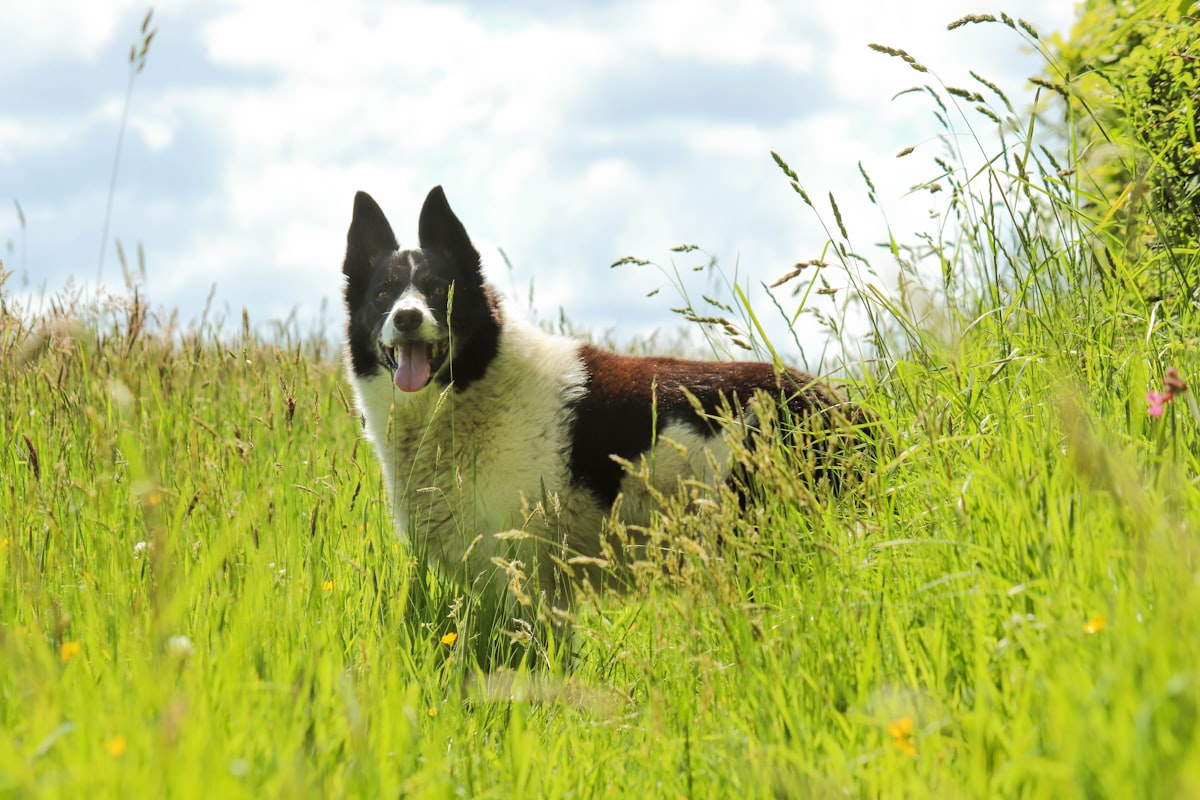
Celebrate Your New Golden Family Member
These first 30 days are a whirlwind of potty breaks, sleepless nights, puppy kisses, and that distinctive Golden puppy smell. You've welcomed a dog whose breed has been bringing joy to families for over 150 years—a living legacy of Lord Tweedmouth's vision on that Scottish estate.
Golden Retrievers give their whole hearts to their families. They'll greet you like you've been gone for years, comfort you on hard days, and make every walk feel like an adventure. That fluffy puppy with the oversized paws will grow into one of the most loyal, loving companions you'll ever know.
Many Golden Retriever owners find this a meaningful time to capture: the puppy fluff that won't last, those clumsy paws, the mischievous sparkle in their eyes. A custom portrait freezes this moment forever—something you'll treasure when that little furball becomes a majestic, golden adult.
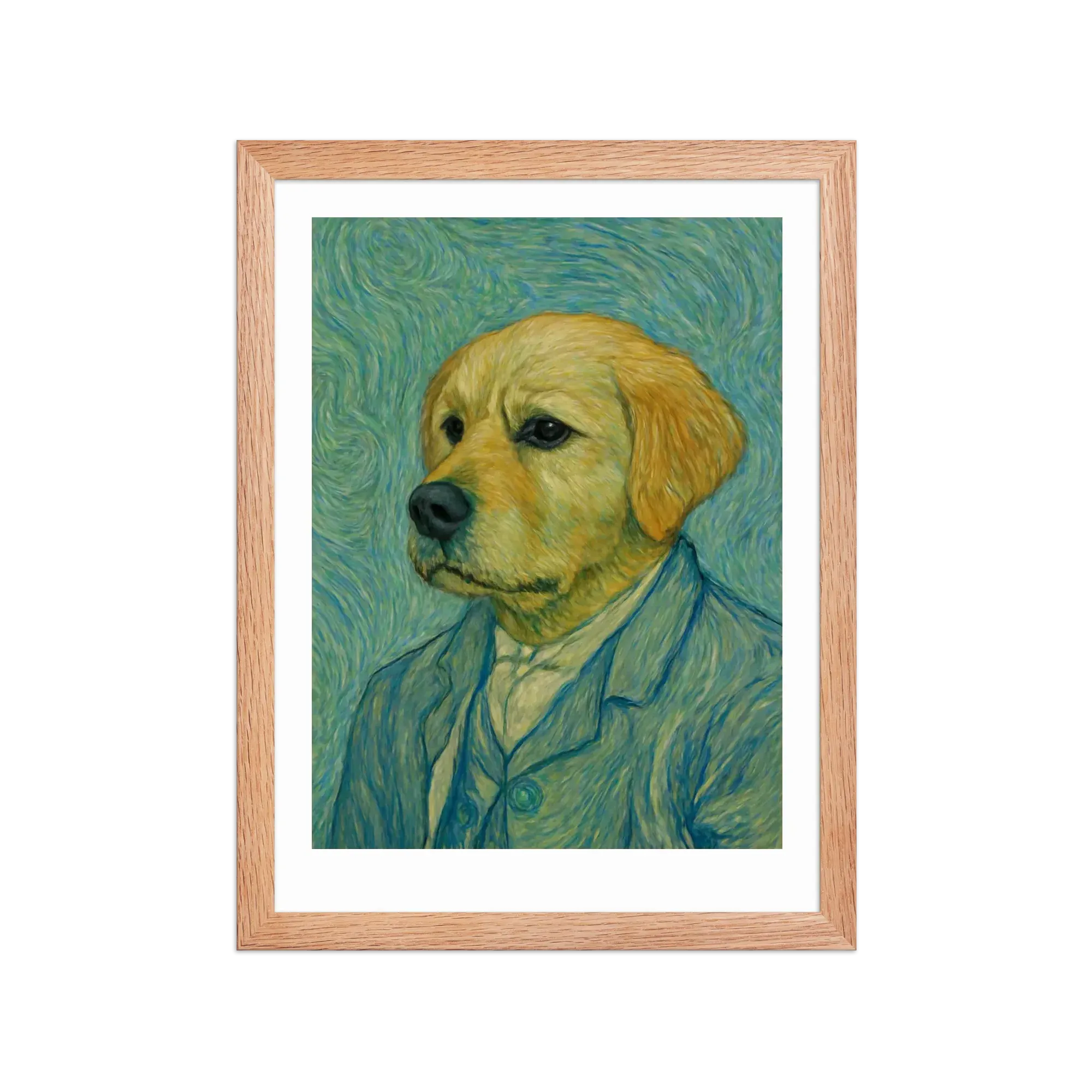
Ready to commemorate your Golden Retriever's puppy days? Create a custom pet portrait in minutes—from Renaissance royalty to modern pop art. Or browse our Golden Retriever portrait gallery for inspiration. Because every Golden deserves to be immortalized as the masterpiece they are.