
German Shepherd First 30 Days: Complete New Owner Guide (2026)
Bringing home a German Shepherd puppy? This comprehensive guide covers everything from Day 1 preparation to Week 4 milestones, with breed-specific tips for training, health, and building an unbreakable bond.
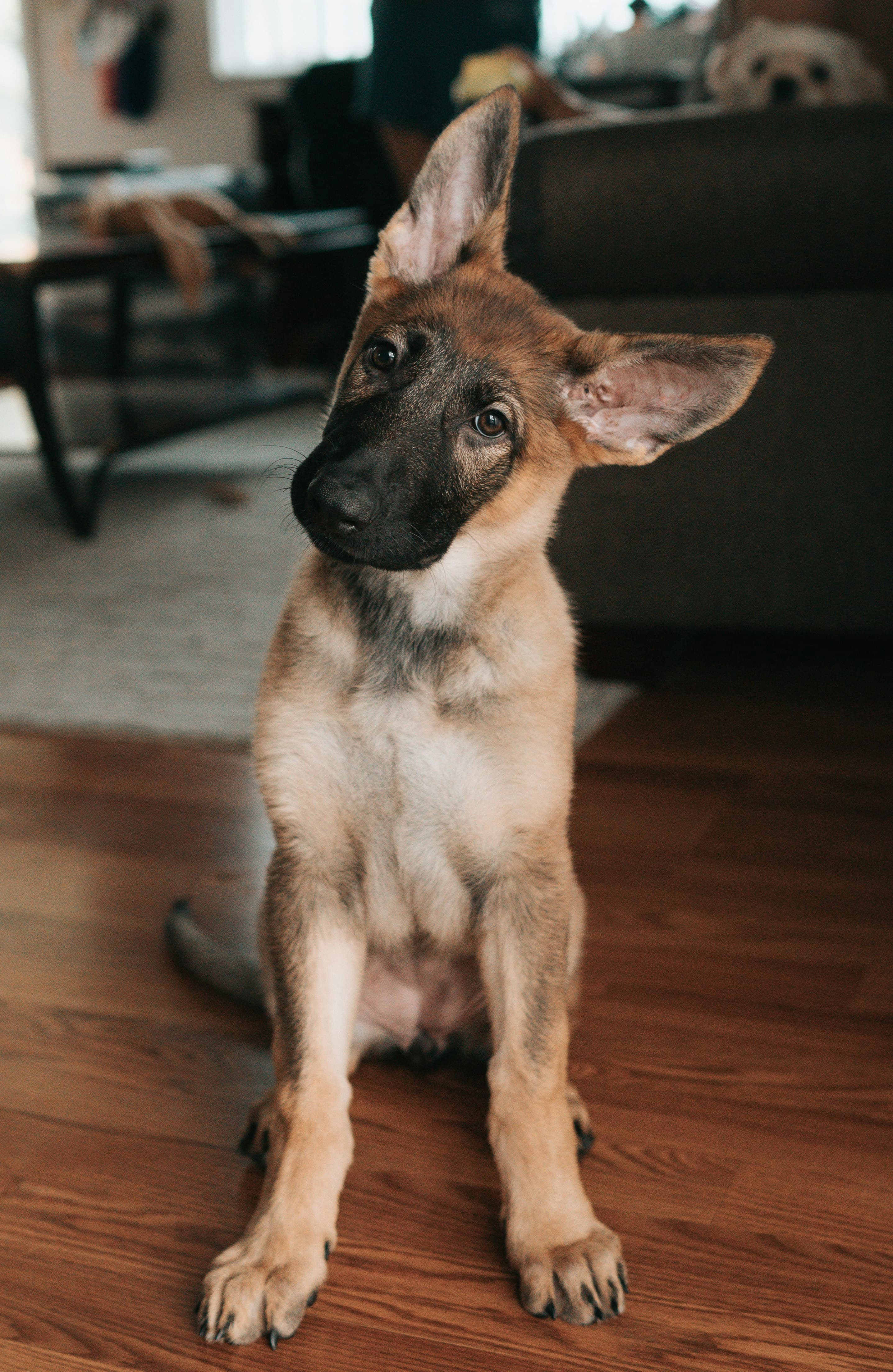
In 1899, Captain Max von Stephanitz spotted a wolf-like dog at a German dog show and declared: "This is the perfect working dog." He purchased the dog on the spot and founded the German Shepherd breed. Over 125 years later, German Shepherds remain the world's most versatile working breed—and one of the most rewarding (and challenging) dogs to raise.
Here's the truth most puppy guides won't tell you: German Shepherds aren't just "big dogs." They're exceptionally intelligent, fiercely loyal, and bred for serious work. They'll outsmart a first-time owner, develop anxiety without proper structure, and turn your furniture into confetti if they're bored. But raise them right during these critical first 30 days, and you'll have a companion whose devotion is legendary.
This guide covers everything you need to know—from puppy-proofing for a large breed to preventing hip dysplasia, managing the infamous "German Shedder" coat, and channeling that brilliant brain into productive training.
Bringing home a new family member? Many owners commemorate this special time with a custom pet portrait—a beautiful way to capture your puppy's first weeks. Or explore our German Shepherd portrait collection for style inspiration.
Before Day 1: The German Shepherd Preparation Checklist
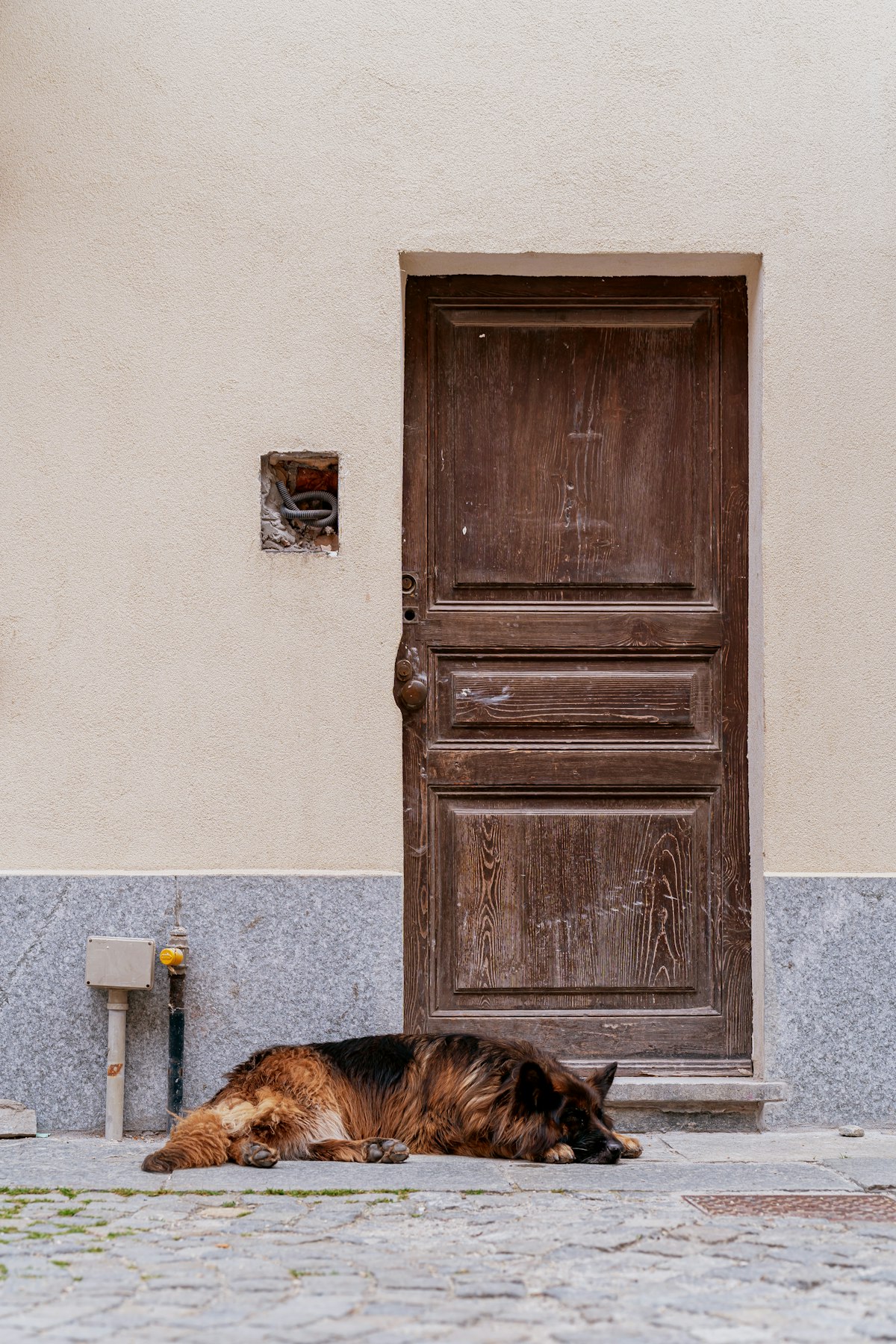
German Shepherd puppies are typically ready to come home at 8-10 weeks old. By this age, they've learned critical social skills from their littermates and mother. But they're still tiny—even though they won't stay that way for long. A 10-pound puppy will become a 65-90 pound dog within 18 months.
Essential Supplies for Your GSD Puppy
Crate (Size matters!): Get a crate sized for an adult German Shepherd (42" or 48" length) with a divider. GSDs grow fast—you'll adjust the divider weekly at first. The crate should be large enough to stand, turn around, and lie down, but not so large they can use one end as a bathroom.
Food and water bowls: Stainless steel is best—German Shepherds are notorious chewers, and plastic bowls harbor bacteria. Consider an elevated feeder for adults (helps digestion), but for puppies, floor-level is fine.
High-quality large-breed puppy food: This is crucial. According to the AKC, large-breed puppy formulas contain controlled calcium and phosphorus levels that prevent excessive growth—a key factor in hip dysplasia prevention. Brands like Royal Canin German Shepherd Puppy, Orijen Large Breed Puppy, and Purina Pro Plan Large Breed are veterinarian-recommended.
Collar, ID tags, and leash: Start with an adjustable collar (you'll go through 3-4 sizes in the first year). A 6-foot leash is standard for training. Skip retractable leashes—they teach bad leash habits.
Grooming supplies: Get ready now. As the AKC grooming guide warns, German Shepherds have a dense double coat that sheds year-round with "coat blow" twice yearly. You'll need: a slicker brush, an undercoat rake or Furminator, and a good vacuum.
Safe chew toys: Kong toys (stuff with peanut butter and freeze), Nylabones, and rope toys. Avoid bully sticks and rawhide for young puppies—they're too rich for developing digestive systems.
Enzymatic cleaner: Accidents will happen. Nature's Miracle or Rocco & Roxie neutralize odors that attract repeat marking.
Puppy-Proofing for a Large, Intelligent Breed
German Shepherds are problem-solvers. They'll learn to open cabinet doors, pull down anything within reach, and find every electrical cord in the house. Beyond standard puppy-proofing:
- Install child locks on lower cabinets (especially those with cleaning supplies)
- Secure trash cans with locking lids
- Remove all plants to unreachable heights—many common houseplants are toxic
- Cover or hide electrical cords with cord protectors
- Gate off stairs (GSDs shouldn't use stairs extensively until 12+ months to protect developing joints)
- Check fence integrity if you have a yard—they can jump surprisingly high
Day 1: Bringing Your German Shepherd Puppy Home
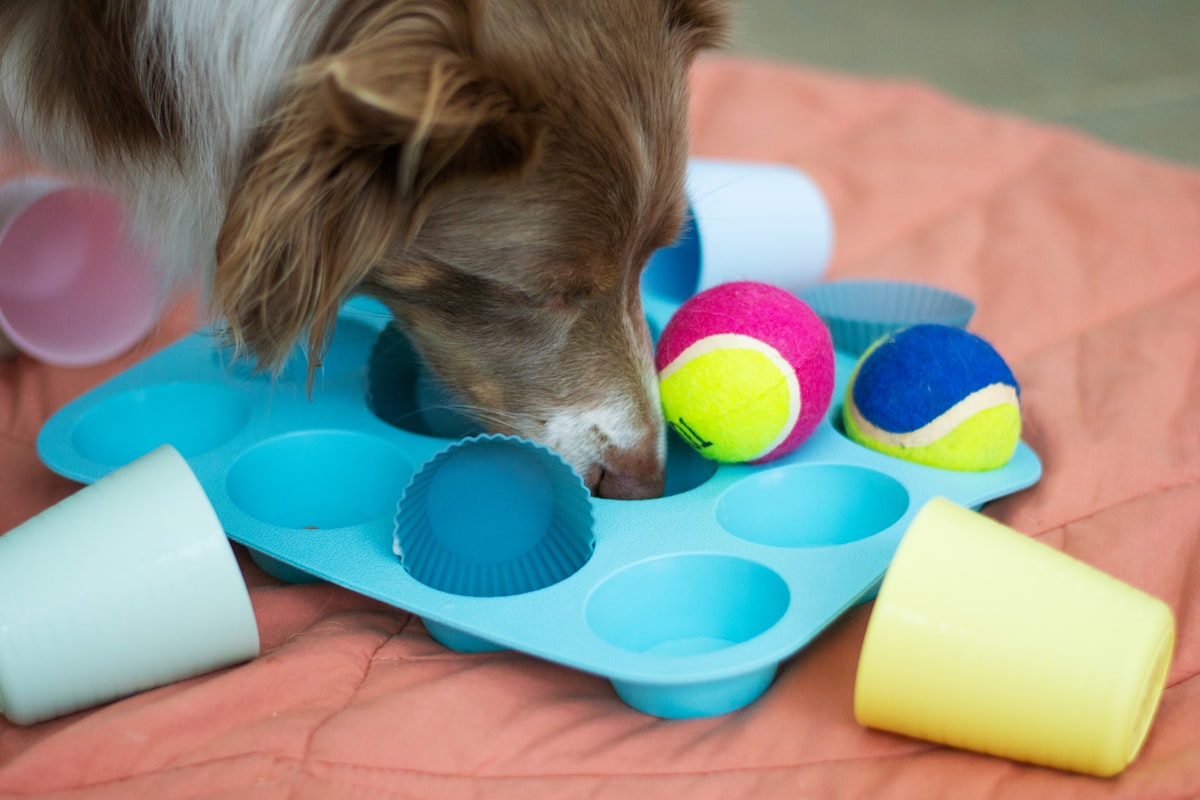
The first day sets the tone for everything that follows. Your puppy just left their mother and littermates—the only family they've ever known. They're overwhelmed, possibly carsick, and definitely confused.
The Car Ride Home
Bring a crate or carrier for the car. Have someone sit with the puppy if possible. Bring paper towels and plastic bags—motion sickness is common. Skip the toys and treats for now; many puppies are too stressed to care.
The First Few Hours
Keep it calm. Resist the urge to invite everyone over to meet the new puppy. German Shepherd puppies need time to decompress. Here's your first-day routine:
- Potty break immediately: Carry the puppy from the car to a designated potty spot. Wait quietly until they go, then praise calmly. This establishes the routine from minute one.
- Introduce the crate: Place the crate in a common area (not isolated). Leave the door open. Toss treats inside. Let the puppy explore at their own pace.
- Offer water, then food: After they've settled for 30 minutes, offer water. Wait another hour before offering a small meal. Stress can cause digestive upset, so less is more on Day 1.
- Start the bedtime routine: German Shepherds thrive on routine. From Night 1, establish a consistent bedtime with a final potty break, then crate time.
The First Night
Expect crying. This is normal—your puppy is lonely and scared. Some trainers recommend placing the crate next to your bed so the puppy can smell and hear you. Over the following week, gradually move the crate to its permanent location.
Don't give in to crying by letting the puppy into your bed (unless you want an 80-pound dog sharing your pillow forever). However, do take puppies out for potty breaks every 3-4 hours—their bladders are tiny.
Week 1: The Adjustment Period (Days 1-7)
Week 1 is about survival, not training. Your goals are simple: establish routine, begin house training, and let your puppy decompress.
House Training Foundation
German Shepherds are generally easy to house train due to their intelligence, but they need consistency. Follow the "every hour" rule: take the puppy outside after waking, after eating, after playing, and at least once per hour otherwise.
Signs your puppy needs to go: circling, sniffing the ground, whining, heading toward the door, suddenly stopping play.
When accidents happen (and they will): clean up without drama. Never punish a puppy for indoor accidents—they don't understand, and it creates fear. Simply clean with enzymatic cleaner and commit to more frequent potty breaks.
Feeding Schedule
At 8-12 weeks, feed three meals per day. Measure portions according to your food's guidelines for the puppy's expected adult weight, not current weight. Overfeeding is a serious concern with German Shepherds—rapid growth increases hip and elbow dysplasia risk.
A typical schedule:
- 7:00 AM — Breakfast
- 12:00 PM — Lunch
- 5:00 PM — Dinner
- (Remove water 2 hours before bedtime to reduce overnight accidents)
Managing Separation Anxiety
German Shepherds bond intensely and quickly. This loyalty is their greatest trait—and the source of separation anxiety if mismanaged. During Week 1:
- Practice short absences: Step out of sight for 10 seconds, then return calmly. Gradually increase duration.
- Don't make departures dramatic: Skip the long goodbye. Just leave.
- Reward calm behavior: Treat the puppy when they settle quietly in their crate or on their bed.
- Provide comfort items: A worn t-shirt with your scent, a snuggle toy, or a white noise machine can help.
According to experts at German Shepherd Shop, separation anxiety is normal at this age and resolves with consistent, patient training.
Week 2: Basic Training Begins (Days 8-14)
By Week 2, your puppy has had time to decompress. Now the real work begins. German Shepherds are born to train—they're one of the top 3 most intelligent dog breeds and want to work with you. But they also have strong opinions.
Training Philosophy for GSDs
German Shepherds respond best to:
- Positive reinforcement: Treats, praise, and play as rewards
- Consistency: Same commands, same rules, every time
- Short sessions: 5-10 minutes, 3-4 times daily (puppy attention spans are short)
- Mental engagement: They need to think, not just obey
Avoid: Harsh corrections, punishment-based methods, or alpha/dominance training. These approaches damage the trust bond with German Shepherds and can create fearful or aggressive adults.
Week 2 Commands
Sit: Hold a treat above the puppy's nose and move it back over their head. As they look up, their bottom naturally lowers. The moment it touches the ground, mark with "Yes!" and treat.
Name recognition: Say the puppy's name in an upbeat voice. When they look at you, mark and treat. Repeat dozens of times daily. Their name should mean "good things happen when I pay attention."
Come (recall): Start indoors with minimal distractions. Say the puppy's name, then "Come!" in an excited voice. When they move toward you, praise enthusiastically. This is the most important command you'll ever teach—it can save their life.
Leave it: Put a treat in your closed fist. When the puppy stops pawing/licking and looks at you, mark and treat from your other hand. This teaches impulse control.
Crate Training Progress
By Week 2, the crate should become a positive space. Feed meals inside the crate. Give Kong toys there. Practice closing the door for short periods while you're home. Never use the crate as punishment.
Managing the Puppy Biting Phase
German Shepherd puppies have needle-sharp teeth and use their mouths to explore everything—including your hands. This is normal but must be redirected:
- When the puppy bites, say "Ouch!" in a high-pitched voice and withdraw attention for 10 seconds
- Immediately redirect to an appropriate chew toy
- Ensure the puppy isn't overtired—most biting escalates when puppies need naps
- Never play rough games that encourage mouthing
Week 3: Critical Socialization (Days 15-21)
This is arguably the most important week of your German Shepherd's life. Puppies have a critical socialization window that starts closing around 12-16 weeks. Everything they experience positively during this period shapes their adult temperament.
German Shepherds are naturally protective and can become reactive or aggressive without proper socialization. According to the AKC, "The foundation for most training is confidence. Safely exposing the puppy to new sights, sounds, and smells is absolutely critical for development."
The Socialization Checklist
Aim to expose your puppy (positively!) to:
People of different types:
- Men with beards
- People wearing hats, sunglasses, uniforms
- Children of various ages
- People using wheelchairs, walkers, canes
- Delivery workers, postal carriers
Sounds:
- Vacuum cleaners, blenders, doorbells
- Thunder recordings, fireworks sounds (played quietly)
- Traffic, motorcycles, sirens
- Children playing, babies crying
Surfaces and environments:
- Grass, gravel, wood floors, metal grates
- Stairs (gentle introduction only—limit use for joint health)
- Car rides
- Pet-friendly stores
Other animals:
- Vaccinated, friendly dogs (avoid dog parks until fully vaccinated)
- Cats (if you have them or plan to)
The Rule of Seven
By the time your puppy is 12 weeks old, they should have met 7 new types of people, walked on 7 different surfaces, visited 7 new locations, and heard 7 new sounds. Quality matters more than quantity—each experience should be positive.
Signs of Overwhelm
Watch for stress signals:
- Whale eye (showing whites of eyes)
- Tucked tail
- Lip licking, yawning
- Trying to escape or hide
- Refusing treats (too stressed to eat)
If you see these signs, remove the puppy from the situation and try again later with more distance or lower intensity.
Week 4: Health Focus and Deepening the Bond (Days 22-30)
By Week 4, you've survived the hardest part. Your puppy knows their name, has started basic commands, and is (mostly) getting the hang of house training. Now it's time to focus on long-term health and strengthening your partnership.
The First Vet Visit
If you haven't already, schedule a comprehensive vet exam. Bring:
- Any vaccination records from the breeder
- A stool sample (for parasite testing)
- A list of questions
Discuss:
- Vaccination schedule (DHPP, rabies, Bordetella, etc.)
- Parasite prevention (heartworm, flea, tick)
- Spay/neuter timing (many vets recommend waiting until 12-18 months for German Shepherds to allow full skeletal development)
- Hip and elbow dysplasia screening options
German Shepherd Health Priorities
Hip Dysplasia Prevention: German Shepherds have a 20% incidence of hip dysplasia according to the Orthopedic Foundation for Animals. While genetics play a major role, environmental factors matter significantly. According to Ortho Dog:
- Keep the puppy lean—overweight puppies have higher dysplasia rates
- Feed large-breed puppy food with controlled calcium levels
- Limit high-impact exercise (no jogging, jumping from heights, or stair climbing) until 12-18 months
- Provide low-impact exercise like swimming and controlled walking
- Consider supplements like glucosamine (ask your vet)
Coat Care: Start grooming routines now, even if the puppy doesn't need it yet. The goal is creating positive associations before the adult coat comes in. Brush gently 2-3 times weekly. Make it a bonding activity with treats and praise.
Ear and Dental Care: German Shepherds have erect ears prone to debris. Check and clean weekly. Begin handling their mouth and touching their teeth—this makes future dental care much easier.
Mental Stimulation: The GSD Necessity
A bored German Shepherd is a destructive German Shepherd. By Week 4, introduce mental enrichment activities:
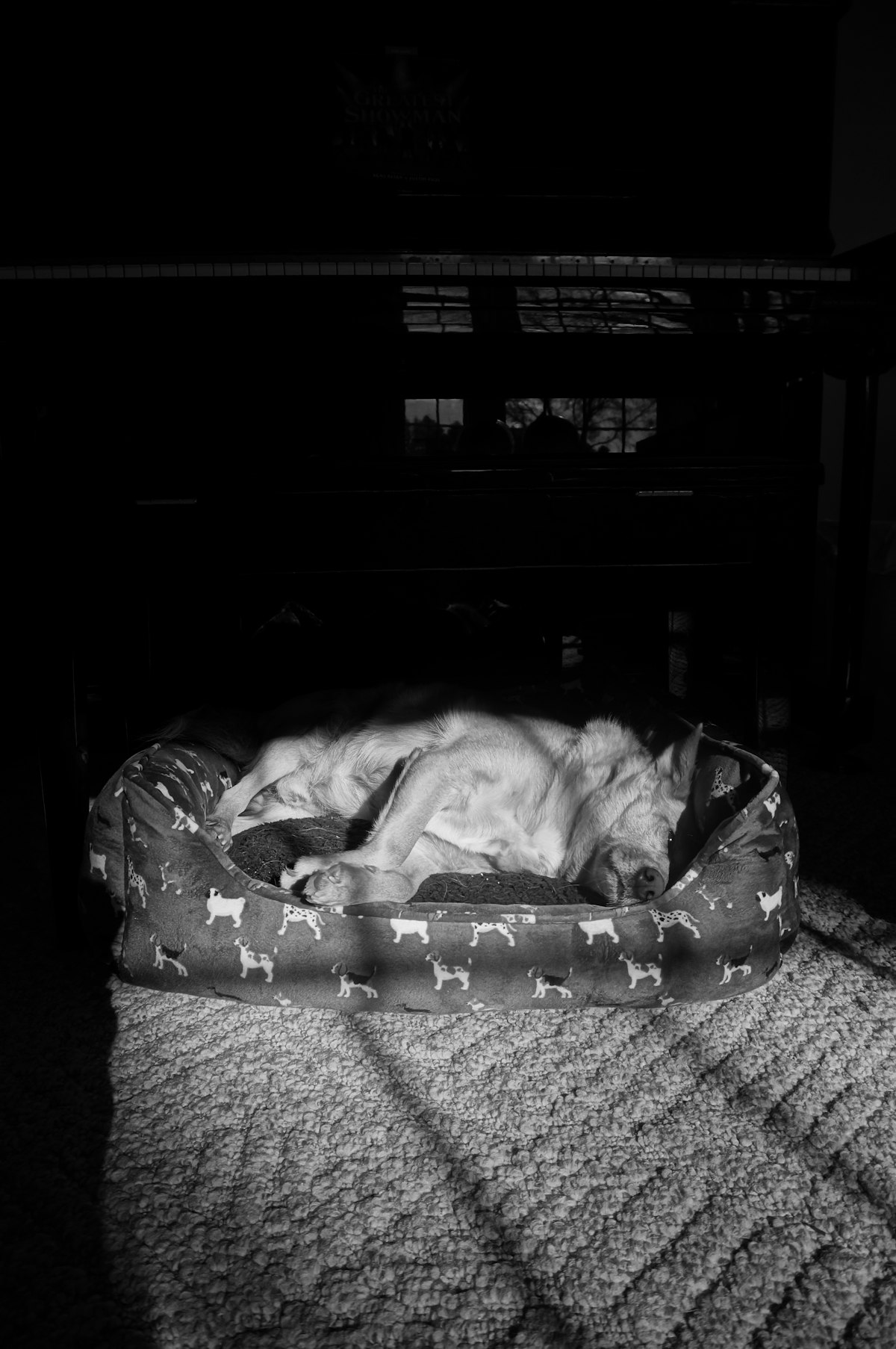
Puzzle toys: Kong Wobbler, Nina Ottosson puzzles, snuffle mats. Start easy and increase difficulty as the puppy learns.
Scent games: Hide treats around the house and encourage the puppy to find them. German Shepherds have 225 million scent receptors—let them use this superpower.
Training as enrichment: Learning new commands is mentally exhausting (in a good way). Ten minutes of training can tire a puppy more than 30 minutes of play.
According to experts at Barkercise, German Shepherds need at least 2 hours of combined physical and mental exercise daily. For puppies, focus more on mental work—physical exercise should be limited to protect growing joints.
Exercise Guidelines by Age
A common rule: 5 minutes of exercise per month of age, twice daily. So an 8-week-old puppy gets two 10-minute sessions; a 4-month-old gets two 20-minute sessions.
Safe puppy exercises:
- Short, controlled walks on soft surfaces
- Gentle play with appropriate-sized dogs
- Swimming (excellent low-impact exercise)
- Training sessions
- Puzzle toys
Avoid until 12-18 months:
- Jogging or running on hard surfaces
- Jumping on/off furniture or into cars
- Excessive stair climbing
- Rough play with much larger dogs
- Extended fetch sessions on hard ground
30-Day Milestone Table
Use this table to track your progress:
| Milestone | Target | Notes |
|---|---|---|
| Crate trained for naps/night | Day 7-10 | Should settle without excessive crying |
| House training 80% reliable | Day 21-30 | Accidents decrease to 1-2 per week |
| Responds to name | Day 10 | Looks at you when called |
| Knows "Sit" | Day 14 | Reliable with treat lure |
| Knows "Come" (inside) | Day 21 | Comes when called indoors |
| Socialized to 7+ new experiences | Day 21 | People, sounds, surfaces, locations |
| First vet visit complete | Day 7-14 | Vaccinations started, health baseline set |
| Accepts grooming | Day 30 | Tolerates brushing without fear |
| Walks on leash without pulling | Day 30 | Beginning loose-leash walking |
| Biting reduced | Day 30 | Redirects to toys, less mouthing |
Frequently Asked Questions
How much should my 8-week-old German Shepherd sleep?
Puppies need 18-20 hours of sleep daily. An overtired puppy becomes nippy, hyperactive, and difficult. If your puppy is being a "land shark," they probably need a nap. Enforce rest by placing them in their crate with a Kong toy.
When will my German Shepherd's ears stand up?
GSD ears typically begin standing between 8-20 weeks, with most fully erect by 5 months. Ears may go up and down during teething (4-6 months) as cartilage is redirected to tooth development. If ears aren't up by 7 months, consult your vet—though many dogs have permanently floppy ears with no health impact.
How do I stop my German Shepherd puppy from biting so hard?
GSD puppies are mouthy—it's bred into them. The key is consistent redirection: say "ouch" and withdraw attention, then immediately offer an appropriate chew toy. Ensure the puppy is getting enough sleep (tired puppies bite more) and mental stimulation (bored puppies bite more). This phase typically improves by 5-6 months as adult teeth come in.
Should I get pet insurance for my German Shepherd?
German Shepherds are prone to expensive health conditions: hip and elbow dysplasia, degenerative myelopathy, bloat (GDV), and allergies. Many owners find pet insurance provides peace of mind. If you choose to insure, do so before the puppy has any documented health issues—pre-existing conditions are typically excluded.
When can my German Shepherd puppy meet other dogs?
Your puppy can meet vaccinated, healthy dogs immediately—socialization is critical during the 8-16 week window. Avoid dog parks, pet stores, and public areas where unvaccinated dogs may have been until your puppy has completed their vaccination series (typically 16-18 weeks). Carry the puppy in public to expose them to sights and sounds safely.
Beyond 30 Days: What Comes Next
The first month is foundational, but German Shepherds aren't fully mature until 2-3 years old. Here's what to expect:
- Months 3-6: Teething peaks, training continues, teenage defiance begins
- Months 6-12: "Teenage" phase with boundary testing; stay consistent
- Months 12-24: Physical maturity approaches; can increase exercise intensity
- Years 2-3: Mental maturity; the dog you raised emerges
Consider enrolling in puppy kindergarten (once vaccinations allow) and progressing to formal obedience classes. German Shepherds excel in activities like:
- Obedience and rally
- Tracking and nose work
- Agility (after growth plates close)
- Schutzhund/IPO
- Therapy dog work
Celebrate Your New Family Member
These first 30 days are exhausting, joyful, and transformative. You've welcomed a puppy who will grow into one of the most loyal companions any person can have. German Shepherds give their whole hearts to their families—they'll protect your home, comfort you when you're sad, and be your shadow through every moment of life.
Many GSD owners find this a meaningful time to capture: the oversized paws, the floppy ears that haven't quite stood up yet, that intense puppy gaze. A custom portrait freezes this moment forever—something you'll treasure when that little furball becomes a majestic adult.
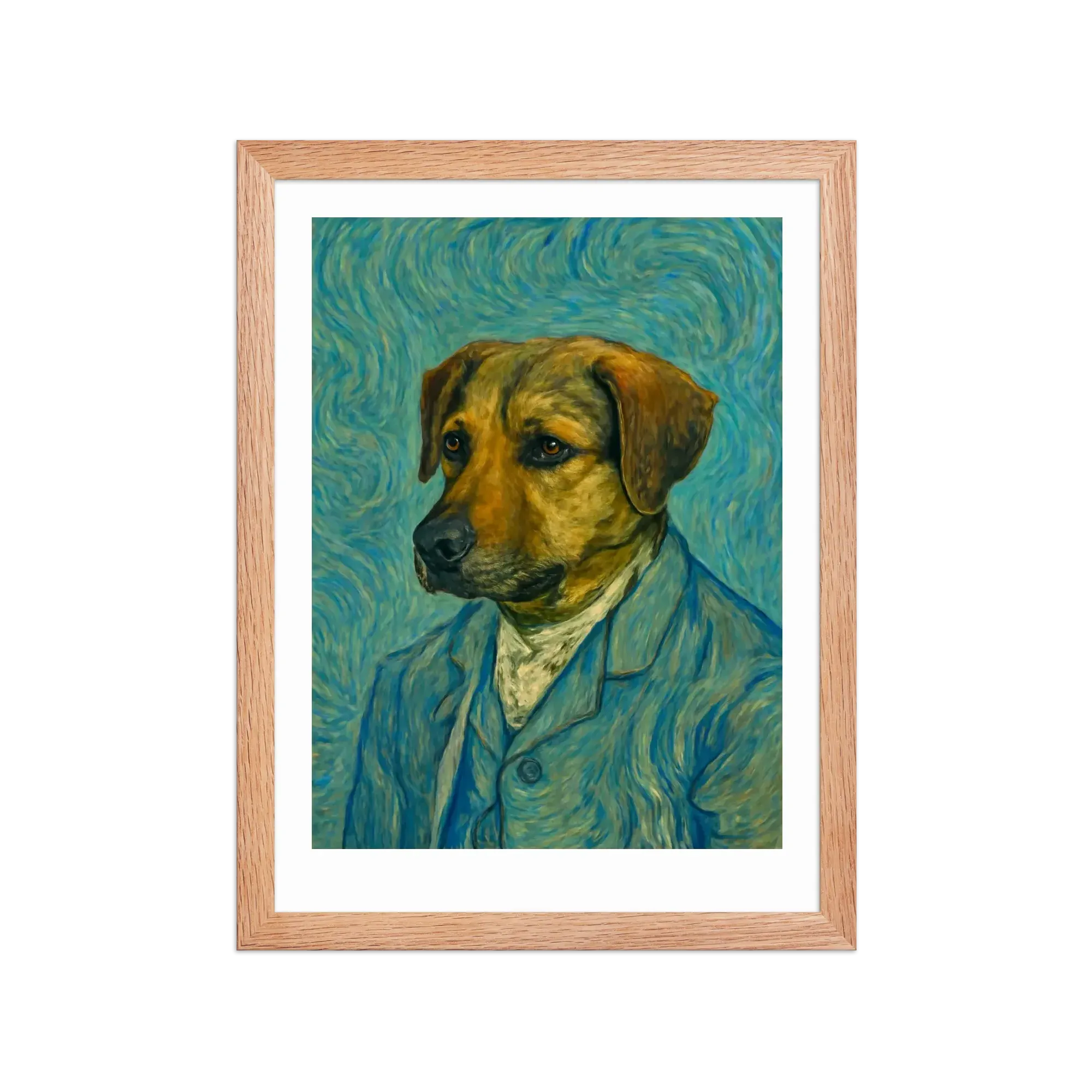
Ready to commemorate your German Shepherd's puppy days? Create a custom pet portrait in minutes—from Renaissance royalty to pop art prints. Or browse our German Shepherd portrait gallery for inspiration. Because every good dog deserves to be immortalized as the masterpiece they are.