Siberian Husky First 30 Days: Complete New Owner Guide (2026)
Bringing home a Siberian Husky puppy? This comprehensive guide covers everything from Day 1 preparation to Week 4 milestones, with breed-specific tips for managing their legendary energy and independent spirit.
In 1925, a team of Siberian Huskies ran 674 miles through an Alaskan blizzard to deliver life-saving diphtheria serum to Nome—a feat of endurance that made them legendary. That same incredible stamina, independence, and drive lives in the fluffy puppy you're about to bring home. And if you're not prepared, it will be directed at your furniture, your fence, and your sanity.
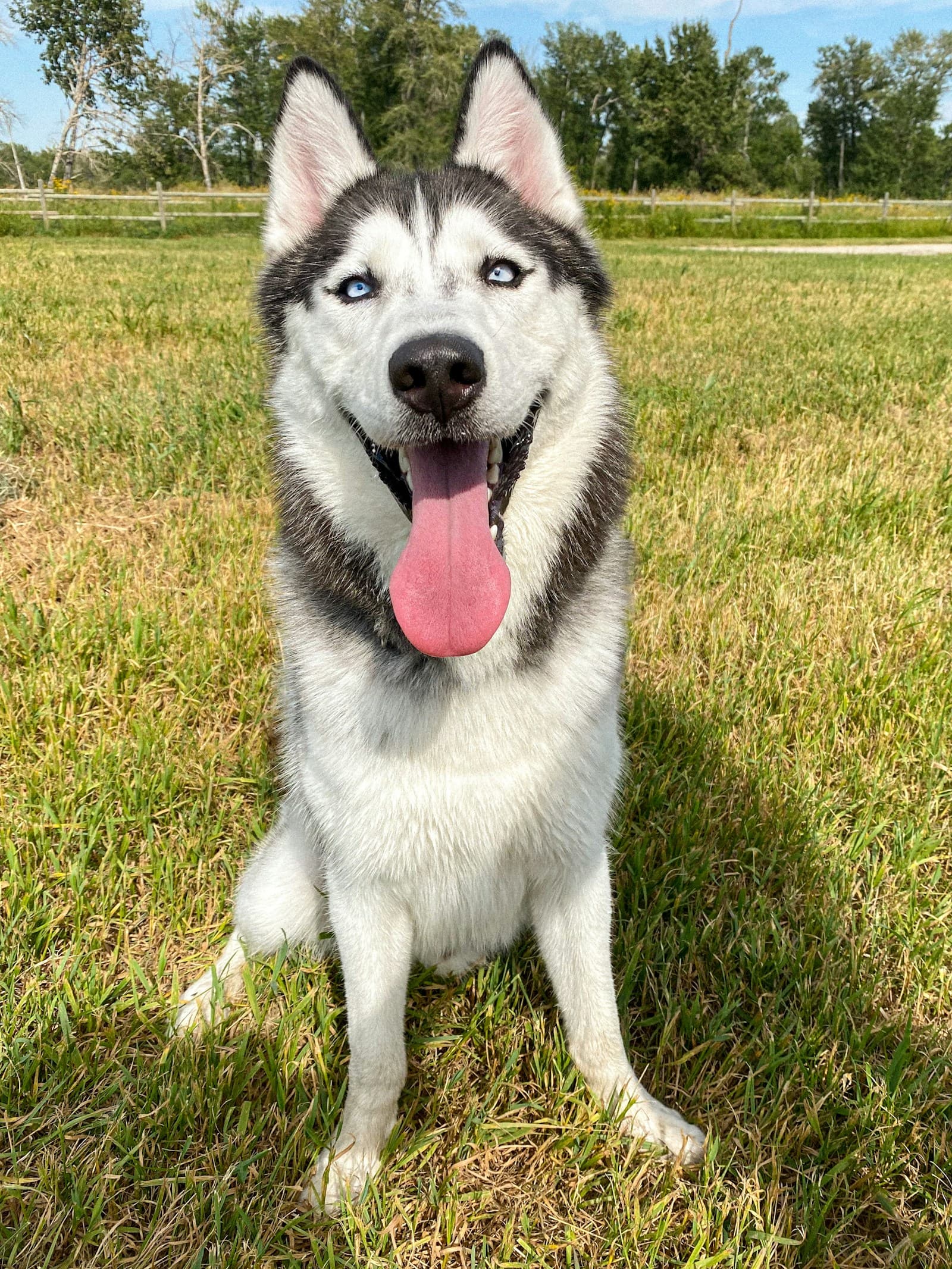
Here's what every Siberian Husky breeder wishes new owners understood: Huskies are not "just dogs with pretty eyes." They're working animals bred for extreme conditions, with energy levels that would exhaust a marathon runner and escape skills that would impress Houdini. But channel that drive correctly, and you'll have an adventure companion who'll run trails, pull sleds, and love you with fierce loyalty.
This guide covers everything you need for the first 30 days—from securing your yard like Fort Knox to managing the infamous Husky "talking," from exercise requirements to coat care during their spectacular shedding seasons.
Celebrating your new family member? Many Husky owners capture these early weeks with a custom pet portrait—those striking blue eyes and wolf-like features make stunning artwork. Browse our Siberian Husky portrait collection for inspiration.
Before Day 1: The Siberian Husky Preparation Checklist
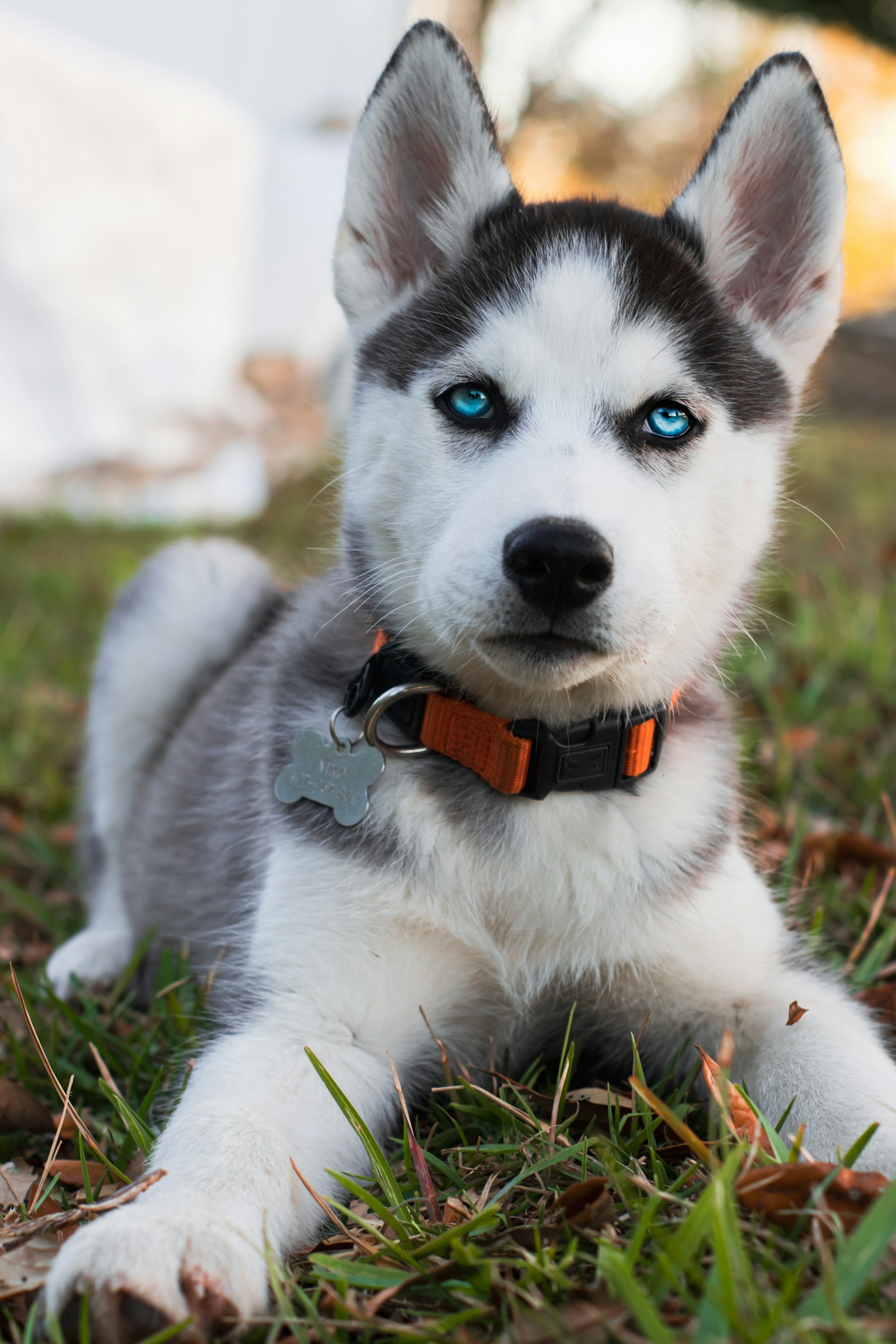
Siberian Husky puppies typically come home at 8-10 weeks. They're adorable fluffballs—and future escape artists who can jump 6-foot fences, dig under barriers, and squeeze through gaps you didn't know existed. Preparation is critical.
Essential Supplies for Your Husky Puppy
Heavy-duty crate (42-48" length): Get one designed for strong chewers with a divider panel. Huskies are den animals and generally crate-train well, but they'll test weak latches and plastic components.
Stainless steel bowls: Skip plastic—Huskies are notorious chewers and can destroy plastic bowls (and potentially ingest pieces). Weighted or non-tip bowls prevent spills during enthusiastic drinking.
High-quality large-breed puppy food: According to the AKC, Huskies are surprisingly efficient eaters—they need less food than you'd expect for their size. Choose a formula designed for active, large-breed puppies.
Secure collar with ID + microchip: Non-negotiable. Huskies are escape artists, and if they get out, they run. A collar can slip off; microchipping is essential backup. Register your contact information immediately.
Harness for walks: Huskies pull—it's in their DNA. A front-clip harness (like the Freedom No-Pull or Ruffwear Front Range) gives you more control while training loose-leash walking.
Long line (30-50 feet): Huskies should never be off-leash in unfenced areas. A long line gives them running room while maintaining your control. This is not optional—it's a safety requirement.
Grooming arsenal: Huskies have a thick double coat that sheds constantly (and explosively twice a year). You'll need: an undercoat rake, slicker brush, deshedding tool, and a good vacuum. Start grooming routines from Day 1.
Tough chew toys: Kongs, Nylabones, and toys rated for "aggressive chewers." Huskies can demolish lesser toys in minutes.
Escape-Proofing Your Property
This section could save your Husky's life. According to Shiba Shake, Huskies are legendary escape artists who can:
- Jump or climb 6-foot fences
- Dig under fences (sometimes 2+ feet deep)
- Squeeze through surprisingly small gaps
- Open gates and unlocked doors
- Chew through chicken wire and some fence materials
Before bringing your puppy home:
- Walk your entire fence line checking for gaps, weak spots, or dig-prone areas
- Add coyote rollers or fence extensions to prevent climbing
- Bury wire mesh or concrete along fence bases to prevent digging
- Install self-closing gates with locks
- Create a double-gate airlock system if possible
- Never leave a Husky in an unfenced yard unsupervised

Day 1: Bringing Your Husky Puppy Home
The first day sets the tone for your relationship. Your puppy just left their pack—their mother and littermates. They're overwhelmed and possibly anxious. Huskies are pack animals who bond deeply; this transition is significant.
The Car Ride Home
Bring a secure crate or carrier. Have someone sit near the puppy if possible. Bring paper towels, plastic bags, and water—Huskies can overheat even in moderate temperatures. If it's warm, run the AC before loading the puppy.
First Hours at Home
Keep it calm. Resist the urge to invite everyone to meet the new puppy. Huskies need time to explore and decompress. Here's your Day 1 routine:
- Immediate potty break: Carry the puppy to your designated potty spot. Wait for them to go, then praise calmly. Establish this location from minute one.
- Introduce the crate: Place it in a family area. Door open, treats inside. Let the puppy explore voluntarily—don't force them in.
- Short exploration period: Let them sniff one room at a time. Don't overwhelm with the entire house.
- Water and small meal: After 30-60 minutes, offer water. Wait another hour for a small meal. Stress can cause digestive upset.
- Establish bedtime routine: From Night 1, create a consistent routine: potty break, brief calm play, crate time with a Kong or chew.
The First Night
Huskies are vocal—you're going to learn this quickly. Expect crying, howling, and dramatic protests from the crate. This is normal pack behavior; they're calling for their family.
Some trainers recommend placing the crate in your bedroom so the puppy can smell and hear you. This often reduces anxiety. Over a week, gradually move the crate to its permanent location if desired.
Do take puppies out for potty breaks every 3-4 hours—their bladders are tiny. But don't give in to howling by releasing them from the crate; you'll teach them that noise gets results.
Week 1: Establishing the Pack (Days 1-7)
Week 1 is about building trust, establishing routine, and surviving. Your goals: house training foundation, crate acceptance, and beginning to channel that famous Husky energy.
House Training a Husky
Good news: Huskies are naturally clean and catch on to house training relatively quickly. Follow the "every hour" rule: outside after waking, eating, playing, and at least hourly otherwise.
Watch for signals: circling, sniffing, heading toward doors, or sudden stillness during play.
When accidents happen: Clean with enzymatic cleaner without drama. Never punish—Huskies will just learn to hide their accidents, not prevent them.
Feeding Your Husky Puppy
Interestingly, Huskies are efficient eaters. The VCA Hospitals notes they were bred to run long distances on minimal food. Don't overfeed—obesity stresses joints and causes health issues.
At 8-12 weeks, feed three meals per day. Follow food packaging guidelines for expected adult weight (35-60 lbs), not current weight.
Typical schedule:
- 7:00 AM — Breakfast
- 12:00 PM — Lunch
- 5:00 PM — Dinner
- Remove water 2 hours before bed to reduce overnight accidents
Managing Puppy Energy
Here's where Husky ownership diverges from other breeds: these puppies have energy levels that seem supernatural. An under-exercised Husky puppy is a destructive puppy.
At 8-12 weeks, you can't take long walks (joints are developing), but you can:
- Play short fetch sessions (5-10 minutes)
- Let them explore the yard (supervised)
- Provide puzzle feeders and snuffle mats
- Play tug-of-war (good for teething, too)
- Train in 5-minute sessions—mental work tires puppies faster than physical
The general rule: 5 minutes of structured exercise per month of age, twice daily. So an 8-week puppy gets 10 minutes, twice daily.
Week 2: Training the Independent Mind (Days 8-14)
Here's the truth about training Huskies: they're incredibly intelligent—and they know it. Unlike breeds that live to please their owners, Huskies constantly ask, "What's in it for me?"
This isn't stubbornness; it's independent thinking. They were bred to make decisions while running—to avoid thin ice, to find the trail. That intelligence makes them challenging to train but also endlessly fascinating.
Training Philosophy for Huskies
Positive reinforcement is non-negotiable. Harsh corrections or dominance-based training backfires spectacularly with Huskies—they'll become distrustful and even more uncooperative.
Keys to Husky training:
- High-value treats: Kibble often won't cut it. Use real meat, cheese, or commercial training treats.
- Short sessions: 5-10 minutes maximum. Huskies get bored quickly.
- Variety: Mix up training to keep them engaged.
- Patience: They understand what you want. Sometimes they just don't feel like it. Stay calm and consistent.
Week 2 Commands
Name recognition: Say their name; when they look at you, mark with "Yes!" and treat immediately. Repeat dozens of times daily.
Sit: Lure with a treat over their head until their bottom touches down. Mark and reward. Huskies generally learn this quickly.
Come (recall): The most important—and most challenging—command. Start in low-distraction environments. Never call them for something unpleasant. Make coming to you the best thing that ever happens.
Note: Huskies may never have reliable off-leash recall. Their prey drive and wanderlust are too strong. Train recall for emergencies and contained spaces, but don't expect perfection.
Crate Training Progress
By Week 2, the crate should feel like a safe den. Feed meals inside. Give Kongs there. Practice closing the door for short periods while home. Most Huskies adapt well to crate training—they're den animals by nature.
Managing the Howling
Huskies are vocal. They howl, they "talk," they make sounds you've never heard from a dog. This is breed-typical behavior, not a problem to eliminate—but it needs management:
- Don't reward howling with attention (positive or negative)
- Teach "quiet" by waiting for silence, then treating
- Address underlying needs—often they're bored, need exercise, or are seeking interaction
- Warn your neighbors now
Week 3: Socialization and World Exposure (Days 15-21)
Week 3 falls within the critical socialization window (8-16 weeks). Everything your Husky experiences positively now shapes their adult temperament. Under-socialized Huskies can become fearful or reactive.
The Socialization Checklist
People of all types:
- Men, women, children of various ages
- People in uniforms, hats, sunglasses
- People using mobility devices
- Delivery drivers, postal workers
Sounds:
- Vacuum cleaners, blenders, doorbells
- Thunder, fireworks (recordings, played quietly)
- Traffic noises, sirens
- Other dogs barking
Environments and surfaces:
- Grass, gravel, wood, metal grates
- Car rides (build positive association)
- Pet-friendly stores
- Different flooring types in homes
Other animals:
- Vaccinated, friendly dogs (puppy classes are ideal)
- Cats (with extreme caution—Huskies have high prey drive)
- Farm animals from a distance if available
Important: Keep encounters positive. If your puppy shows fear, don't force interaction. Create distance and try again later with more treats and slower introduction.
Prey Drive Management
This is critical: Huskies have extremely high prey drive. Small animals—cats, rabbits, squirrels, even small dogs—can trigger chase instincts that are very difficult to override.
During socialization:
- Always keep your puppy on leash around small animals
- Reward heavily for ignoring small animals
- Practice "leave it" religiously
- If you have cats, supervise every single interaction. Some Huskies can learn to live with household cats; many cannot.
Week 4: Building Habits That Last (Days 22-30)
By Week 4, you should see personality emerging. Your Husky is learning the household rules (even if they don't always follow them). Now you're building habits for life.
Exercise Progression
Your 12-week-old puppy can now handle slightly more activity. Continue with the 5-minutes-per-month-of-age rule (now 15 minutes, twice daily). Add:
- Short walks in safe areas (avoid high-traffic dog parks until fully vaccinated)
- Flirt pole play (great for prey drive outlet)
- Swimming introduction if available (many Huskies love water)
- Mental challenges: new puzzle toys, training new tricks
Watch for overexertion signs: excessive panting, lagging behind, lying down during walks. Puppies don't know their limits.
Coat Care Foundation
Huskies shed. A lot. Constantly. And twice a year, they "blow coat"—releasing the entire undercoat in a spectacular fursplosion.
Start grooming routines now:
- Brush 3-4 times weekly with an undercoat rake
- Make grooming positive with treats
- Check ears weekly (fold back to look inside)
- Handle paws daily (they often resist foot handling)
- Never shave a Husky—their double coat regulates temperature in both heat and cold
Preventing Separation Anxiety
Huskies are pack animals who bond intensely. Separation anxiety is common. Prevent it:
- Practice short absences daily—leave and return calmly
- Don't make departures or arrivals dramatic
- Give a frozen Kong when you leave
- Consider crate training as a safe space
- Some Huskies do better with another dog—but get through puppyhood first
Your 30-Day Husky Milestone Timeline
| Day | Milestone | Notes |
|---|---|---|
| 1 | Bring puppy home | Keep calm, establish crate |
| 2-3 | Establish feeding/potty routine | Every hour outside |
| 4-7 | Crate adjustment | Short periods, positive association |
| 7 | First vet visit | Health check, vaccine schedule |
| 8-10 | Name recognition solid | Looks at you when called |
| 11-14 | Basic sit and come started | High-value treats essential |
| 15-21 | Socialization intensive | New experiences daily |
| 22-25 | Grooming routine established | Brushing, paw handling |
| 26-28 | Exercise increasing | 15 minutes twice daily |
| 29-30 | Assess progress | Note areas needing work |
Frequently Asked Questions
Can Siberian Huskies live in warm climates?
Yes, but with precautions. Their double coat actually helps regulate temperature (never shave it). Provide AC during hot months, walk during cool morning/evening hours, always have fresh water available, and watch for overheating signs. Many Huskies live happily in warm climates with proper management.
How much exercise does a Husky puppy need?
Use the 5-minutes-per-month-of-age rule (twice daily) for structured exercise. So an 8-week puppy gets about 10 minutes of walks/play, twice daily. Under-exercising leads to destruction; over-exercising damages developing joints. Add mental stimulation (training, puzzles) to tire them out safely.
Will my Husky ever be reliable off-leash?
Honestly? Probably not. Huskies were bred to run, and their prey drive and wanderlust are extremely strong. Even well-trained Huskies can bolt if something triggers their chase instinct. Train recall for emergencies, but plan to use a long line or secure fenced areas for off-leash time.
Why does my Husky howl so much?
Huskies are a primitive breed closely related to wolves—howling is hardwired. They howl to communicate, when bored, when they hear sirens, or just because. You can train "quiet" but won't eliminate vocalization entirely. It's part of the Husky package.
Can Huskies live with cats?
Some can; many cannot. Huskies have extremely high prey drive. If you have cats, supervise every interaction permanently—even "trained" Huskies have been known to chase cats after years of coexistence. Many Husky rescues specifically won't place dogs in homes with cats.
Celebrate Your Adventure Companion
These first 30 days are just the beginning of an incredible journey. Siberian Huskies are challenging—there's no sugar-coating it. They require more exercise, more supervision, and more patience than most breeds. But for the right owner, they're incomparable.
Your Husky will take you on adventures, make you laugh with their dramatic personalities, and fill your home with conversation (literal howling conversation). They'll test your fences, your training skills, and sometimes your sanity. And they'll give you the kind of loyal, spirited companionship that only a Husky can.
Those striking blue eyes, that wolf-like face, that mischievous personality—this is a puppy worth commemorating. A custom portrait captures your Husky's unique spirit forever.
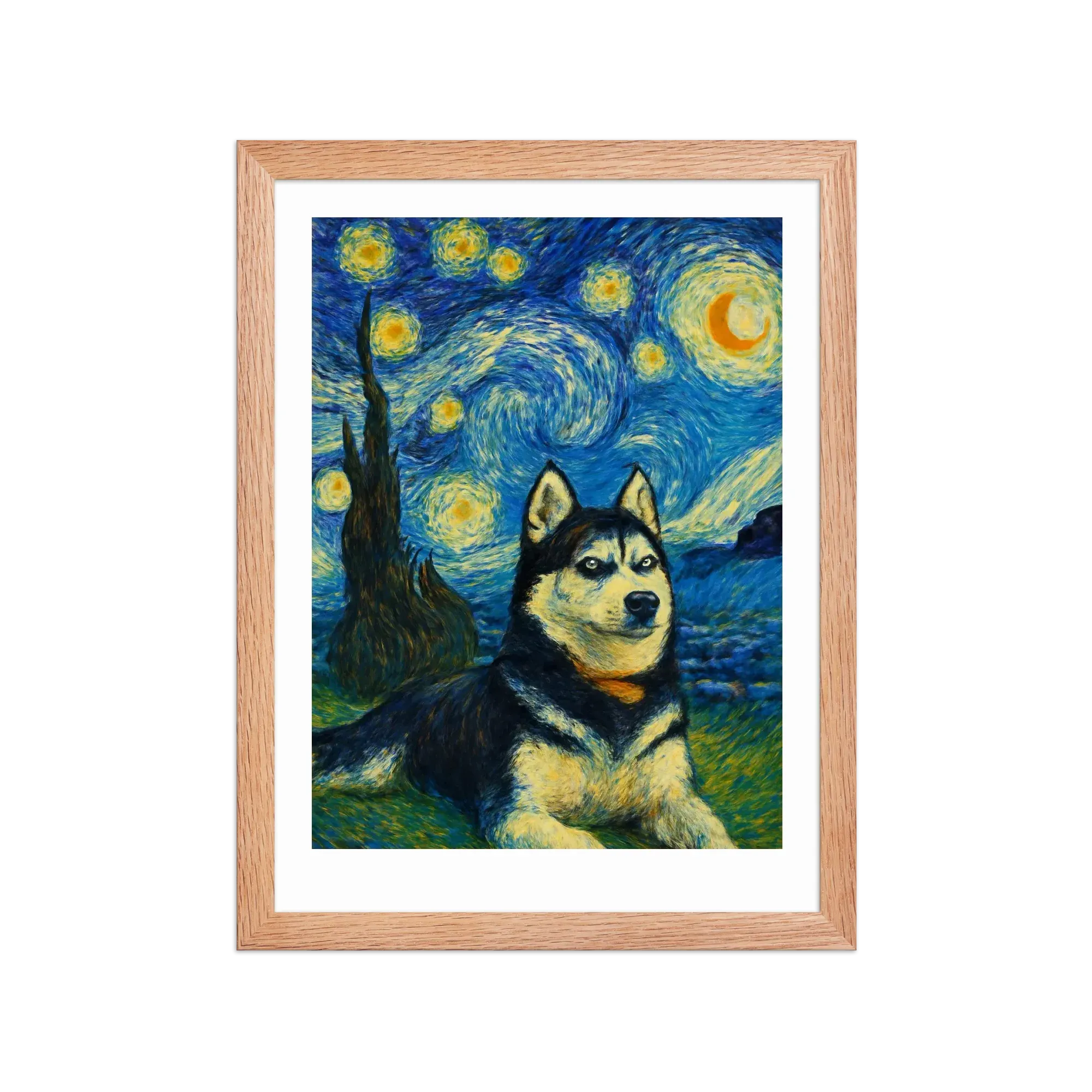
Ready to immortalize your Husky's wild beauty? Create a custom pet portrait in minutes—from wilderness adventures to pop art masterpieces. Or browse our Siberian Husky portrait gallery for inspiration. Because your adventure companion deserves to be celebrated.