Siamese Kitten First 30 Days: Complete New Owner Guide (2026)
Bringing home a Siamese kitten? This comprehensive guide covers everything from Day 1 preparation to Week 4 milestones, with breed-specific tips for the talkative, devoted, and endlessly entertaining Siamese.

If cats could hold TED talks, Siamese would headline every conference. They're the most vocal cats on the planet—not just meowing, but holding entire conversations with their distinctive low-pitched, raspy voices. They'll tell you about their day, comment on yours, and complain loudly if you're not paying sufficient attention.
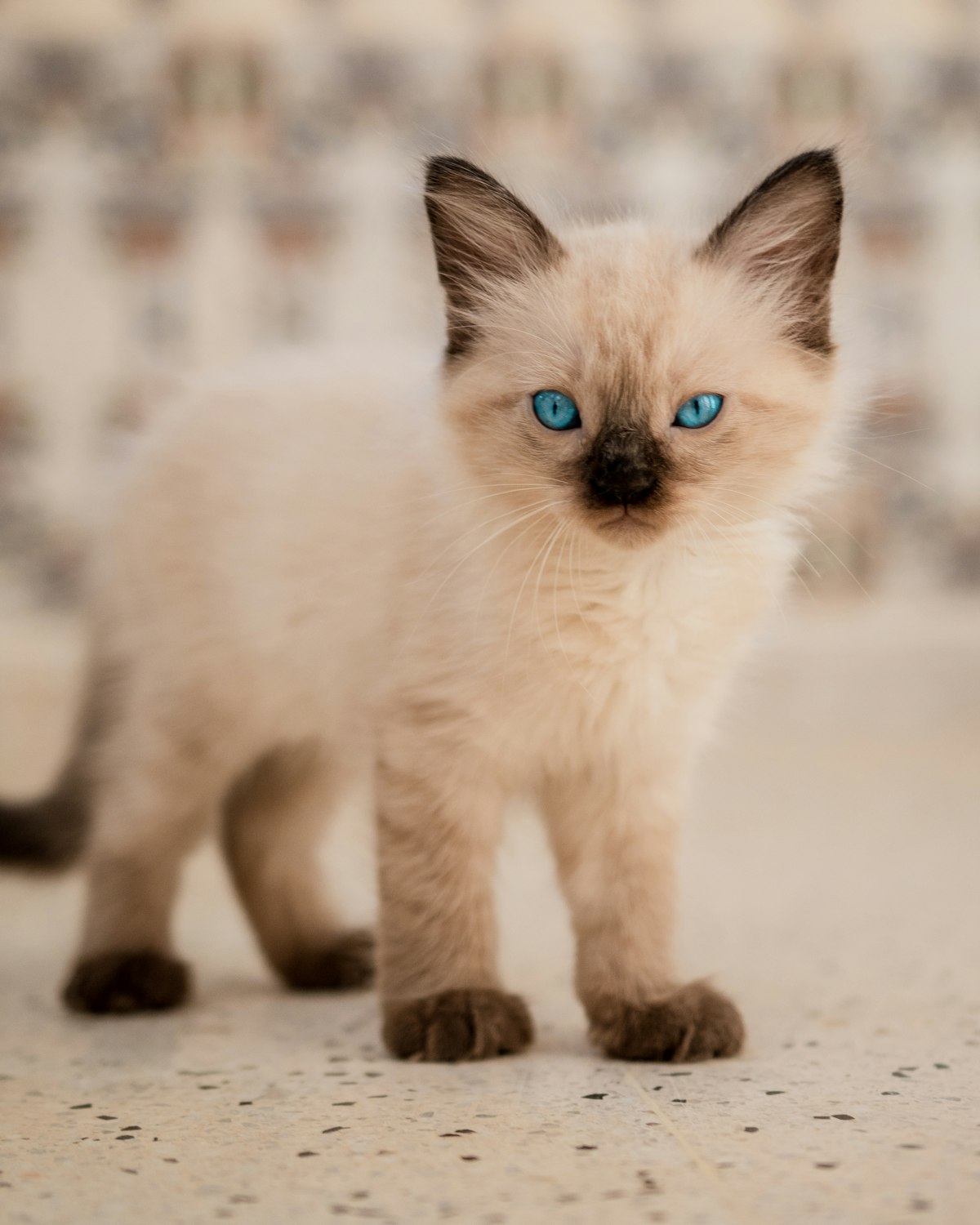
Siamese are one of the oldest recognized cat breeds, originating in Thailand (formerly Siam) and treasured by royalty for centuries. Their striking appearance—sleek bodies, vivid blue eyes, and distinctive colorpoint patterns—is matched only by their striking personalities.
But that intensity cuts both ways. Siamese bond deeply, sometimes obsessively, with their people. They're prone to separation anxiety, demand engagement, and become destructive if bored. This guide covers everything you need for your Siamese's first 30 days—from managing their vocal nature to meeting their exceptional social needs.
Celebrating your new conversationalist? Many Siamese owners capture those striking blue eyes with a custom pet portrait. Browse our Siamese portrait gallery for inspiration.
Before Day 1: The Siamese Preparation Checklist
Siamese kittens typically come home at 12-16 weeks. They're already vocal, curious, and demanding attention. Your kitten may have lighter coloring than you expect—Siamese colorpoints darken with age.
Essential Supplies for Your Siamese Kitten
Multiple scratching options: Siamese are active and need outlets. Provide vertical posts, horizontal scratchers, and scratching trees.
High-quality kitten food: Siamese are typically lean and athletic. According to the CFA, they have high metabolisms and may need more food than you'd expect for their size. Choose a premium kitten formula.
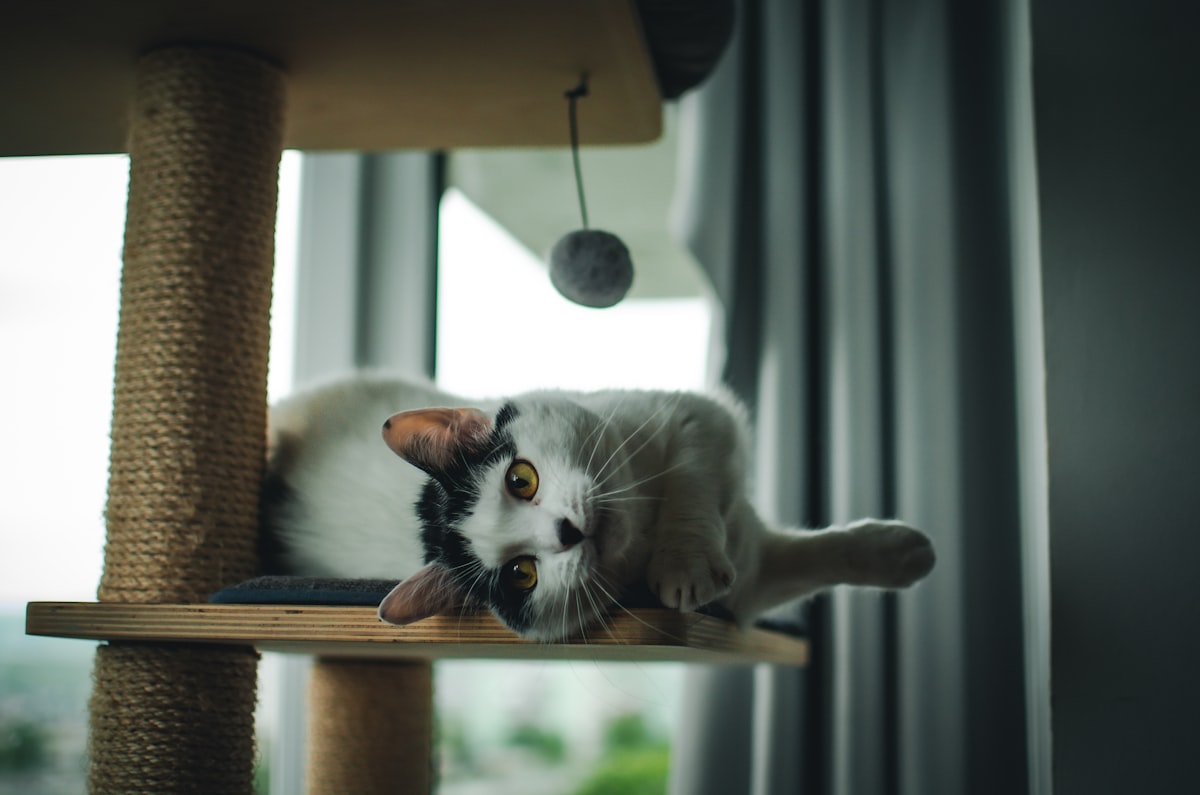
Tall cat trees: Siamese love to climb and survey their domain from height. Invest in sturdy, tall structures.
Interactive toys: Essential. Puzzle feeders, wand toys, laser pointers, fetch toys. Siamese need mental stimulation constantly.
Cozy beds: Siamese seek warmth (they originated in tropical Thailand). Provide warm sleeping spots.
Water fountain: Encourages hydration; many Siamese are fascinated by running water.
Second cat consideration: Siamese are highly social. If you work long hours, seriously consider adopting two kittens or having another pet companion. A lonely Siamese is an unhappy (and destructive) Siamese.
Preparing for the Vocal Reality
Siamese are loud. Before bringing one home, consider:
- Apartment living? Check noise policies and neighbor tolerance
- Work-from-home calls? You may have a vocal participant
- Sleep light? Siamese may vocalize at night, especially initially
- This is not a "trainable" behavior—it's fundamental to the breed
Day 1: Bringing Your Siamese Kitten Home
Siamese adapt quickly because they're curious and people-oriented. But they'll also express every emotion vocally. Prepare for noise.
The Car Ride Home
Expect conversation. Your Siamese kitten will likely vocalize throughout the ride. This is normal—they're commenting on the experience. Use a secure carrier, talk to them soothingly, and don't let them roam free.
First Hours at Home
- Start with one room: Set up a base with litter box, food, water, and toys. Despite their confidence, a gradual introduction prevents overwhelm.
- Let them explore actively: Siamese are curious. They'll want to investigate everything. Supervise but don't restrict.
- Introduce litter box: Place them in it briefly. Siamese are typically quick learners.
- Engage immediately: Unlike more reserved breeds, Siamese want interaction from minute one. Play with them. Talk to them. They'll respond.
- Feed and water: After initial exploration, offer water and a small meal.
The First Night
Siamese kittens may cry for littermates—loudly. Options:
- Keep them in their base camp with cozy bedding
- Many owners allow bedroom access—Siamese often become devoted sleeping companions
- Provide warmth (heated bed, microwavable heating pad)
- Respond to distress with presence and calm voice
- Expect some vocalization; they'll settle once they feel secure
Week 1: Establishing Connection (Days 1-7)
Week 1 with a Siamese is intense. They bond quickly and deeply—but they also have needs that must be met.
Understanding Siamese Temperament
What to expect:
- Extremely vocal: They communicate constantly in that distinctive low, raspy voice
- Deeply bonding: They'll choose their person (or people) and become devoted
- Highly social: They need company—human or feline—and don't do well alone
- Intelligent: Among the smartest cat breeds; they learn quickly (including how to open doors)
- Playful: Active and athletic well into adulthood
- Attention-demanding: They will tell you when they need you
- Curious: Into everything, always investigating
The vocalization reality:
- Siamese "talk" constantly—commenting, demanding, greeting, complaining
- The voice is distinctive: low-pitched, raspy, almost like a baby's cry
- You cannot train them to be quiet—this is fundamental to the breed
- Most owners grow to love the conversations; it's part of Siamese charm
Litter Box and Feeding
Siamese are typically fastidious about litter habits. Maintain:
- Daily scooping (they may refuse dirty boxes)
- Accessible, private location
- Unscented litter usually preferred
Feeding at 12-16 weeks: 3-4 times daily. Siamese have high metabolisms and may need more food than similarly sized cats. Monitor weight—they should be lean, not skinny.
Week 2: Preventing Separation Anxiety (Days 8-14)
Siamese are prone to separation anxiety. Week 2 is critical for establishing healthy independence patterns.
Building Healthy Independence
Siamese bond intensely, which can become problematic if they can't cope with your absence:
Practice short separations:
- Leave the room for a few minutes, then return
- Gradually increase duration
- Make departures and returns low-key (no dramatic goodbyes)
- Leave before they get anxious, not after
Provide enrichment for alone time:
- Puzzle feeders that take time to solve
- Window perches for bird watching
- Cat TV or nature videos playing
- Rotating toys to maintain interest
Consider a companion:
- Siamese often do best with another cat
- If adopting one, consider two (breeders sometimes encourage this)
- A companion can prevent the worst separation anxiety
Signs of Separation Anxiety
Watch for:
- Excessive vocalization when you leave or return
- Destructive behavior when alone
- Not eating when alone
- Excessive grooming leading to bald patches
- Eliminating outside litter box when alone
- Extreme distress at departure cues
If you see these signs, consult your vet. Early intervention prevents worsening.
Basic Training
Siamese are highly trainable—they're intelligent and people-oriented:
- Name recognition: Usually instant—they pay attention to you
- Come: Most Siamese follow their people anyway
- Tricks: Fetch, high-five, jumping through hoops—they learn quickly
- Leash training: Many Siamese take to harness walks
- Clicker training: Excellent method for their intelligent minds
Week 3: Socialization and Play (Days 15-21)
Siamese are naturally social, but proper exposure ensures confidence in all situations.
Socialization Priorities
People:
- Siamese typically love meeting new people
- Introduce various ages, appearances, voices
- Let them "talk" to visitors—they will
- Children should learn gentle handling
Other animals:
- Siamese often get along well with other cats and cat-friendly dogs
- They may try to dominate initially—supervise interactions
- Introduce slowly despite their confidence
- Another cat can become their best friend
Experiences:
- Car rides (building comfort for vet visits)
- Grooming and handling
- Various household sounds
- Harness introduction if planning leash walks
Meeting Their Play Needs
Siamese have high energy and need extensive play:
- Interactive play: Minimum 20-30 minutes daily (more is better)
- Fetch: Many Siamese play fetch naturally
- Wand toys: Chase games engage their hunting instincts
- Puzzle feeders: Mental stimulation through food
- Climbing and jumping: Provide vertical space
- Rotate toys: They bore quickly; keep things fresh
A tired Siamese is a better-behaved Siamese. Insufficient play leads to destructive behavior and excessive vocalization.
Week 4: Health and Long-Term Care (Days 22-30)
By Week 4, your Siamese is thoroughly attached to you (and telling you about it constantly). Focus now on health habits.
Siamese Health Awareness
Siamese are generally healthy but have some breed-specific concerns:
Progressive Retinal Atrophy (PRA):
- Genetic eye condition causing vision loss
- DNA testing available; reputable breeders screen
- Ask about parental testing status
Amyloidosis:
- Liver disease occurring more frequently in Siamese
- No screening test; monitor for symptoms
- Regular vet checkups help catch issues early
Respiratory issues:
- Some Siamese are prone to asthma or bronchial disease
- Watch for: coughing, wheezing, labored breathing
- Avoid smoking, heavy fragrances, dusty litter
Dental issues:
- Siamese may be prone to periodontal disease
- Establish dental care routine (brushing or dental treats)
- Regular vet dental checks
Grooming the Sleek Coat
Siamese have short, fine coats that need minimal grooming:
- Weekly brushing with a fine comb or soft brush
- They shed moderately; regular brushing reduces loose hair
- Check ears weekly
- Trim nails regularly
- Most Siamese tolerate grooming well since they enjoy attention
Weight and Activity
Siamese should be lean and muscular:
- Males typically 8-12 lbs; females 6-10 lbs
- High metabolisms mean they often need more food than you'd expect
- Active play helps maintain healthy weight
- Weigh monthly and track trends
- They should look athletic, not skinny or chubby
Your 30-Day Siamese Milestone Timeline
| Day | Milestone | Notes |
|---|---|---|
| 1 | Bring kitten home | Expect vocals; engage immediately |
| 2-3 | House exploration | Active, curious exploration |
| 4-5 | Feeding routine | High-metabolism needs, 3-4 times daily |
| 6-7 | First vet visit | Health screening, PRA discussion |
| 8-10 | Independence training starts | Short separations practiced |
| 11-14 | Play routines established | 20-30 minutes interactive daily |
| 15-18 | Socialization | People, sounds, experiences |
| 19-21 | Training fun begins | Tricks, fetch, clicker training |
| 22-25 | Companion consideration | Assess need for second cat |
| 26-28 | Health monitoring | Weight baseline, habits established |
| 29-30 | 30-day assessment | Bonding, health, behavior review |
Frequently Asked Questions
Why is my Siamese so loud?
It's genetic—Siamese were bred to be vocal communicators. They "talk" about everything: their food, your behavior, the bird outside, their existential concerns. The distinctive low, raspy voice is a breed hallmark. You cannot train them to be quiet; you can only learn to appreciate the conversation.
Can a Siamese be left alone during work hours?
With preparation, yes—but it's not ideal. Siamese are highly social and prone to separation anxiety. If you work full-time, seriously consider: getting two kittens, having another pet companion, arranging midday visits, or providing extensive enrichment. A lonely Siamese can become destructive and depressed.
Will my Siamese get along with my other cat?
Usually yes—Siamese are social and often enjoy feline companionship. Introduce slowly despite their confidence. They may try to dominate initially. Once established, another cat often becomes their best friend and helps prevent loneliness when you're away.
Are Siamese really that intelligent?
Yes. Siamese are consistently ranked among the most intelligent cat breeds. They learn tricks quickly, solve puzzles, open doors and cabinets, and seem to understand far more than typical cats. This intelligence requires mental stimulation—bored Siamese become destructive.
When will my Siamese kitten's color darken?
Siamese are born white and develop color points gradually. The color darkens over the first 2 years, though some darkening continues throughout life. Cooler body temperatures trigger color development, which is why the extremities (ears, face, paws, tail) are darkest.
Celebrate Your Talkative Companion
These first 30 days are the beginning of one of the most interactive cat relationships possible. Siamese are not background pets—they're active participants in your life, commenting on everything, demanding engagement, and loving with fierce intensity. They'll follow you room to room, sleep on your pillow, and tell you all about their opinions.
Those striking blue eyes, that sleek colorpoint coat, that unmistakable voice—your Siamese is already a character worth celebrating.

Ready to immortalize your vocal companion? Create a custom pet portrait in minutes—from royal elegance to modern pop art. Or browse our Siamese portrait gallery for inspiration. Because your talkative friend deserves to be celebrated.