Scottish Fold Kitten First 30 Days: Complete New Owner Guide (2026)
Bringing home a Scottish Fold kitten? This comprehensive guide covers everything from Day 1 preparation to Week 4 milestones, with critical information on the breed's genetic health concerns, ear care, joint monitoring, and building a lifelong bond with your owl-faced companion.
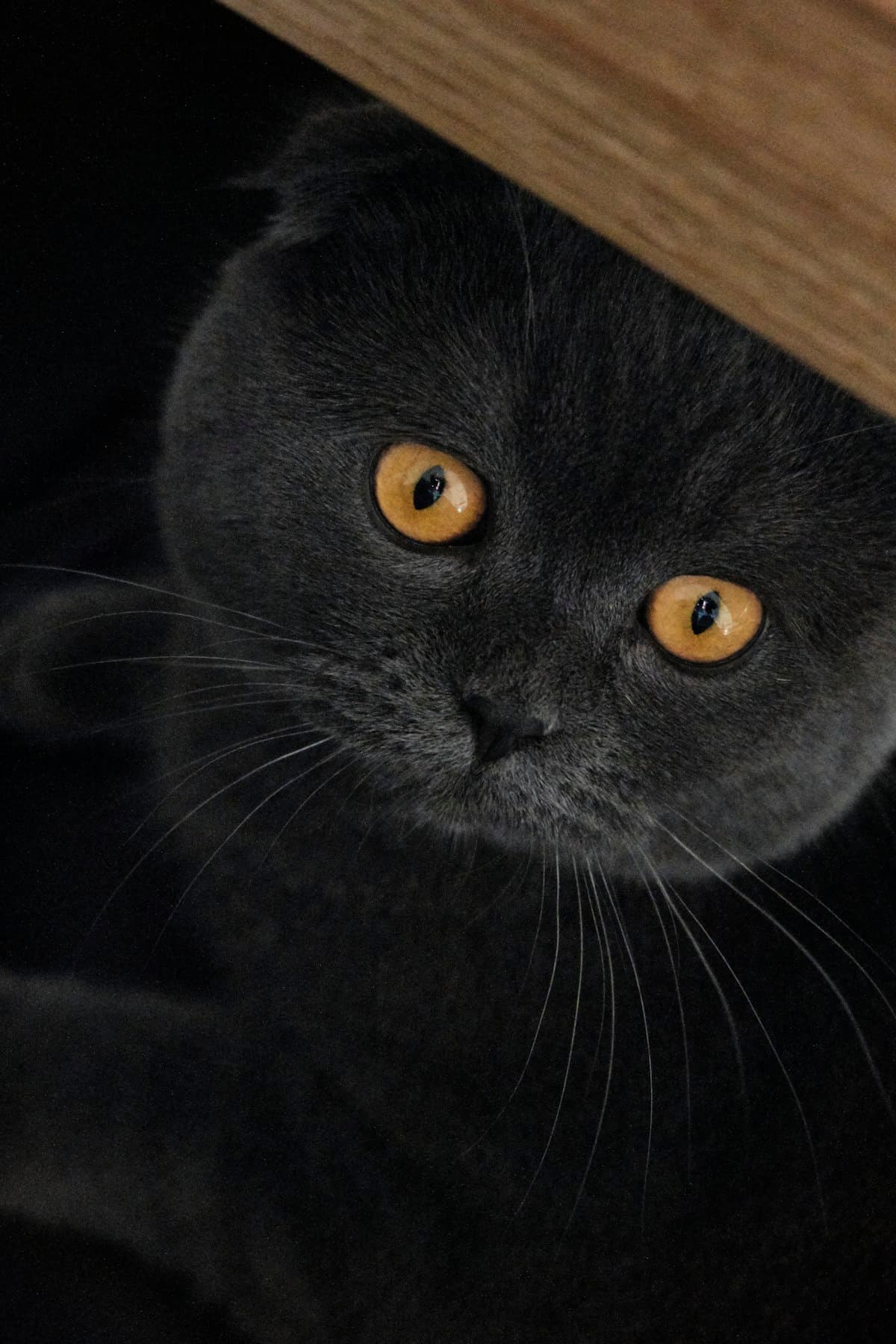
In 1961, a shepherd named William Ross spotted something unusual in a Scottish barn: a white cat with ears that folded forward like an owl's. He named her Susie, and that chance discovery on a Perthshire farm would create one of the world's most distinctive—and controversial—cat breeds. Today, Scottish Folds are beloved for their sweet temperaments and unique appearance, but they also carry a genetic mutation that every owner must understand.
Here's what makes Scottish Folds different from any other breed you might consider: the same gene that creates those adorable folded ears also affects cartilage throughout the body. This isn't meant to discourage you—many Scottish Folds live happy, comfortable lives with proper care. But it does mean these cats require more vigilant health monitoring than most breeds, especially during their critical first 30 days and throughout their lives.
This guide is designed to be honest and comprehensive. We'll cover the practical day-by-day care your kitten needs, while also giving you the knowledge to monitor for health issues and work effectively with your veterinarian. Because Scottish Folds, when properly cared for, are some of the most loving, gentle, and adaptable companions you'll ever meet.
Welcoming a Scottish Fold into your family? Many owners celebrate this milestone with a custom cat portrait—a beautiful way to capture your kitten's unique owl-like appearance. Or explore our Scottish Fold portrait collection for artistic inspiration.
Understanding Your Scottish Fold: The Breed's Unique Health Profile
Before we dive into daily care, every Scottish Fold owner needs to understand the genetic foundation of this breed. According to International Cat Care, the gene responsible for the Scottish Fold's signature folded ears—called the Fd gene—is also linked to a condition called osteochondrodysplasia (SFOCD), which affects cartilage and bone development throughout the body.
What this means for your kitten:
- All folded-ear Scottish Folds carry this gene—there are no exceptions
- The severity varies dramatically: some cats show minimal symptoms, others develop significant joint issues
- Cats with two copies of the gene (homozygous) develop severe problems early; cats with one copy (heterozygous) may develop milder symptoms later in life
- Responsible breeders only cross fold-eared cats with straight-eared cats (Scottish Straights or British Shorthairs) to reduce severity
- Early detection and proactive care can significantly improve quality of life
According to the Universities Federation for Animal Welfare (UFAW), signs of osteochondrodysplasia can appear in kittens as young as 7 weeks old, though many cats don't show symptoms until later. This is why your first 30 days should include careful observation and establishing a relationship with a veterinarian who understands this breed.
Important context: Due to these health concerns, Scottish Folds are banned or restricted in several countries including the UK, Australia, Austria, Belgium, and parts of Germany. If you're reading this guide, you've likely already made your decision—so let's focus on giving your Scottish Fold the best possible care.
Before Day 1: The Scottish Fold Preparation Checklist
Scottish Fold kittens are typically ready to come home at 12-14 weeks of age. By this time, their ears have fully developed (Scottish Fold ears begin folding around 3-4 weeks of age—only about 40% of kittens develop the fold, with the rest being "Scottish Straights"). Reputable breeders keep kittens longer to monitor for early health issues and ensure proper socialization.
Essential Supplies for Your Scottish Fold Kitten
Cat carrier (sturdy, well-ventilated): According to PurrfectlyFold, you'll need a secure carrier for bringing your kitten home and future vet visits. Choose one large enough for adult size and leave it out as a "cat cave" so it becomes familiar rather than scary.
High-quality kitten food: Scottish Folds need excellent nutrition to support healthy development. Choose kitten formulas with real meat as the first ingredient. Your kitten's breeder should provide information about what they've been eating—stick with this initially to avoid digestive upset. Later, you may consider foods with added joint support ingredients.
Stainless steel or ceramic food and water bowls: Avoid plastic, which can harbor bacteria and cause chin acne. Consider a water fountain—cats prefer running water, and good hydration supports overall health.
Joint support supplements (for future use): According to PetMD, chondroprotective agents such as glucosamine and chondroitin sulfate may help cats with osteochondrodysplasia. Ask your vet about starting these as your kitten matures. Products like Nutramax Cosequin for Cats are commonly recommended.
Low-entry litter box: Scottish Folds with joint sensitivity may struggle with high-sided boxes. Start with a shallow, open-top box that's easy to access. As your kitten grows, monitor whether they have any difficulty entering or squatting in the litter box—difficulty may indicate joint discomfort.
Comfortable, accessible beds: According to International Cat Care, providing comfortable beds in accessible, low-level locations is especially important for Scottish Folds. Consider memory foam beds that support joints, and avoid placing beds on high surfaces that require jumping.
Ear cleaning supplies: Scottish Fold ears require weekly cleaning due to the fold trapping moisture and debris. According to CatScottishFold.com, you'll need a vet-approved ear cleaning solution and cotton balls. Never use cotton swabs inside the ear canal.
Scratching posts and cat tree: Multiple scratching options at different heights protect your furniture and provide exercise. A sturdy cat tree gives your kitten a safe observation perch. For Scottish Folds, consider designs with ramps or easy-to-reach platforms rather than those requiring significant jumping.
Interactive toys: Feather wands, toy mice, laser pointers, and puzzle feeders provide mental stimulation and encourage gentle activity. Scottish Folds are playful but not hyperactive—they appreciate interactive play sessions with their humans.
Grooming supplies: A soft brush or grooming mitt for their dense, plush coat. Scottish Folds can be short-haired or long-haired (Highland Fold); long-haired varieties need more frequent brushing to prevent mats.
Kitten-Proofing for a Scottish Fold
Scottish Folds are generally calm and sensible, but they're still curious kittens who explore with their mouths:
- Remove toxic plants (lilies are particularly deadly to cats)
- Secure electrical cords and blind cords
- Lock away cleaning supplies and medications
- Check appliances before use—kittens hide in dryers and washing machines
- Remove small objects that could be swallowed (hair ties, rubber bands)
- Secure screens on windows (cats can push through)
- Consider providing ramps or pet stairs to furniture to reduce jumping stress on joints
Day 1: Bringing Your Scottish Fold Kitten Home
Your Scottish Fold kitten just left their mother and littermates—the only family they've ever known. Despite this breed's famous adaptability, expect your kitten to be confused and possibly stressed. Your job today is to create a safe, calm environment for decompression.
The Car Ride Home
Place the carrier securely in the car (seatbelt through the handle). Bring paper towels in case of motion sickness. Keep the environment calm—no loud music. Many kittens sleep during the ride; others meow the entire way. Both are normal.
The First Few Hours
According to Scottish Fold breeders like Royal Scottish Fold Cattery, the first day should be calm and structured:
- Set up a "base camp": Start your kitten in one room only—typically a bedroom or bathroom. Too much space is overwhelming. Place litter box, food, water, bed, and scratching post in this room.
- Show the litter box: Place your kitten in the litter box as soon as you arrive. They may use it or just sniff around. Either is fine—you're showing them where it is.
- Offer water, then food: After 30 minutes of settling, offer fresh water. Wait an hour before offering a small meal. Stress can cause digestive upset, so less is more on Day 1.
- Let them explore at their pace: Some kittens immediately explore; others hide under the bed. Both responses are normal. Don't force interaction. Sit quietly and let your kitten approach you.
- Keep it quiet: No visitors, loud music, or other pets. Your kitten needs time to process their new environment.
First Observations: What to Watch For
From Day 1, begin observing your kitten's movement patterns. This creates a baseline for monitoring potential joint issues later:
- How does your kitten walk? Note their gait—is it fluid or stiff?
- How does your kitten jump? Do they hesitate or seem reluctant?
- How is their tail movement? A stiff, short tail can be an early sign of osteochondrodysplasia
- How are their paws? Look for shortened, splayed toes
At this age, healthy kittens should move freely and playfully. Document with photos or video—this becomes valuable reference material for your vet.
The First Night
Expect some meowing. Your kitten misses their siblings. Keep them in their base camp room with the door closed. Some owners place a warm water bottle (wrapped in a towel) or a ticking clock near the bed to simulate warmth and heartbeat. A worn t-shirt with your scent provides comfort.
Scottish Folds are generally quieter than many breeds—their meows are soft-voiced. If excessive vocalization continues beyond the first few nights, rule out discomfort or illness.
Week 1: The Adjustment Period (Days 1-7)
Week 1 is about decompression, establishing routine, and beginning to understand your individual kitten's temperament and movement patterns.
Litter Box Training
Most Scottish Fold kittens from reputable breeders arrive litter-trained. Your job is to make the litter box accessible and attractive:
- Keep the box clean—scoop twice daily
- Use unscented, dust-free litter (Scottish Folds' folded ears may trap dust)
- Place the kitten in the box after meals and naps
- Praise calm, successful use—no need to be effusive; a gentle "good kitten" suffices
- Never punish accidents—clean with enzymatic cleaner and ensure the box is accessible
Important: Difficulty squatting or reluctance to use the litter box can indicate joint pain. If your kitten seems to hesitate, cry when squatting, or avoid the box despite it being clean, consult your veterinarian.
Feeding Schedule
Kittens 12-16 weeks old need 3-4 meals per day. According to Love Pet Care, Scottish Folds should be fed high-quality kitten food formulated to support growth and development:
A typical schedule:
- 7:00 AM — Breakfast
- 12:00 PM — Lunch
- 5:00 PM — Dinner
- 9:00 PM — Small evening meal (optional for very young kittens)
Stick with whatever food your kitten was eating at the breeder's. If you want to change diets, do so gradually over 7-10 days to avoid digestive upset.
Understanding Scottish Fold Temperament
According to Hill's Pet, Scottish Folds are known for being "sweet, charming, and easy to live with." During Week 1, you'll begin to see this personality emerge:
- Affectionate but not demanding: They enjoy being near you but aren't typically "velcro cats"
- Soft-voiced: Their meows are quiet and melodic
- Calm energy: Not as hyperactive as some breeds, but still playful
- Adaptable: They adjust well to new environments once the initial stress passes
- Human-oriented: They prefer being with their people over being alone
Beginning Ear Care Routine
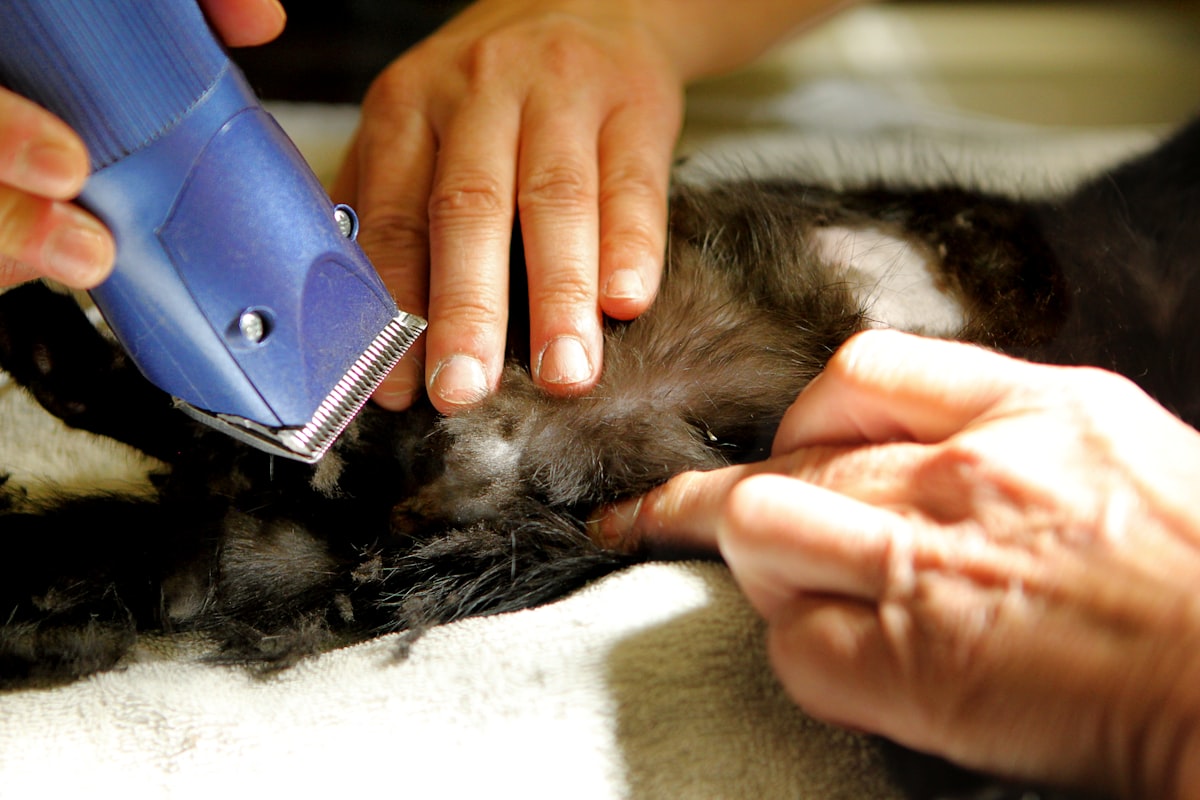
Scottish Folds' folded ears require more attention than typical cat ears. According to MeoWoff, the fold can trap moisture, wax, and debris, potentially leading to infections. Start establishing an ear care routine during Week 1:
- Check ears daily—look for dark debris, odor, or redness
- Clean weekly (or as needed) with vet-approved ear cleaning solution
- Apply solution to a cotton ball—never pour directly into the ear
- Gently wipe the outer ear folds; never insert anything into the ear canal
- Make it a positive experience with treats afterward
Signs of ear problems: Frequent scratching, head shaking, dark brown or black debris (may indicate ear mites), foul odor, or redness/swelling. If you notice any of these, see your veterinarian promptly.
Week 2: Basic Training and Bonding (Days 8-14)
Your Scottish Fold has had a week to settle in. Now you can begin expanding their world and establishing positive habits. Scottish Folds are intelligent and respond well to gentle training.
Expanding Territory Gradually
If your kitten seems comfortable and confident in their base camp room, you can begin supervised exploration of other areas:
- Open the door and let them explore at their own pace
- Stay nearby to supervise
- Keep the base camp available as their "safe zone"
- Add a second litter box if your home has multiple floors
Basic Training: Scottish Folds Learn Quickly
According to Vets Love Pets, Scottish Folds are intelligent and can learn basic tricks. They respond best to positive reinforcement:
Name recognition: Say your kitten's name in a pleasant voice. When they look at you, immediately offer a small treat. Repeat frequently throughout the day. Within a week, your kitten should respond reliably to their name.
Coming when called: Say your kitten's name followed by "come!" in an encouraging tone. When they approach, reward with treats and affection. This command is important for safety and management.
Carrier training: Feed meals inside the carrier. Place treats inside. The goal is making the carrier a positive space, not something that only appears for scary vet visits.
Play and Mental Stimulation
Scottish Folds need mental stimulation and moderate exercise. According to Purebred Kitties, "they love and require attention and to be challenged with new toys and activities. Being intelligent, they may enjoy interactive toys, such as toys that fly or flutter, or food puzzles."
Recommended play activities:
- Feather wands: Encourage natural hunting behaviors
- Puzzle feeders: Provide mental stimulation during meals
- Crinkle balls and toy mice: Self-play options
- Laser pointers: Great exercise (always end with a physical toy they can "catch")
- Catnip toys: Many Scottish Folds respond to catnip after 6 months of age
Aim for two 15-minute interactive play sessions daily. Scottish Folds aren't as hyperactive as some breeds, but they still need stimulation to stay healthy and prevent boredom.
Observing Movement Patterns
During Week 2, continue monitoring your kitten's movement. Play provides excellent opportunity to observe:
- Does your kitten chase and pounce normally?
- Are they able to jump onto moderate-height surfaces?
- Do they show any stiffness after rest?
- Is their tail flexible and mobile?
Keep notes and take videos. A healthy 12-14 week old kitten should move freely without hesitation or signs of discomfort.
Week 3: Critical Health Monitoring and Socialization (Days 15-21)
Week 3 brings your first major veterinary milestone: a comprehensive wellness exam with a veterinarian who understands Scottish Fold health concerns. This week is also important for continued socialization.
The Critical First Veterinary Visit
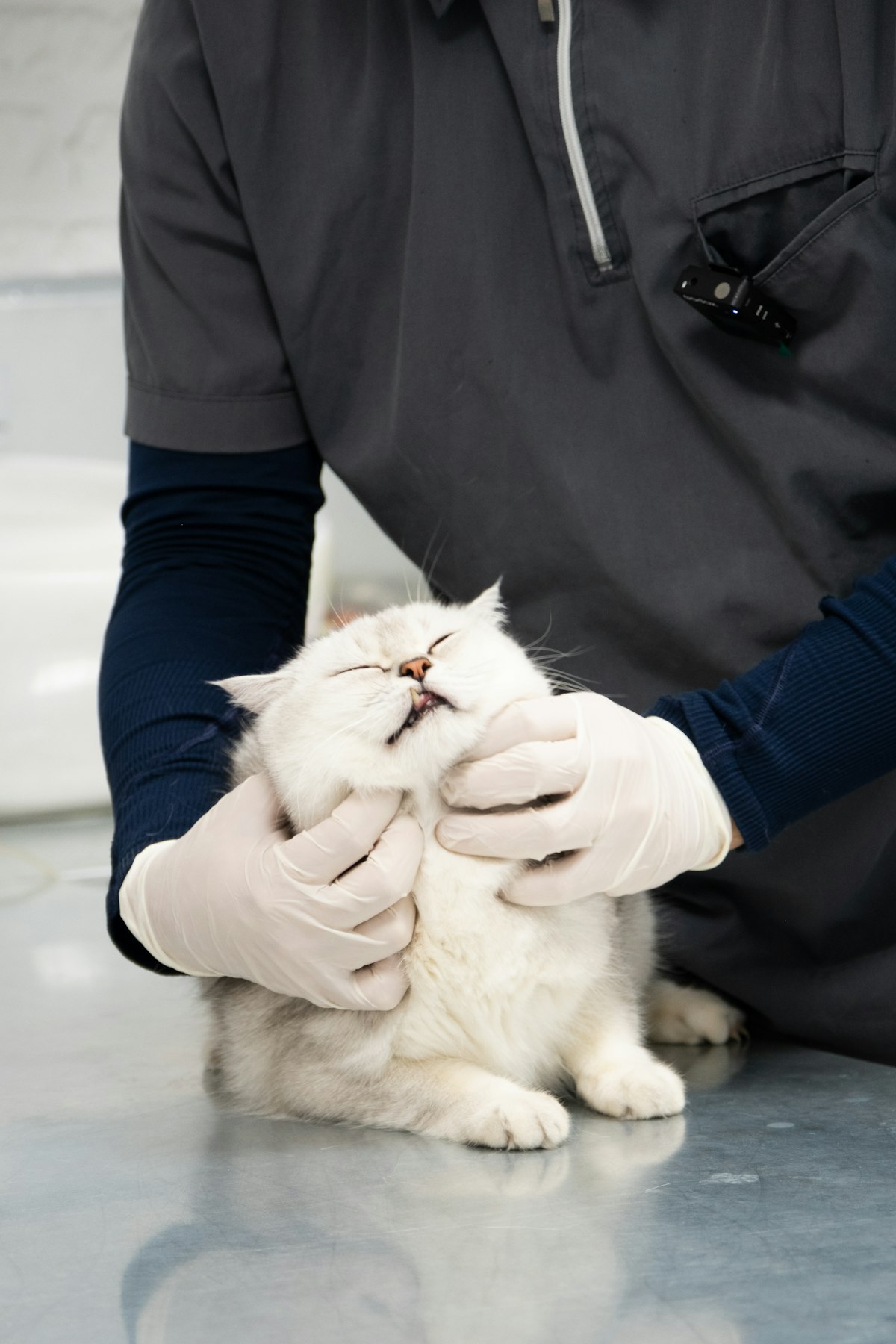
If you haven't already, schedule a thorough veterinary examination. For Scottish Folds, this visit is especially important. According to CatScottishFold.com, discuss the following:
Vaccination schedule: Core vaccines typically include:
- FVRCP (feline viral rhinotracheitis, calicivirus, panleukopenia) — started at 6-8 weeks with boosters every 3-4 weeks until 16-20 weeks
- Rabies — typically given at 12-16 weeks
- Your kitten likely received initial vaccines from the breeder; bring all documentation
Joint and skeletal assessment:
- Ask for a thorough physical examination of limbs, tail, and spine
- Discuss baseline X-rays to document joint condition (some vets recommend this for all Scottish Folds)
- Learn what signs of osteochondrodysplasia to watch for as your cat ages
- Discuss joint supplements and when to start them
Other health screening:
- Heart examination (Scottish Folds can be prone to hypertrophic cardiomyopathy)
- Ear examination and cleaning demonstration
- Parasite screening and prevention
- Discussion of spay/neuter timing
According to Catster, "signs may start occurring between 4 and 6 months old, and the signs will get worse as your cat ages." Early monitoring gives you the best chance of managing any issues that develop.
Socialization for a Calm, Confident Adult
According to Moty Dom Cattery, Scottish Fold kittens need "gentle early education and socialization to grow into confident, friendly cats." The socialization window is closing—these weeks are critical.
Expose your kitten positively to:
- Different people: Men, women, children (supervised), people wearing hats or glasses
- Household sounds: Vacuum cleaner (from a distance at first), doorbell, TV, music
- Handling: Touching paws, ears, mouth—preparation for grooming and vet visits
- New environments: Different rooms, surfaces, enclosed spaces
Scottish Folds are naturally calm and adaptable, but proper socialization ensures they become confident adults rather than fearful ones.
Meeting Other Household Pets
If you have other pets, Week 3 is often appropriate for careful introductions. Scottish Folds generally get along well with other cats and cat-friendly dogs.
For existing cats:
- Exchange bedding so they become familiar with each other's scents
- Feed on opposite sides of a closed door
- Gradually allow visual contact through a baby gate
- Supervise initial face-to-face meetings
- Provide separate resources (litter boxes, food bowls, sleeping areas)
For dogs:
- Keep the dog on leash during initial meetings
- Let the kitten approach on their terms
- Reward calm behavior from both animals
- Never leave unsupervised until you're confident in their relationship
Week 4: Building Long-Term Health Habits (Days 22-30)
Your Scottish Fold is settling in beautifully. Week 4 is about establishing the routines that will support their health for the next 12-15 years—with special emphasis on joint care and monitoring.
Joint Health Management: The Ongoing Priority
According to PetMD, while there is no cure for osteochondrodysplasia, several measures can support joint health and comfort:
Environmental modifications:
- Provide pet stairs or ramps to furniture and favorite perches
- Use low-entry litter boxes that don't require stepping over high sides
- Place comfortable beds at floor level or easily accessible locations
- Consider raising food and water bowls slightly to reduce bending
- Provide soft, supportive sleeping surfaces
Weight management:
- Scottish Folds should be kept at a lean, healthy weight to reduce stress on joints
- Weigh your kitten regularly and track growth
- Measure food portions; never free-feed
- Use puzzle feeders to slow eating and provide mental stimulation
Supplements (consult your vet):
- Glucosamine and chondroitin sulfate may support cartilage health
- Omega-3 fatty acids have anti-inflammatory properties
- Products like Cosequin for Cats are commonly recommended
- Always discuss supplements with your veterinarian before starting
Gentle exercise:
- Regular, moderate play keeps joints mobile without excessive stress
- Avoid activities that require repetitive jumping from heights
- Interactive play sessions are preferable to encouraging "parkour" behavior
Establishing Grooming Routines
Scottish Folds have dense, plush coats—short-haired varieties need weekly brushing, while long-haired Highland Folds may need brushing 2-3 times per week.
Weekly grooming checklist:
- Coat brushing: Removes loose hair, prevents mats, distributes natural oils
- Ear cleaning: Check and clean folded ears weekly (as established in Week 1)
- Nail trimming: Every 1-2 weeks; start handling paws now to make this easier
- Dental care: Begin toothbrushing routines with kitten-specific toothpaste
- Eye cleaning: Wipe around eyes if needed with a damp cotton ball
Make grooming a positive bonding experience with treats and gentle handling. The habits you establish now will make lifelong care much easier.
Understanding Your Scottish Fold's Personality
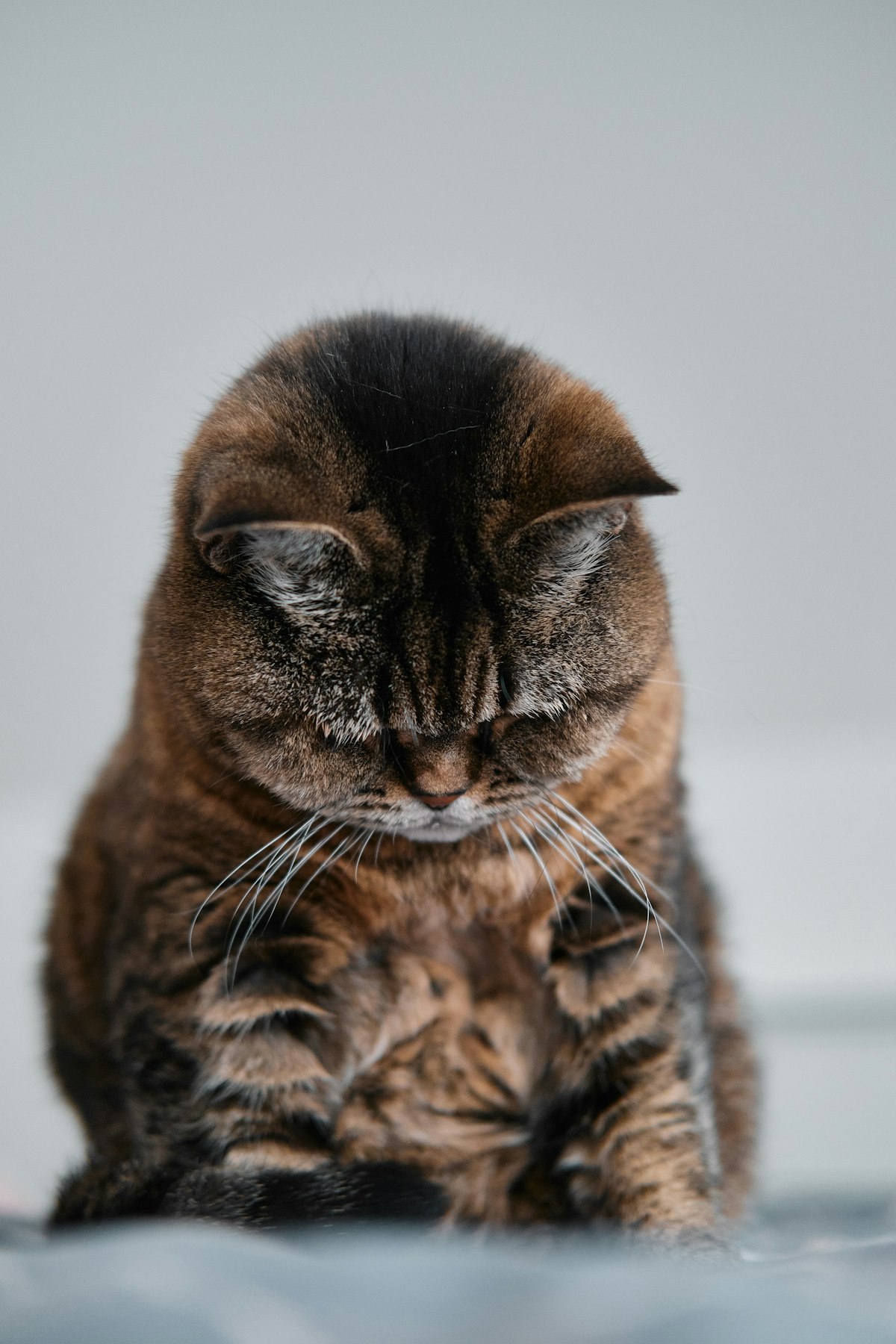
By Week 4, your kitten's personality is becoming clear. According to BetterVet, Scottish Fold cats have "very even temperament, meaning they are not abnormally active, but they are more energetic than just a lap cat. They are also sociable and friendly and enjoy playing games, exploring, and having some quality lap time with their family."
Common Scottish Fold traits you may notice:
- "Buddha sitting" — sitting on their haunches with legs stretched out (can indicate joint stiffness in some cases)
- Following you room to room — they're social cats who prefer company
- Quiet, soft meows — they're not typically vocal cats
- Love of routines — they appreciate predictable schedules
- Moderate playfulness — energetic enough to play, calm enough to relax
Important note: While the "Buddha sit" is often considered a cute breed trait, it can sometimes indicate that a cat finds normal sitting positions uncomfortable due to joint issues. If you notice your cat consistently sitting in unusual positions, mention this to your veterinarian.
30-Day Milestone Table
Use this table to track your Scottish Fold kitten's progress:
| Milestone | Target | Notes |
|---|---|---|
| Settled in base camp room | Day 2-3 | Eating, using litter box, exploring confidently |
| Established ear cleaning routine | Day 7 | Weekly cleaning accepted without stress |
| Movement baseline documented | Day 7 | Photos/videos of normal movement for vet reference |
| Responds to name | Day 10-14 | Looks at you when called |
| First vet visit complete | Day 14-21 | Vaccines updated, joint assessment done |
| Comfortable with handling | Day 21 | Accepts paw, ear, and mouth handling |
| Socialized to household sounds | Day 21 | Not fearful of vacuum, doorbell, etc. |
| Grooming routine established | Day 30 | Accepts brushing, nail trims without fear |
| Litter box 100% reliable | Day 30 | No accidents; using box without hesitation |
| Joint health monitoring established | Day 30 | Know what to watch for; regular observation habit |
Frequently Asked Questions
Do all Scottish Folds develop joint problems?
All folded-ear Scottish Folds carry the gene associated with osteochondrodysplasia, but severity varies dramatically. According to International Cat Care, cats homozygous for the gene (bred from two fold-eared parents) develop severe problems early in life. Cats heterozygous for the gene (one fold-eared and one straight-eared parent) may develop milder symptoms that appear later—sometimes not until middle age or senior years. Some heterozygous cats live comfortably with minimal symptoms. Regular veterinary monitoring, weight management, and environmental modifications can significantly improve quality of life regardless of severity.
How do I know if my Scottish Fold is in pain?
Cats are masters at hiding pain, but watch for: reluctance to jump or play, stiff or stilted gait (especially after rest), limping, reduced activity, changes in grooming habits, difficulty using the litter box, sitting in unusual positions, short or inflexible tail, swollen joints, or changes in temperament. According to Catster, signs may appear as early as 4-6 months and typically progress over time. If you notice any of these signs, consult your veterinarian promptly—early intervention helps manage discomfort.
How often should I clean my Scottish Fold's ears?
According to JOJO Pets, Scottish Fold ears should be checked weekly and cleaned every 7-10 days, or as needed. The fold creates a warm, enclosed environment that can trap wax and debris. Use a vet-approved ear cleaning solution and cotton balls—never cotton swabs inside the ear canal. Normal ears should be light pink and slightly waxy. Dark debris (like coffee grounds) may indicate ear mites; redness, swelling, or foul odor requires immediate veterinary attention.
Are Scottish Folds good for families with children?
Yes—their calm, patient temperament makes them excellent family cats. According to ASPCA Pet Insurance, Scottish Folds are "affectionate and comfortable with all members of their family." They tolerate handling well and aren't easily stressed. However, teach children to handle cats gently and never pull ears or tail—this is especially important because Scottish Folds may have joint sensitivity. Always supervise young children with any pet.
What is the lifespan of a Scottish Fold?
With proper care, Scottish Folds can live 12-15 years, with some reaching their late teens. Lifespan depends significantly on genetics, whether the cat develops significant osteochondrodysplasia, and the quality of care they receive. Regular veterinary care, weight management, joint support, and early intervention for any health issues all contribute to longevity. Choose a responsible breeder who health-tests their cats and only crosses fold-eared cats with straight-eared cats to reduce the risk of severe health problems.
The Ethical Consideration: A Transparent Discussion
We believe informed owners make the best owners, so we must address the elephant in the room: Scottish Folds are a controversial breed from an animal welfare perspective.
Organizations like the RSPCA, International Cat Care, and veterinary associations in multiple countries have expressed concern about breeding cats with a mutation known to cause health problems. The breed was actually excluded from the UK's Governing Council of the Cat Fancy in 1974 and is banned or restricted in several countries.
If you're reading this guide, you likely already have or are committed to getting a Scottish Fold. Here's how to be the most responsible owner possible:
- Choose a responsible breeder who only crosses fold-eared cats with straight-eared cats, health tests their breeding cats, and is transparent about the breed's health issues
- Consider adopting a Scottish Fold from a rescue rather than supporting breeding
- Commit to lifelong health monitoring with a veterinarian who understands the breed
- Be prepared for potential medical costs including joint supplements, pain management, or other treatments
- Provide an environment that minimizes stress on joints
- Never breed your Scottish Fold unless you're a responsible breeder following ethical practices
Scottish Folds can live happy, comfortable lives with owners who understand their needs. The key is education, vigilance, and commitment to their wellbeing.
Beyond 30 Days: What Comes Next
The first month establishes critical foundations, but your Scottish Fold's care continues to evolve:
- Months 3-6: Watch for early signs of joint issues; continue socialization; complete vaccination series; discuss spay/neuter timing with your vet
- Months 6-12: Transition to adult food; establish annual vet visit routine; consider joint supplements if recommended
- Years 1-3: Adult personality fully emerges; monitor weight closely; continue joint health vigilance
- Senior years (7+): Increase vet visits to twice yearly; watch more closely for mobility changes; adjust environment as needed
Throughout your Scottish Fold's life, maintain a partnership with your veterinarian. Regular checkups—at least annually, more frequently for cats showing any symptoms—allow early intervention if issues develop.
Celebrate Your Unique Companion
These first 30 days are the beginning of a beautiful relationship. Scottish Folds are special cats—their owl-like faces, round eyes, and sweet dispositions have captured hearts around the world since Susie was first spotted in that Scottish barn over 60 years ago.
Your Scottish Fold will bring you years of gentle companionship, quiet conversations, and the special bond that comes from caring for a creature who depends on you. They're not the easiest breed from a health perspective, but many owners say the extra care is more than worth it for their devotion and personality.
Many Scottish Fold owners find these early weeks worth commemorating: those distinctive folded ears, the round face, that sweet expression. A custom portrait freezes this moment forever—something you'll treasure throughout your years together.
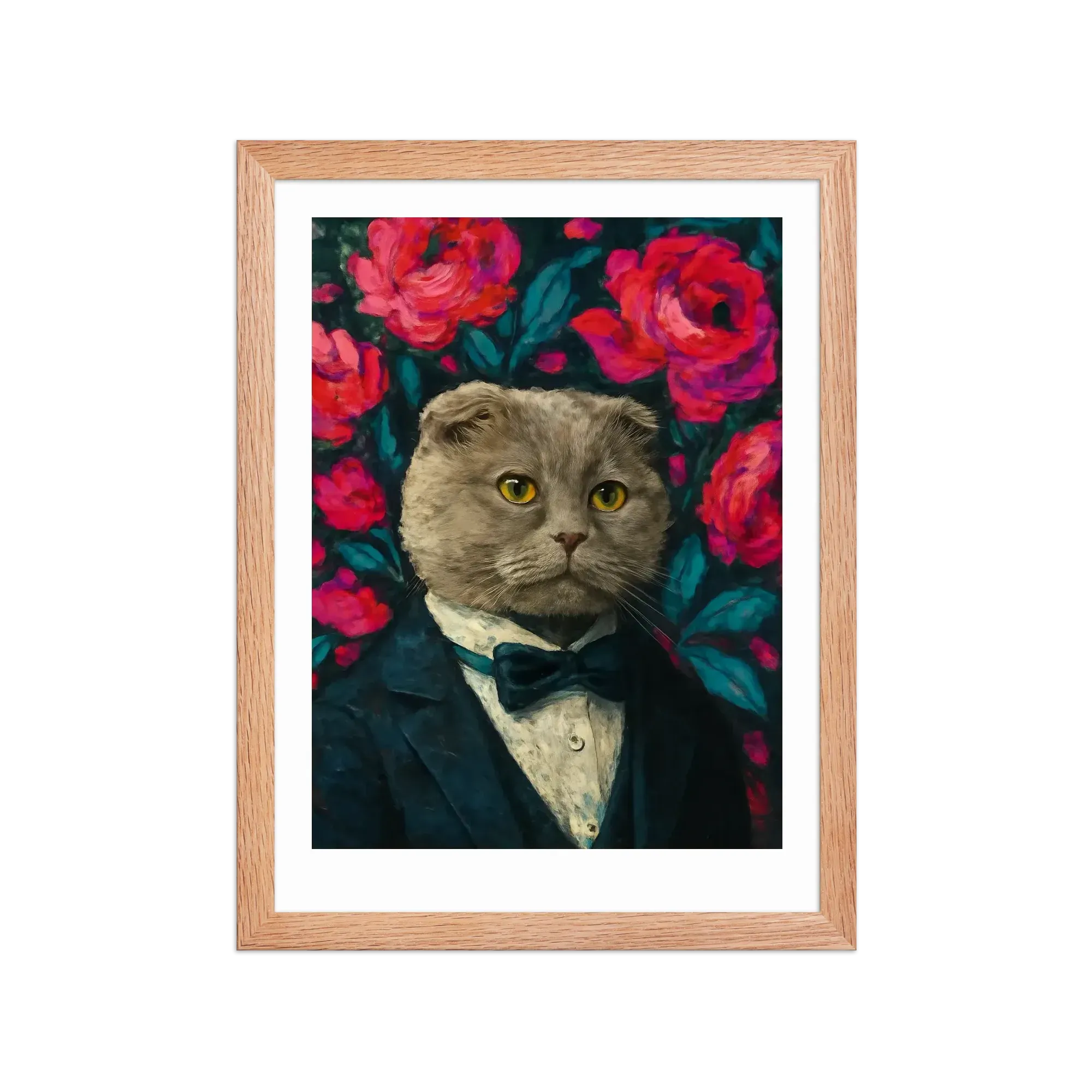
Ready to immortalize your Scottish Fold's unique beauty? Create a custom cat portrait in minutes—from Renaissance royalty to pop art masterpieces. Or browse our Scottish Fold portrait gallery for inspiration. Because your owl-faced companion deserves to be celebrated as the work of art they truly are.