Ragdoll Kitten First 30 Days: Complete New Owner Guide (2026)
Bringing home a Ragdoll kitten? This comprehensive guide covers everything from Day 1 preparation to Week 4 milestones, with breed-specific tips for the famously relaxed "puppy cat."
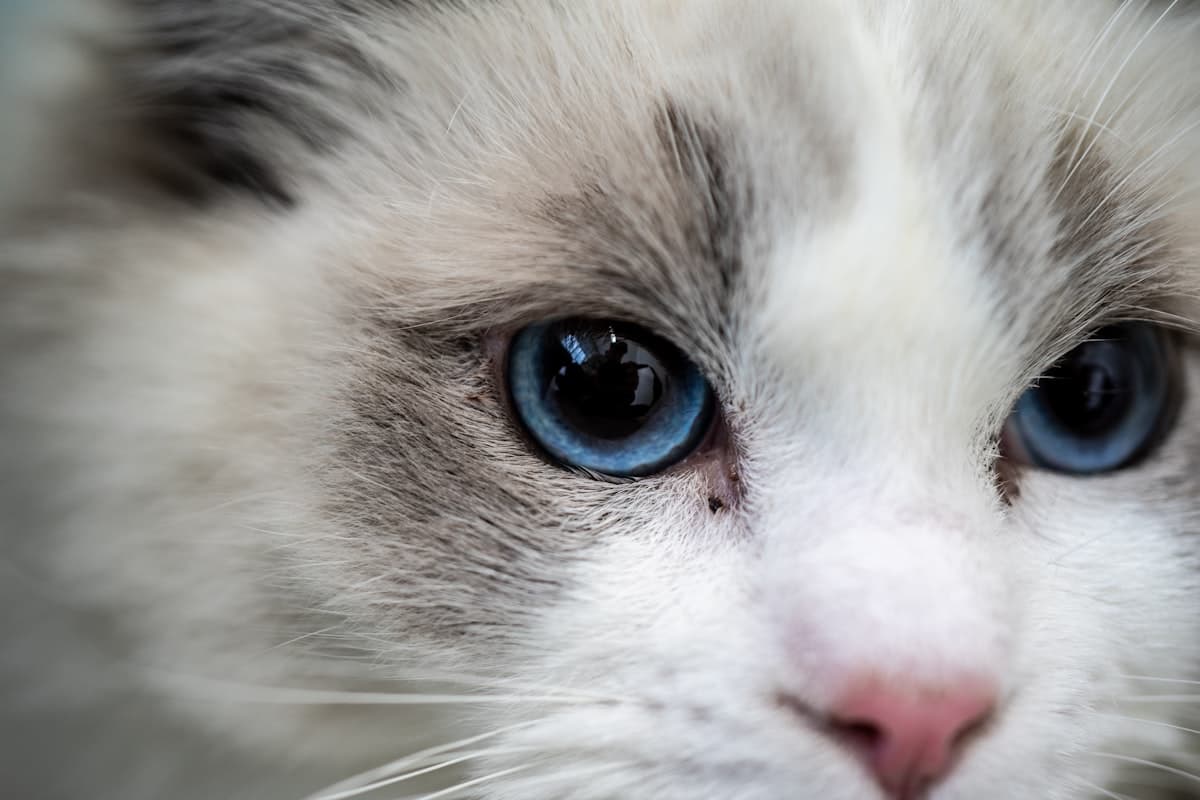
Pick up a Ragdoll cat, and something magical happens: they go completely limp in your arms, relaxed as a ragdoll toy. This distinctive trait—along with their striking blue eyes, silky coat, and remarkably gentle temperament—has made Ragdolls one of the most beloved cat breeds in the world.
Developed in California in the 1960s by breeder Ann Baker, Ragdolls were bred specifically for their docile, people-oriented personalities. They're often called "puppy cats" because they follow their owners, greet them at the door, and genuinely seem to enjoy human company.
But that sweet, trusting nature comes with responsibilities. Ragdolls are so laid-back they may not defend themselves from other animals. They're prone to certain health conditions, including heart disease. And their beautiful coat needs regular attention. This guide covers everything you need for your Ragdoll's first 30 days.
Celebrating your new blue-eyed beauty? Many Ragdoll owners capture those stunning eyes with a custom pet portrait. Browse our Ragdoll portrait gallery for inspiration.
Before Day 1: The Ragdoll Preparation Checklist
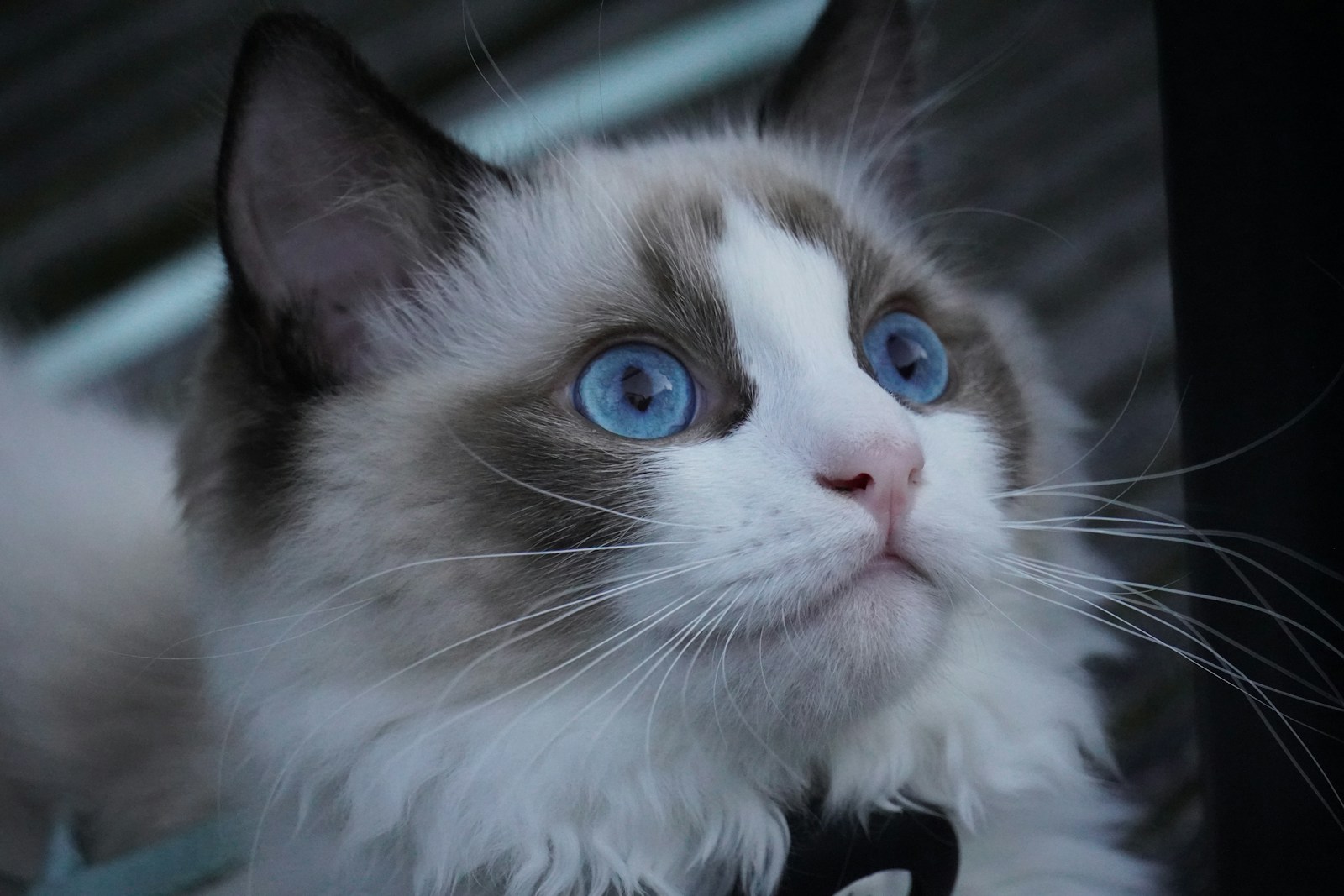
Ragdoll kittens typically come home at 12-16 weeks. Reputable breeders keep them longer to ensure proper socialization and begin health screening. Your kitten will already have those mesmerizing blue eyes, though their full color pattern may still be developing.
Essential Supplies for Your Ragdoll Kitten
Large litter box: Ragdolls are large cats (males reach 15-20 lbs). Even kittens need room to maneuver. Choose an uncovered, large box and plan to upgrade as they grow.
High-quality kitten food: Ragdolls grow slowly like Maine Coons, reaching full size around age 4. According to the CFA, proper nutrition supports their slow, steady development. Choose a premium kitten formula.
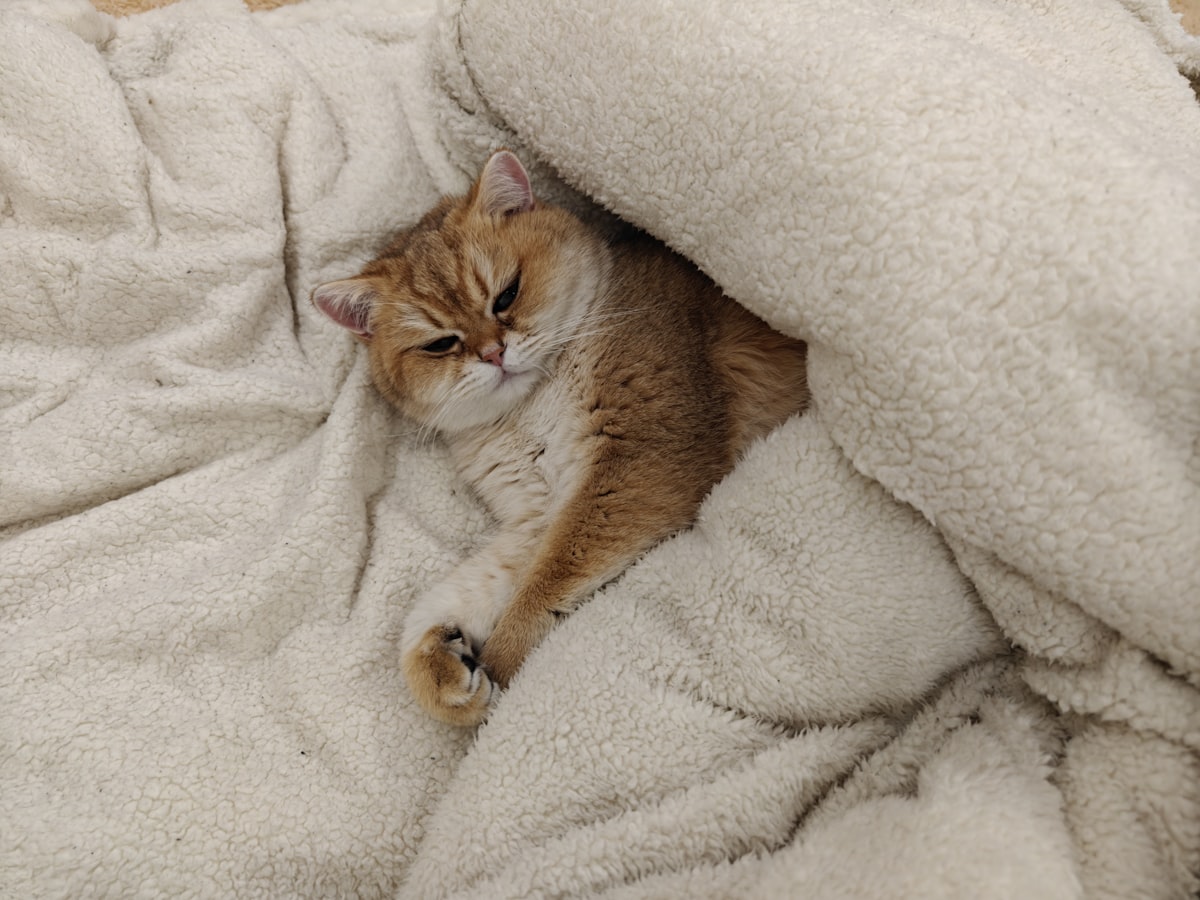
Soft bedding: Ragdolls love comfort. Provide soft beds, blankets, and cozy spots throughout your home.
Grooming supplies: Steel comb and slicker brush. Their semi-long, silky coat is less prone to matting than some long-haired breeds but still needs regular care.
Cat trees and perches: Despite their relaxed nature, Ragdolls enjoy elevated spots to observe their domain. Choose sturdy structures—they're big cats.
Interactive toys: Wand toys, balls, puzzle feeders. Ragdolls are playful and intelligent despite their laid-back reputation.
Water fountain: Encourages hydration, which supports urinary and kidney health.
Safety Considerations for Ragdolls
Ragdolls have reduced survival instincts compared to other cats. Their docile nature means they may not recognize or respond appropriately to danger:
- Indoor only: Ragdolls should never be outdoor cats. They're too trusting for the hazards outside.
- Supervise with other animals: Until you know how they'll interact
- Secure windows and balconies: They may not fear heights appropriately
- Screen doors carefully: Their desire to follow you may override caution
Day 1: Bringing Your Ragdoll Kitten Home
Ragdolls adapt well to new environments—their calm temperament is a breed hallmark. Still, the first day is a transition, and your kitten needs time to adjust.
The Car Ride Home
Ragdolls often travel well due to their relaxed nature. Use a secure carrier lined with soft bedding. They may vocalize, but many Ragdolls settle quickly. Keep the car cool and avoid loud music.
First Hours at Home
- Set up a base camp: One room with litter box, food, water, and bedding. Let them decompress before exploring the whole house.
- Let them exit the carrier voluntarily: Open the door and wait. Ragdolls may be curious immediately or take their time.
- Introduce the litter box: Place them in it so they know the location.
- Offer water first: Wait 30-60 minutes for settling, then offer water. Small meal after another hour.
- Spend quiet time together: Ragdolls bond through presence. Just being in the room helps them feel secure.
The First Night
Many Ragdolls settle quickly, but some miss their littermates. Options:
- Keep them in their base camp with cozy bedding
- A snuggle toy or microwavable heating pad can provide comfort
- Many owners allow Ragdolls in the bedroom—they often become devoted sleeping companions
- Respond to distress with calm presence, not scolding
Week 1: Building Trust and Routine (Days 1-7)
Week 1 is about settling in and beginning the intense bond Ragdolls are famous for forming.
Understanding Ragdoll Temperament
Ragdolls are distinctively:
- Docile: They truly go limp when held—it's a breed characteristic, not learned
- People-oriented: They want to be with you, often following room to room
- Gentle: Aggression is extremely rare in the breed
- Quiet: Soft-voiced compared to many breeds
- Laid-back: They adapt to schedules and changes more easily than high-strung breeds
- Intelligent: Despite the relaxed demeanor, they're clever cats
Litter Box Basics
Ragdolls are typically fastidious about litter box habits. Ensure:
- Clean daily (they may avoid dirty boxes)
- Large enough for their growing size
- Easily accessible location
- Unscented litter (most cats prefer it)
- One per cat plus one for multi-cat homes
Feeding Your Ragdoll
At 12-16 weeks, feed 3-4 times daily. Ragdolls grow slowly, reaching full size around 4 years:
- High-quality kitten food (wet and/or dry)
- Fresh water always available (fountain recommended)
- Monitor weight—Ragdolls can become overweight if overfed
- Don't rush transition to adult food (consult your vet on timing)
Week 2: Grooming and Health Foundations (Days 8-14)
Ragdoll coats are beautiful and require regular attention—though less than some long-haired breeds thanks to their silky texture.
Coat Care for Ragdolls
The Ragdoll coat is semi-long and silky with minimal undercoat, making it less prone to matting than breeds like Persians. Still, regular grooming keeps it beautiful:
Grooming schedule: 2-3 times weekly minimum, daily during seasonal shedding
Technique:
- Start with a steel comb to detect any tangles
- Use a slicker brush for the main coat
- Pay attention to behind ears, under legs, and britches (rear leg fur)
- Check for mats and remove gently with fingers or mat splitter
- End with treats to keep grooming positive
Note: Ragdoll coats reach full length around 3-4 years. Kitten coats are shorter and easier to manage—establish grooming habits now.
Handling and Nail Care
Ragdolls tolerate handling better than most cats. Take advantage of this to establish care routines:
- Handle paws daily, extending claws gently
- Check ears weekly (fold back to look inside)
- Brush teeth or use dental treats (periodontal disease affects cats too)
- Practice picking them up properly—supporting full body
- Begin nail trimming introduction with treats
First Vet Visit
Schedule your first vet visit during Week 1 or 2. Discuss:
- HCM screening: Hypertrophic Cardiomyopathy affects Ragdolls. Responsible breeders screen parents, but ongoing monitoring is important.
- Vaccine schedule
- Spay/neuter timing (typically 4-6 months)
- Parasite prevention
- Weight and growth assessment
Week 3: Socialization and Enrichment (Days 15-21)
Ragdolls are naturally sociable, but proper exposure during the socialization window ensures they remain confident.
Socialization for Ragdolls
People: Introduce your kitten to various people. Ragdolls typically love everyone, but early exposure cements this:
- Different ages and appearances
- Visitors to your home (let kitten approach at their pace)
- Children (supervised, teaching gentle handling)
- People in uniforms or unusual clothing
Sounds and experiences:
- Household appliances (vacuum, blender)
- TV and music at various volumes
- Doorbell, phone rings
- Car rides in carrier
- Being brushed and handled for vet-type examinations
Other animals:
- If you have other pets, introduce slowly and carefully
- Ragdolls often get along well with other cats and cat-friendly dogs
- Their docile nature means they may not defend themselves—supervise until relationships are established
Play and Mental Stimulation
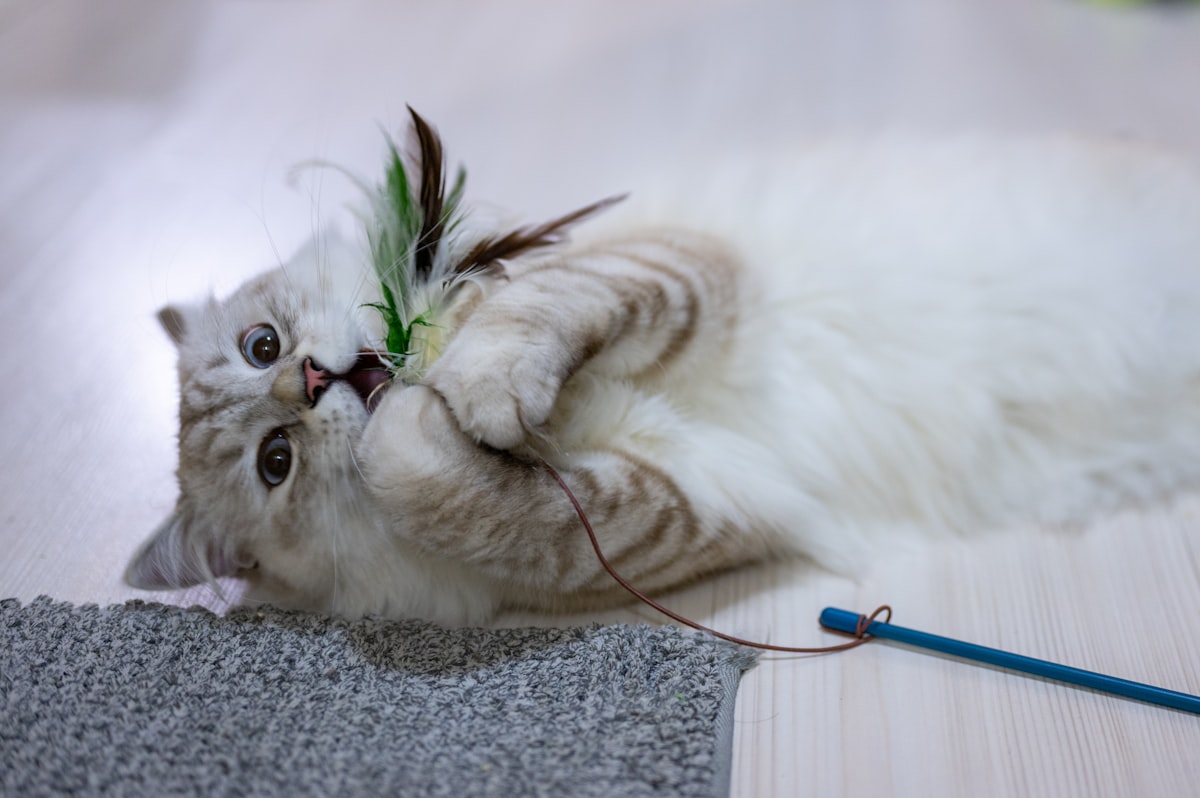
Despite their laid-back reputation, Ragdolls are playful cats who need stimulation:
- Interactive play: Two sessions daily with wand toys
- Fetch: Many Ragdolls enjoy fetching toys—encourage it!
- Puzzle feeders: Mental challenges satisfy their intelligence
- Climbing and perching: Provide vertical space
- Window watching: Safe entertainment for indoor cats
Week 4: Health Awareness and Long-Term Care (Days 22-30)
By Week 4, your Ragdoll is settled and attached to you. Now focus on health habits that support their long life (12-15+ years).
Understanding Ragdoll Health
Ragdolls are generally healthy, but several conditions occur more frequently in the breed:
Hypertrophic Cardiomyopathy (HCM):
- Most common heart disease in cats, elevated risk in Ragdolls
- Responsible breeders screen via echocardiogram
- Baseline echo around 1 year recommended
- Watch for: lethargy, breathing changes, reduced activity, hind leg weakness
- Regular vet checkups help detect changes early
Polycystic Kidney Disease (PKD):
- DNA testing available—reputable breeders screen
- Less common than in Persians but worth knowing about
Bladder stones:
- Proper hydration helps prevent
- Water fountain encourages drinking
- Quality diet supports urinary health
Weight Management
Ragdolls are large cats, but should be muscular, not fat:
- Males typically reach 15-20 lbs; females 10-15 lbs
- Feel ribs with light pressure (visible ribs means underweight)
- Waist visible from above
- Belly tuck visible from side
- Weigh monthly and track trends
The Indoor-Only Rule
Ragdolls should never be outdoor cats. Their trusting, docile nature puts them at severe risk from:
- Traffic (they may not flee quickly)
- Predators (they may not fight back effectively)
- Other cats (disease transmission, fighting)
- Theft (their beauty and value make them targets)
- Getting lost (they may not have strong homing instincts)
If you want outdoor time, consider a secure "catio" or leash training (many Ragdolls accept harnesses).
Your 30-Day Ragdoll Milestone Timeline
| Day | Milestone | Notes |
|---|---|---|
| 1 | Bring kitten home | Base camp setup, quiet decompression |
| 2-3 | House exploration | Room by room, supervised |
| 4-5 | Feeding routine | 3-4 meals daily established |
| 6-7 | First vet visit | Weight, vaccines, HCM discussion |
| 8-10 | Grooming introduction | Positive brushing sessions |
| 11-14 | Handling routine | Paws, ears, teeth comfortable |
| 15-18 | Socialization | People, sounds, experiences |
| 19-21 | Play routines | Interactive play twice daily |
| 22-25 | First nail trim | Tips only, with treats |
| 26-28 | Weight baseline | Monthly weigh-ins started |
| 29-30 | 30-day assessment | Health, behavior, bonding review |
Frequently Asked Questions
Why does my Ragdoll go limp when I pick them up?
It's a defining breed characteristic! The breed was developed specifically for this trait. When relaxed and comfortable, Ragdolls naturally relax their muscles when held, going "floppy" like a ragdoll toy. Not all Ragdolls do this equally, but most display it to some degree.
Are Ragdolls really like puppies?
In many ways, yes. They often greet owners at the door, follow them room to room, enjoy being held, respond to training, and seek out human company actively. They're more sociable and interactive than many cat breeds. But they're still cats—with all the grace and independence that implies.
Can Ragdolls be left alone?
For normal work hours, yes—though they'll miss you. But Ragdolls are companion cats who don't thrive with excessive solitude. If you're away for long hours regularly, consider getting two cats (they often do well in pairs) or arranging for someone to visit. Extended absences (vacations) should include pet sitters or quality boarding.
Do Ragdolls get along with other pets?
Usually very well. Their gentle, non-aggressive nature makes them good companions for other cats and cat-friendly dogs. Introduce new pets slowly and supervise initially. Their docile temperament means they may not defend themselves well—ensure other pets don't bully them.
When will my Ragdoll be fully grown?
Ragdolls are slow-maturing cats, reaching full size around 3-4 years old. Males typically reach 15-20 lbs, females 10-15 lbs. Their coat also reaches full length and color around this age. Be patient—you have years of watching your kitten develop!
Celebrate Your Floppy Friend
These first 30 days are the beginning of one of the most rewarding cat relationships possible. Ragdolls are truly special—their gentle souls, stunning beauty, and genuine affection for their people make them unlike any other breed. They'll follow you around, flop in your arms, and gaze at you with those incredible blue eyes.
Those striking eyes, that silky coat, that impossibly relaxed demeanor—your Ragdoll kitten is already a masterpiece worth celebrating.
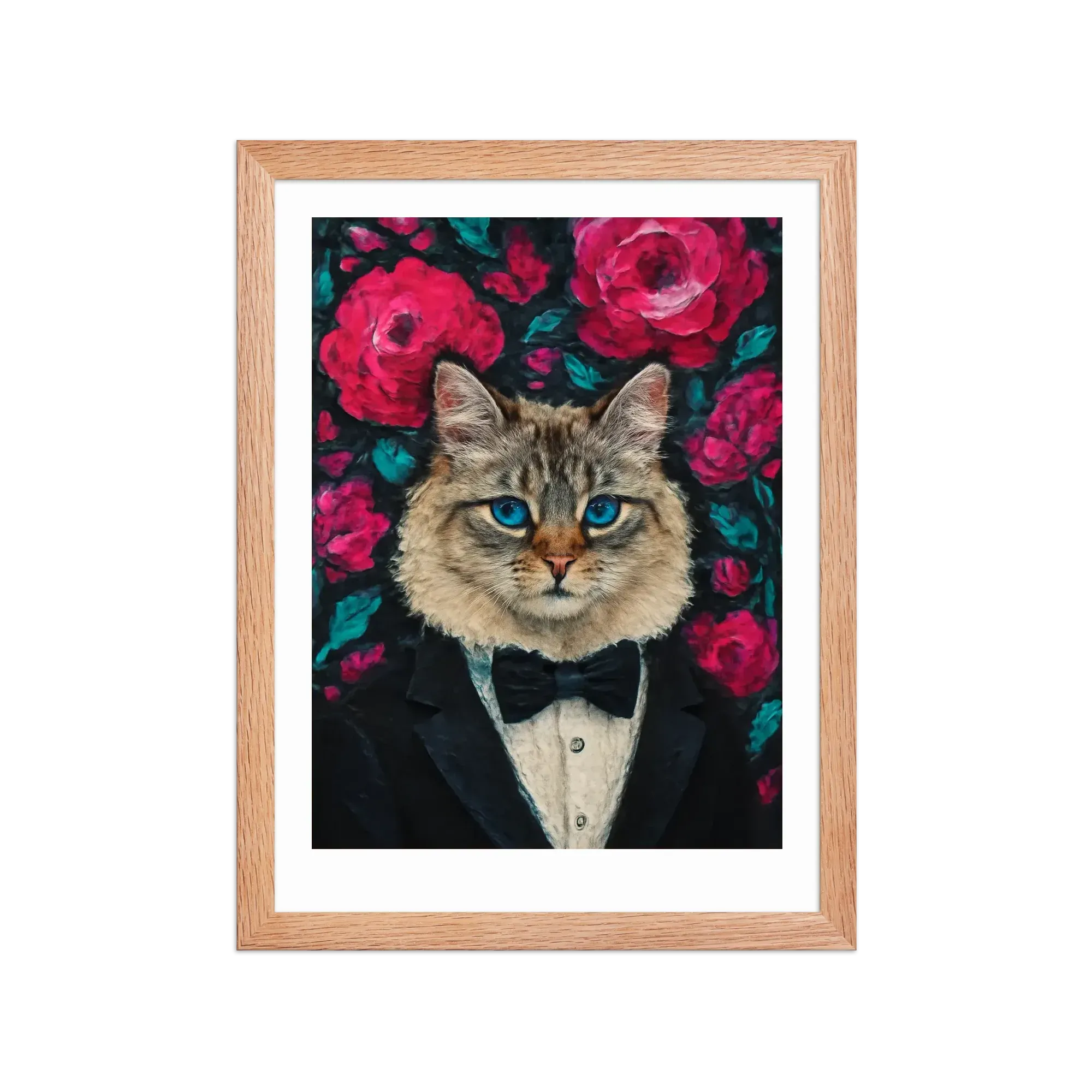
Ready to immortalize your blue-eyed beauty? Create a custom pet portrait in minutes—from elegant classic to whimsical modern. Or browse our Ragdoll portrait gallery for inspiration. Because your floppy friend deserves to be celebrated.