Poodle First 30 Days: Complete New Owner Guide (2026)
Bringing home a Poodle puppy? This comprehensive guide covers everything from Day 1 preparation to Week 4 milestones, with breed-specific tips for their exceptional intelligence and grooming needs.
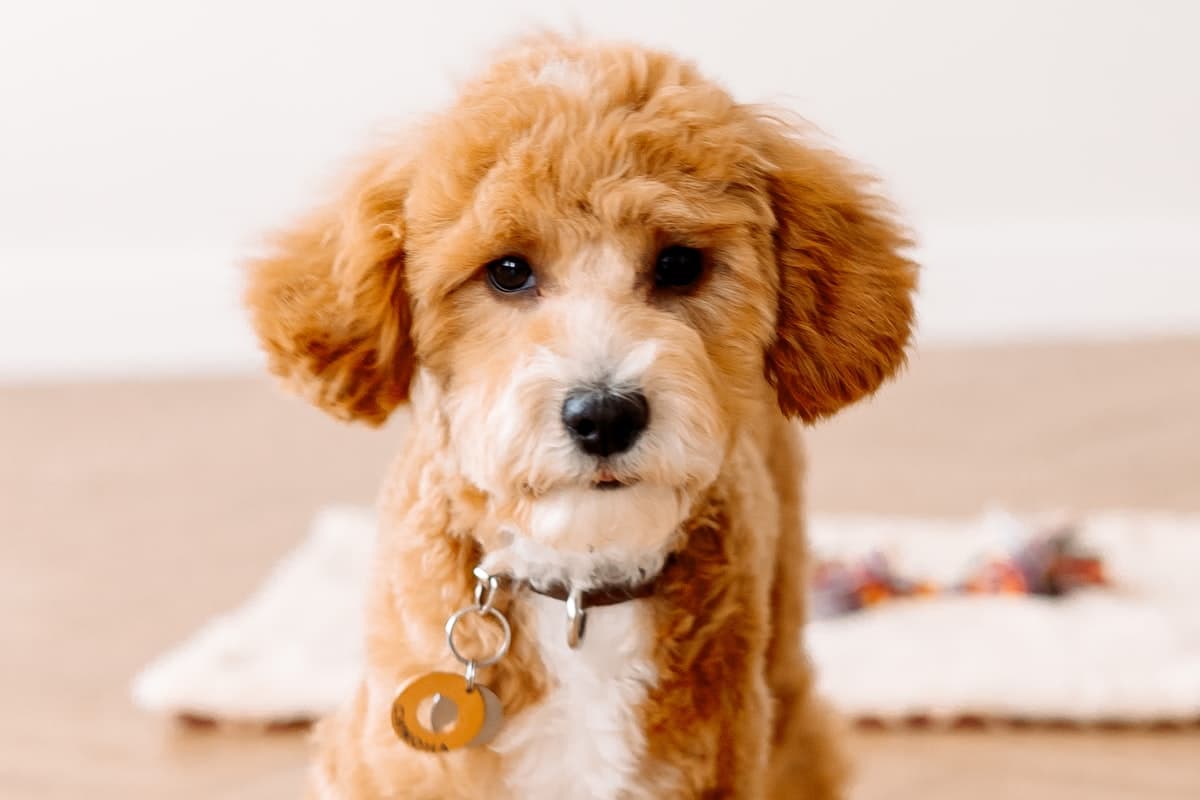
Let's dispel a myth right now: Poodles are not prissy. Behind those fancy haircuts lies one of the most intelligent, athletic, and versatile dogs ever bred. They were originally German water retrievers, bred to plunge into icy lakes and retrieve ducks. The elaborate clips? Functional—they protected joints and vital organs in cold water while reducing drag.
Today's Poodles (whether Standard, Miniature, or Toy) inherit that brilliant, athletic heritage. They consistently rank among the top 2-3 most intelligent dog breeds. They're hypoallergenic (or as close as dogs get). They're natural athletes who excel at everything from agility to therapy work to hunting.
But that exceptional intelligence cuts both ways. An under-stimulated Poodle becomes a destructive, neurotic Poodle. These dogs need mental challenges like other breeds need walks. Prepare for a companion who will learn faster than you expect—and sometimes outsmart you.
Celebrating your new genius? Many Poodle owners commemorate these early weeks with a custom pet portrait. Browse our Poodle portrait collection to see your elegant companion transformed.
Before Day 1: The Poodle Preparation Checklist
Poodle puppies typically come home at 8-10 weeks. Size varies dramatically by variety: Toy Poodles reach 4-6 lbs, Miniatures 10-15 lbs, and Standards 40-70 lbs. Your preparation scales accordingly.
Essential Supplies for Your Poodle Puppy
Appropriately sized crate: 24" for Toys, 30" for Miniatures, 42" for Standards (with divider). Poodles generally crate-train well—they appreciate having a den.
High-quality puppy food: Choose a formula appropriate for your Poodle's size variety. Standards need large-breed puppy food; Toys and Miniatures need small-breed formulas. According to the AKC, Poodles are generally healthy eaters but can be prone to bloat (especially Standards).
Grooming supplies (critical): This is where Poodle ownership differs. You'll need: slicker brush, steel comb, detangling spray, grooming scissors, and nail clippers. Poodle coats require daily attention to prevent matting.
Puzzle toys and mental enrichment: Kong toys, puzzle feeders, snuffle mats, treat-dispensing toys. Poodles need mental challenges from Day 1. This isn't optional.
Training treats: Small, soft, high-value. Poodles are highly food-motivated and learn incredibly fast with the right rewards.
Collar, ID, leash: Adjustable collar for growing puppies. A 4-6 foot leash for training. Consider a harness for Toy and Miniature varieties.
Finding a Groomer
Before your puppy comes home, locate a groomer experienced with Poodles. Professional grooming every 4-6 weeks is standard for this breed. Many groomers offer "puppy introduction" sessions to acclimate young dogs to the grooming process—book one for when your puppy is 12-16 weeks.
Puppy-Proofing for an Intelligent Breed
Poodles figure things out. They watch, they learn, they experiment. Beyond standard puppy-proofing:
- Secure cabinet doors (they'll learn to open them)
- Hide remote controls and small objects (Poodles love to "collect" items)
- Secure trash with locking lids
- Remove anything at puppy height that you value
- Block access to places they shouldn't go—they'll remember the path
Day 1: Bringing Your Poodle Puppy Home
Poodles are sensitive, intuitive dogs who read human emotions accurately. Your calm demeanor on Day 1 sets the tone. They'll pick up on anxiety—so breathe, relax, and enjoy the moment.
The Car Ride Home
Bring a secure carrier or small crate. Have someone sit with the puppy if possible. Poodles are generally good travelers, but the first ride is still stressful. Bring water and paper towels just in case.
First Hours at Home
- Potty break immediately: Carry the puppy to your designated potty spot. Poodles are clean dogs who generally house-train quickly—start the habit now.
- Quiet exploration: Let them sniff one room at a time. Poodles are curious and observant; give them time to process.
- Introduce the crate: Make it cozy with soft bedding. Toss treats inside. Leave the door open.
- Establish your bond: Poodles form intense attachments. Spend quiet time together. Let them sit with you.
- Simple meal: After 1-2 hours of settling, offer a small meal. Poodles are generally enthusiastic eaters.
The First Night
Poodles are companion dogs who dislike isolation. Expect some whining if the crate is in a separate room. Many Poodle owners keep the crate in the bedroom initially, then gradually move it if desired.
Take potty breaks every 3-4 hours for young puppies. Poodles learn quickly—consistent nighttime routine establishes lifelong good habits.
Week 1: Foundation Building (Days 1-7)
Week 1 is about routine, bonding, and beginning to engage that brilliant mind. Poodles need structure—they're happier knowing the rules.
House Training
Good news: Poodles are among the easiest breeds to house-train. They're clean, intelligent, and eager to please. Follow the standard schedule—outside after waking, eating, playing, and every 1-2 hours otherwise.
Watch for signals: circling, sniffing, moving toward the door. Poodles often learn to signal quickly—praise enthusiastically when they do.
Accidents: Clean without drama using enzymatic cleaner. Poodles are sensitive; harsh reactions can create anxiety around elimination.
Feeding Schedule
At 8-12 weeks, feed three times daily. Poodles generally have good appetites but can become picky if you give in to preferences. Feed consistently:
- 7:00 AM — Breakfast
- 12:00 PM — Lunch
- 5:00 PM — Dinner
- For Standards: Avoid exercise 1 hour before and after meals (bloat prevention)
Starting Mental Engagement
From Day 1, begin engaging your Poodle's mind. This is not optional—it's essential for preventing behavioral problems:
- Feed meals in puzzle feeders instead of bowls
- Play simple "find the treat" games
- Rotate toys to maintain novelty
- Talk to your puppy—Poodles are remarkably responsive to verbal communication
- Begin gentle handling for grooming desensitization
Week 2: Training the Genius (Days 8-14)
Here's where Poodle ownership gets exciting. These dogs learn so fast it can feel almost eerie. They'll master basic commands in a fraction of the time other breeds need—then look at you expectantly, asking "What's next?"
Training Philosophy for Poodles
According to canine psychologist Stanley Coren, Poodles are the 2nd most intelligent dog breed (after Border Collies). Training should:
- Use positive reinforcement: Treats, praise, play. Poodles are sensitive; harsh corrections damage trust.
- Keep it varied: Poodles bore quickly. Mix up exercises. Add challenges.
- Stay ahead: Once they've mastered something, move on. Don't drill endlessly.
- Include mental challenges: Trick training, problem-solving, learning object names
- Be consistent: Poodles learn rules quickly—including loopholes. Be clear and consistent.
Week 2 Commands
Most Poodles can learn these within Week 2:
Name recognition: Usually solid within 2-3 days. Say name, treat when they look. They catch on fast.
Sit: Often learned in one session. Lure with treat over head, mark and reward when bottom hits ground.
Down: From sit, lure toward floor. Poodles sometimes resist lying down—use high-value treats.
Come: Start in small spaces. Make coming to you the best thing ever. Poodles generally have reliable recall because they want to be with you.
Stay: You can begin stay during Week 2. Start with 1-2 seconds, gradually extend.
Grooming Introduction
Begin daily grooming habits now. Poodle coats require lifelong maintenance—the earlier they accept handling, the easier grooming will be forever:
- Daily brushing: Even if the coat is still minimal, practice. Use a slicker brush gently.
- Paw handling: Touch all four paws, separate toes, hold for a few seconds. Treat.
- Face touching: Handle ears, lift lips to see teeth, touch around eyes.
- Body exploration: Run hands over entire body daily.
Make every grooming session positive with treats. You're building tolerance for a lifetime of professional grooming.
Week 3: Socialization and World Exploration (Days 15-21)
Week 3 falls within the critical socialization window (8-16 weeks). Poodles are naturally confident dogs, but proper socialization ensures that confidence extends to new situations throughout life.
The Socialization Checklist
Expose your Poodle puppy (positively!) to:
People:
- All ages, appearances, and dress styles
- People in uniforms
- People with beards, hats, sunglasses
- People using wheelchairs, walkers, canes
- Enthusiastic children (supervised—teach gentle handling)
Environments:
- Pet-friendly stores (carry if not fully vaccinated)
- Outdoor cafes
- Different floor surfaces
- Car rides to various locations
- Urban sounds and sights
Other animals:
- Vaccinated, friendly dogs
- Cats (if you have them or plan to)
- Farm animals from a distance if accessible
Puppy Classes
Enroll in a positive-reinforcement puppy class. Poodles often excel and may need to be challenged beyond basic curriculum. A good instructor will recognize this and adapt.
Preventing "Only Dog" Syndrome
Poodles bond intensely with their owners. This is wonderful—but ensure they're comfortable with other people and dogs too. Practice having friends handle and train your puppy. Arrange puppy playdates. Prevent over-attachment that leads to separation anxiety.
Week 4: Establishing Advanced Foundations (Days 22-30)
By Week 4, most Poodle puppies have mastered basics that take other breeds weeks longer. Your job now is channeling that intelligence into appropriate outlets and preventing boredom.
Beyond Basic Commands
Week 4 Poodles are often ready for:
- Trick training: Shake, spin, play dead. Poodles love tricks.
- Object names: Start teaching names of toys. Poodles can learn dozens of item names.
- Problem-solving games: Hide treats under cups, simple scent work
- Impulse control: "Leave it," waiting for meals, staying when the door opens
Exercise Appropriate for Age
Use the 5-minutes-per-month-of-age rule for structured exercise. At 12 weeks, that's about 15 minutes of walking twice daily. Poodles are athletes, but their joints are developing.
Add mental exercise: Training sessions tire Poodles faster than physical exercise. A 10-minute training session can be equivalent to a 30-minute walk for brain fatigue.
Coat Care Progression
As your Poodle puppy grows, the coat changes. The puppy coat will transition to adult coat between 9-18 months. This transition period is mat-prone. By Week 4:
- Brushing should be established as a daily routine
- Your puppy should accept handling calmly
- First groomer visit scheduled for 12-16 weeks
- Decide on a maintenance clip (puppy cut is common for pets)
Preventing Boredom Behaviors
Signs of under-stimulation in Poodles:
- Destructive chewing
- Excessive barking
- "Collecting" items and guarding them
- Demand behaviors (pawing, nudging constantly)
- Self-directed behaviors like chasing tail or shadow
Solution: More mental stimulation. Add training, rotate toys, try new puzzle feeders, introduce scent games, consider future activities (agility, obedience competition, therapy work).
Your 30-Day Poodle Milestone Timeline
| Day | Milestone | Notes |
|---|---|---|
| 1 | Bring puppy home | Calm introduction, crate positive |
| 2-3 | Routines established | Feeding, potty, sleep schedule |
| 4-5 | Name recognition | Usually solid by Day 5 |
| 6-7 | First vet visit | Vaccines, health check |
| 8-10 | Sit and down learned | Often mastered in 1-2 sessions |
| 11-14 | Daily grooming routine | Brushing, handling accepted |
| 15-18 | Come and stay started | Recall usually reliable indoors |
| 19-21 | Puppy class enrollment | Socialization + training |
| 22-25 | First tricks learned | Shake, spin, etc. |
| 26-28 | Groomer visit scheduled | Introduction appointment |
| 29-30 | Assessment and planning | Identify next training goals |
Frequently Asked Questions
Do Poodles really not shed?
Poodles have hair, not fur, and they shed minimally—hair that falls out gets trapped in the coat instead of dropping. This is why matting is a concern and regular grooming is essential. They're considered hypoallergenic, though no dog is 100% allergen-free.
How often do Poodles need professional grooming?
Every 4-6 weeks for most maintenance clips. Between appointments, daily brushing prevents mats. Some owners learn to groom at home, but professional grooming equipment is expensive and there's a learning curve.
Are Poodles really that intelligent?
Yes. Poodles consistently rank #2 in canine intelligence testing (after Border Collies). They typically learn new commands in under 5 repetitions and obey first commands 95% of the time. This means they also learn bad habits quickly and can be manipulative if you're not consistent.
What size Poodle should I get?
All three sizes share the same temperament and intelligence—only size differs. Toys (under 10") suit apartment living and travel. Miniatures (10-15") are versatile family dogs. Standards (over 15") need more space and exercise but are often calmer. Choose based on living situation and lifestyle.
Do Poodles bark a lot?
Poodles are alert and will bark at novel situations—they make good watchdogs. However, excessive barking usually indicates boredom or under-stimulation. A mentally fulfilled Poodle is a quieter Poodle. Address the underlying need rather than just correcting the barking.
Celebrate Your Brilliant Companion
These first 30 days are just the beginning of an extraordinary partnership. Poodles aren't just pets—they're collaborators. They watch you, learn from you, and sometimes seem to anticipate what you'll do next. Living with a Poodle means living with an intelligent creature who engages with life fully.
Your Poodle will learn tricks that amaze your friends, solve problems you didn't know existed, and bond with you in ways that feel almost telepathic. They'll demand your mental engagement and reward it tenfold.
That elegant profile, those intelligent eyes, that curly coat—your Poodle is a masterpiece worth commemorating.
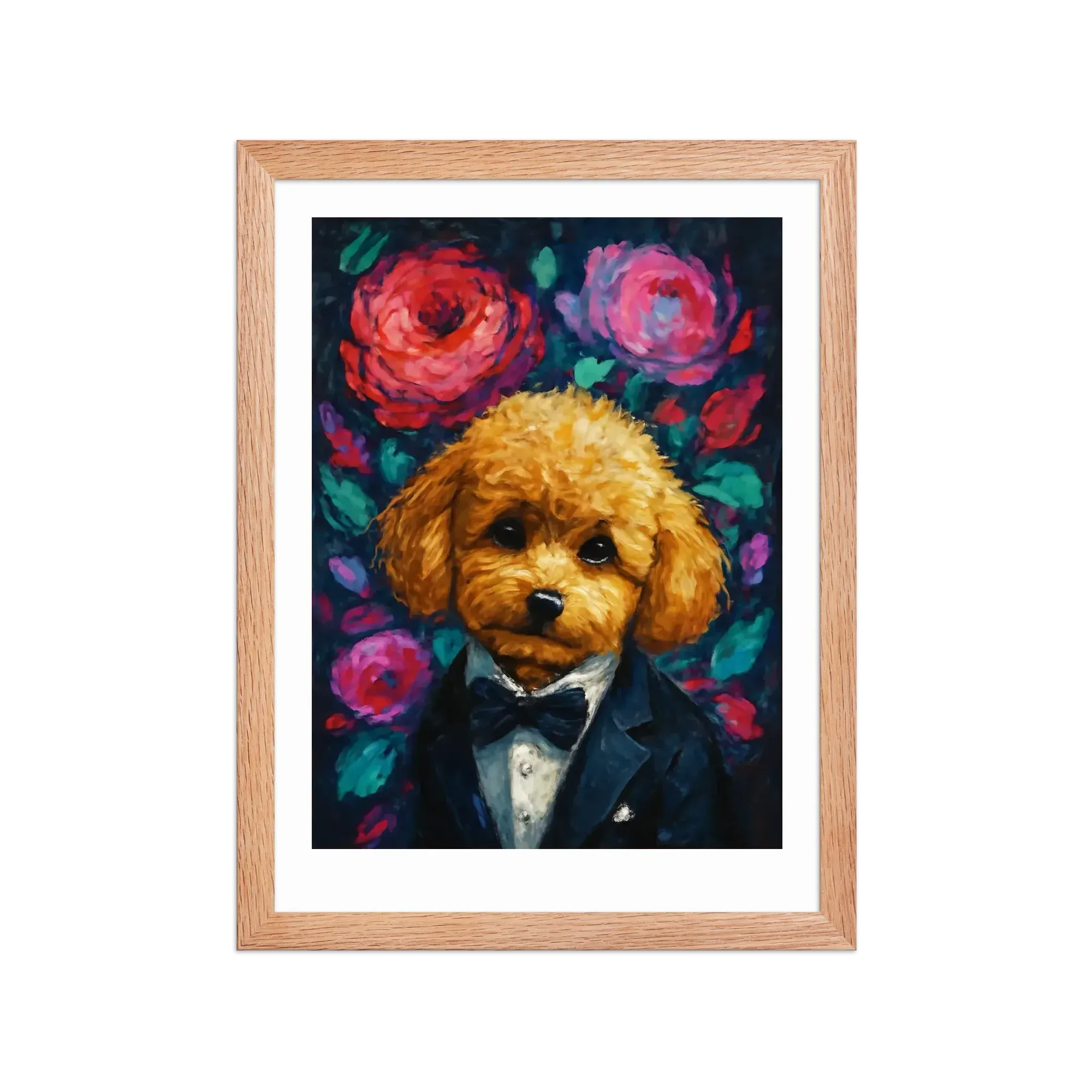
Ready to immortalize your Poodle's elegance? Create a custom pet portrait in minutes—from classical Renaissance to modern pop art. Or browse our Poodle portrait gallery for inspiration. Because your brilliant companion deserves to be celebrated.