Persian Kitten First 30 Days: Complete New Owner Guide (2026)
Bringing home a Persian kitten? This comprehensive guide covers everything from Day 1 preparation to Week 4 milestones, with breed-specific tips for grooming their luxurious coat, managing tear staining, and understanding brachycephalic care.
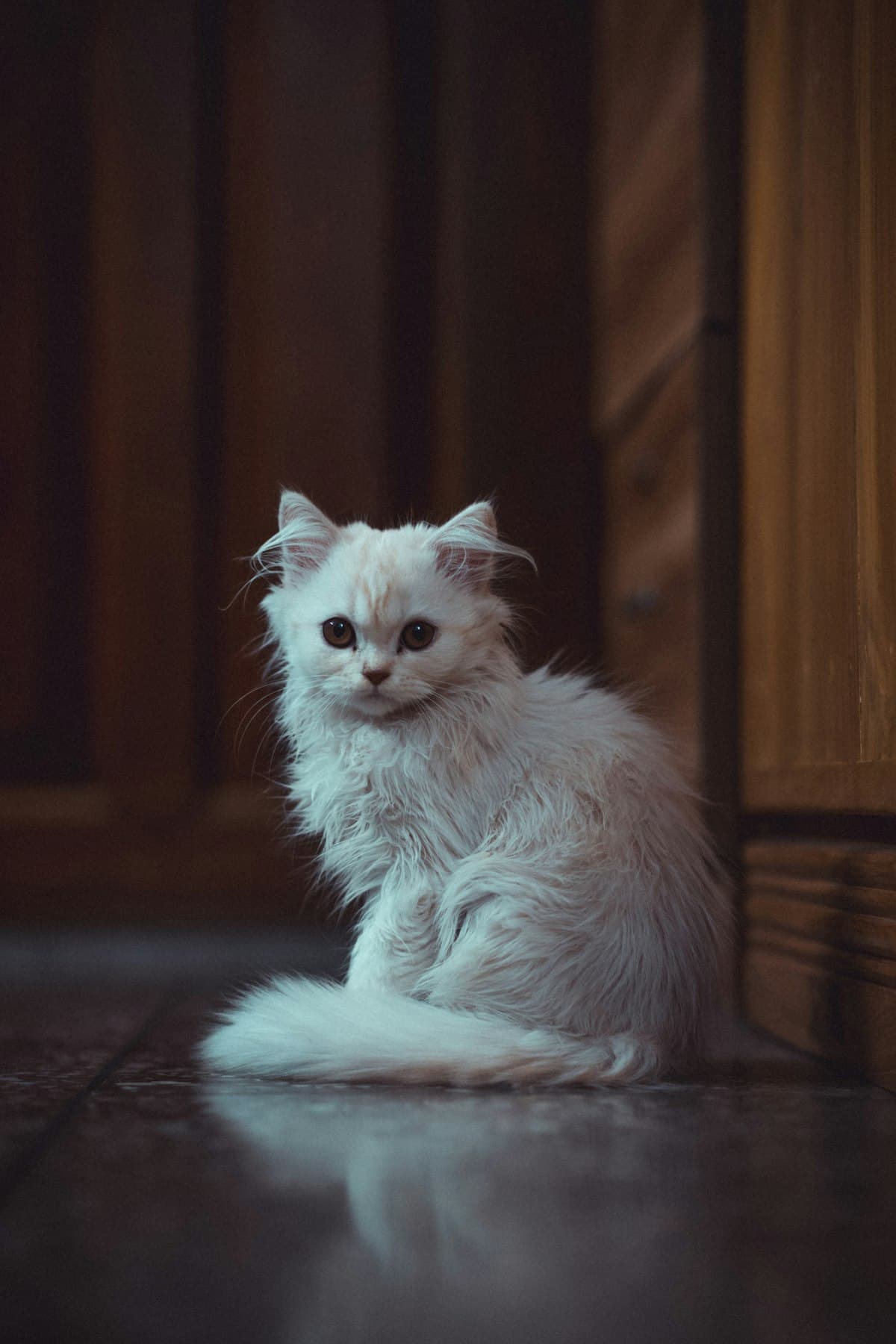
There's a reason royalty and Hollywood stars have chosen Persian cats for centuries. With their flowing silk coats, sweet pansy faces, and serene dispositions, Persians are living works of art—the feline equivalent of a cashmere sweater that purrs. But behind that glamorous exterior lies a breed that requires more dedicated care than almost any other cat.
Here's what seasoned Persian owners know: these cats aren't high-maintenance because they're demanding—they're high-maintenance because they're worth it. Their flat faces need daily attention, their coats require committed grooming, and their gentle souls need patient, loving guidance. In return, you'll have a companion whose quiet devotion and regal presence transforms any home into a palace.
This guide covers your first 30 days with a Persian kitten—from assembling the right grooming arsenal to understanding their unique health needs, establishing routines that prevent matting and tear staining, and helping your fluffy aristocrat adjust to their new kingdom.
Welcoming a new furry family member? Many Persian owners commemorate these precious early weeks with a custom pet portrait—capturing that kitten floof before they grow into their full majestic glory. Or explore our Persian portrait collection for style inspiration.
Before Day 1: The Persian Kitten Preparation Checklist
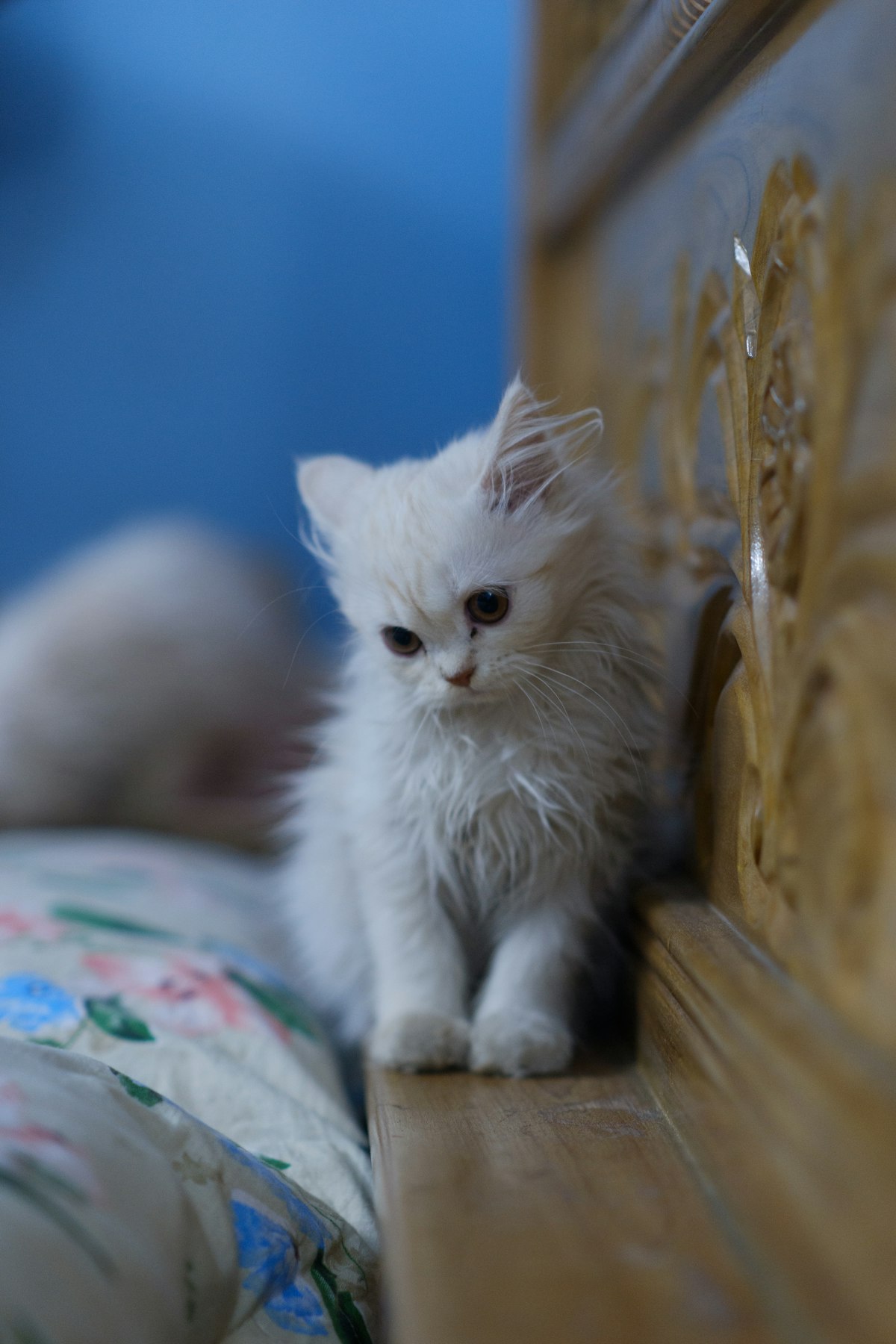
Persian kittens typically go to their new homes between 12-16 weeks old. Reputable breeders keep them longer than other breeds because Persians mature slowly and need extra time with their mother and siblings to develop properly. By the time your kitten arrives, they should be weaned, litter trained, and have started their vaccination series.
But your preparation begins well before pickup day. Persians have unique needs that require specific supplies—many of which you won't find in standard "new kitten" checklists.
Essential Supplies for Your Persian Kitten
Grooming Tools (Non-negotiable): According to grooming experts at Carniwel, Persians require a specific toolkit:
- Metal wide-tooth comb (7.5 inch): Your most important tool. Get one with both wide-tooth and narrow-tooth sections. Use this daily—combing down to the skin to prevent mats.
- Slicker brush: For finishing and fluffing, but never as a substitute for combing. Slicker brushes only work on the surface coat.
- Dematting comb: Because even with daily grooming, mats happen. A stainless steel dematting tool with safety edges is gentler than scissors.
- Flea comb: Fine-toothed, useful for face grooming around delicate eye areas.
- Cat nail clippers: Start early—Persian kittens need nail trims every 10-14 days.
- Blunt-tipped grooming scissors: For trimming the "sanitary area" and preventing litter clumping in coat.
Eye Care Supplies: Persian cats have excessive tearing due to their facial structure—85-90% of Persians experience some degree of epiphora (tear overflow). You'll need:
- Eye wipes: Hypoallergenic, fragrance-free cat eye wipes (or plain saline on soft gauze). Never use baby wipes, makeup removers, or products with alcohol—these can damage the cornea.
- Soft cotton pads: Use a separate pad for each eye to prevent cross-contamination.
- Tear stain remover: For persistent staining, choose a cat-safe product without tylosin (an antibiotic that can cause resistance).
Litter Box Setup: Persians need special consideration here:
- Low-sided litter box: Persian kittens are compact and their long coats can drag in high-walled boxes. A low entry (3-4 inches) makes access easier and keeps fur cleaner.
- Large size: Despite their smaller stature, Persians prefer spacious boxes. Go bigger than you think necessary.
- Low-tracking litter: Many Persian owners swear by pellet litter systems like Tidy Cats Breeze—99.9% dust-free and prevents litter from clinging to fur.
- Litter mat: A double-layer mat captures pellets that escape those fluffy paw tufts.
Food and Water:
- Shallow, wide food dish: Persian flat faces make deep bowls uncomfortable. Choose dishes that don't touch their whiskers.
- Water fountain: Many Persians prefer flowing water, and fountains encourage hydration (crucial for kidney health).
- High-quality kitten food: Ask your breeder what they've been feeding and continue with the same brand initially to prevent digestive upset.
Comfort and Safety:
- Cozy bed: Persians love soft, plush sleeping spots. A donut-style bed or heated pad provides the comfort they crave.
- Cat carrier: Hard-sided with good ventilation. Persians can overheat easily, so avoid enclosed carriers without airflow.
- Scratching post: Despite their dignified demeanor, Persians need to scratch. A sturdy sisal post saves your furniture.
- Air conditioning consideration: Persians are sensitive to heat. If you live in a warm climate, ensure your home stays cool.
Kitten-Proofing Your Home
Persians are generally less acrobatic than other breeds, but they're still curious kittens. Standard kitten-proofing applies:
- Secure electrical cords and blind strings
- Remove toxic plants (lilies are especially deadly to cats)
- Store medications, cleaning supplies, and small objects
- Check that windows and balconies are secure—even "lazy" Persians can fall
- Create a "safe room" where your kitten will initially stay
Day 1: Welcoming Your Persian Kitten Home
The journey home is stressful for any kitten, but Persians' brachycephalic (flat-faced) anatomy makes it especially important to minimize stress. International Cat Care notes that flat-faced cats can have difficulty breathing under stress, making calm transitions essential.
The Journey Home
- Transport in a secure carrier with good ventilation
- Keep the car cool—never place carrier in direct sunlight
- Line carrier with absorbent pads (stress can cause accidents)
- Speak softly and avoid loud music
- Drive gently—motion sickness is common
The First Few Hours
Bring your kitten directly to their designated "safe room"—a quiet space with food, water, litter box, bed, and some hiding spots. This could be a bedroom, bathroom, or spare room. The goal is to avoid overwhelming them with your entire home at once.
- Open the carrier door and wait. Let the kitten emerge on their own timeline. Some venture out immediately; others need an hour or more. Don't force interaction.
- Show them the litter box. Gently place the kitten in the litter box so they know where it is. They likely won't use it immediately, but they'll remember.
- Offer water, then food. After 30-60 minutes of quiet exploration, offer water. Wait another hour before offering a small meal—stress can cause digestive upset.
- Limit visitors. Resist the urge to parade friends and family through. Persian kittens need time to decompress before meeting everyone.
The First Night
Keep the kitten in their safe room overnight. If they cry, it's normal—they miss their littermates and mother. You can:
- Leave a nightlight on (kittens don't see well in complete darkness)
- Place a ticking clock wrapped in a towel (mimics mother's heartbeat)
- Provide a snuggle toy or warmed blanket
- Sit quietly nearby (your presence comforts them without overstimulating)
Do not let the kitten sleep in your bed the first night. Establish sleeping arrangements you want long-term, as Persians are creatures of habit.
Week 1: Adjustment and Foundation (Days 1-7)
Week 1 is about adjustment, not training. Your kitten is processing a major life change. According to Persian Cat Corner, the primary goals this week are: establishing routine, beginning gentle handling, and letting your kitten set the pace for bonding.
Establishing Safe Spaces
Persians are naturally reserved and appreciate having retreat options. During Week 1:
- Keep the safe room as home base, but you can begin supervised exploration of other areas after Day 3
- Provide hiding spots (cardboard boxes, cat caves, under-bed access)
- Keep noise levels low—avoid vacuuming, loud music, or TV near the kitten
- If you have other pets, keep them completely separated this week
Litter Training
Persian kittens from reputable breeders typically arrive already litter trained. Your job is simply to maintain consistency:
- Use the same litter type the breeder used initially
- Keep the box clean—Persians are fastidious and may refuse a dirty box
- Place the box in a quiet, accessible location away from food and water
- If accidents occur, clean thoroughly with enzymatic cleaner and consider whether the box location needs adjustment
Fur management tip: Trim the fur around your kitten's "sanitary area" to prevent litter clumping and fecal matter sticking. Use blunt-tipped scissors and be extremely careful, or have your vet or groomer do this.
Feeding Schedule
At 12-16 weeks, feed your Persian kitten 3-4 small meals per day. Persian flat faces can make eating difficult—watch for food being pushed out of the bowl or scattered around. Signs you may need to adjust:
- Food on face: Use shallower dishes or elevated feeders
- Slow eating: Normal for Persians; don't rush them
- Messy drinking: Some Persians dunk their faces in water; keep water fresh and use a mat underneath
First Vet Visit
Schedule a vet appointment within the first week. Bring:
- All paperwork from the breeder (vaccination records, health guarantee, registration)
- A stool sample for parasite testing
- A list of questions about Persian-specific care
Discuss with your vet:
- Vaccination schedule completion
- PKD (Polycystic Kidney Disease) testing if not done by breeder
- Brachycephalic health assessment—is breathing normal?
- Dental check (Persians are prone to dental malocclusion)
- Parasite prevention plan
Week 2: Basic Handling and Beginning Grooming (Days 8-14)
By Week 2, your kitten should be settling in. Now begins the crucial work of establishing grooming routines—the single most important skill Persian owners must develop.
Teaching Grooming Acceptance
As Purrinlot emphasizes: "Start grooming your baby early. Clean baby's eyes every day and spot clean wherever you observe staining. Comb their little bodies once a day as well to avoid any baby tangles."
The key to grooming success is starting young and keeping sessions positive:
Begin with 2-3 minute sessions:
- Place kitten on your lap or a stable surface at comfortable height
- Gently stroke with your hand, then introduce the comb
- Comb small sections—start with areas they enjoy (back, shoulders)
- End with treats and praise before the kitten becomes restless
- Gradually increase duration over the coming weeks
Daily Eye Cleaning Routine:
According to Chewy's Persian grooming guide, "Wipe your Persian's eyes with a damp, clean cloth (no soap) once or twice a day. Don't rub the eyeball directly."
- Use a separate soft, damp cotton pad for each eye
- Gently wipe from the inner corner outward
- Clean any discharge that has accumulated in the facial folds
- Pat dry with a clean cloth
- Reward with a treat
Important: Persian kittens may tear more during teething (which begins around 3-4 months). Extra vigilance with eye care during this period prevents infections.
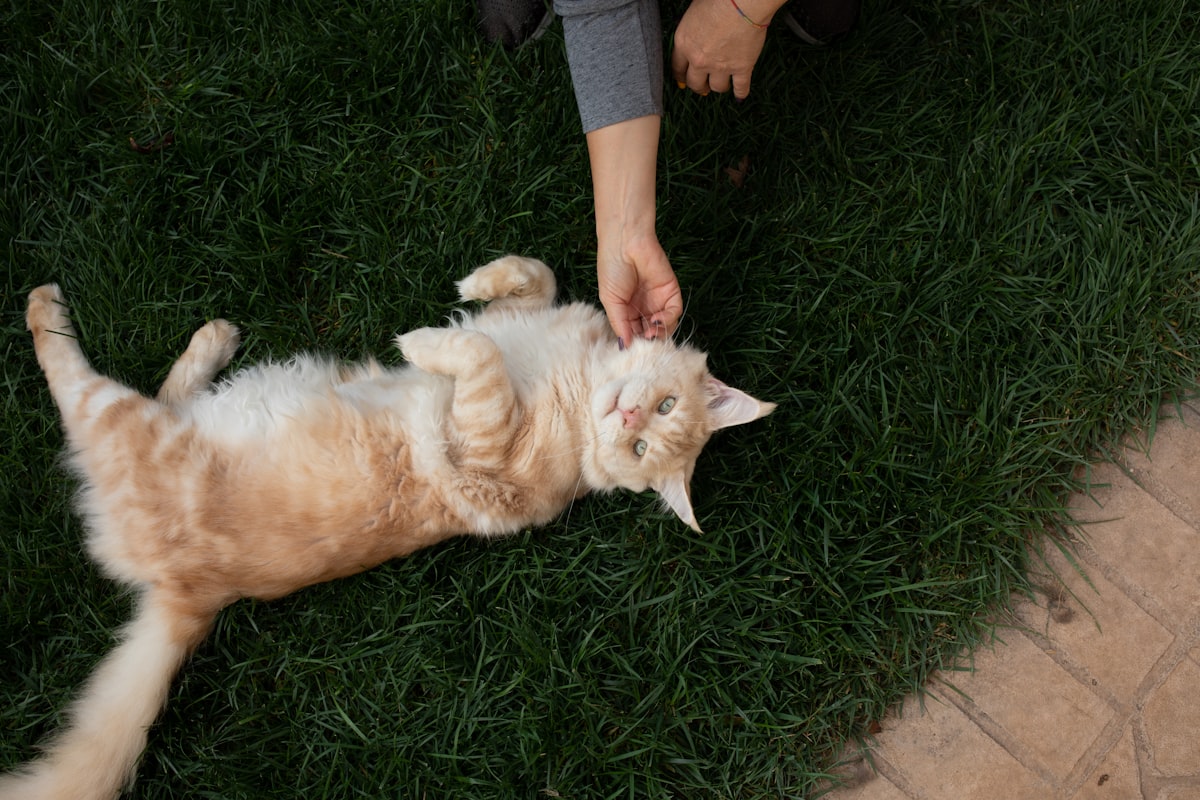
Teaching the "Belly Up" Position
Experts emphasize that teaching a Persian to lie calmly on their back while you groom their underside is critically important. This is where mats form most easily—armpits, belly, and between back legs.
- Practice gentle handling of feet, ears, and face
- Turn the kitten over briefly while offering treats
- Keep sessions short and always end positively
- Never punish resistance—simply end the session and try again later
Nail Trimming Introduction
Begin handling paws daily, pressing gently to extend nails. According to Pelaqita Persians, front nails should be clipped twice as often as back nails. Aim for every 10-14 days.
- Use cat-specific nail clippers (not human clippers)
- Only trim the clear tip—avoid the pink quick
- One or two nails per session is fine for beginners
- If you cut the quick, apply styptic powder and remain calm
Week 3: Gentle Socialization (Days 15-21)
While Persians are naturally calm and less prone to behavioral problems than high-energy breeds, socialization still matters. As Chewy's behavior guide notes: "Persian cats are typical lap cats when well socialized as young kittens."
The Persian Approach to Socialization
Persians don't need extreme socialization like working dog breeds, but they benefit from calm, positive exposure to:
People:
- Introduce family members one at a time
- Allow visitors after Week 2, but limit to 1-2 people at a time
- Teach children to approach calmly and let the kitten come to them
- Men with deep voices or beards may need extra introduction time
Sounds:
- Vacuum cleaners (run in distant room first, gradually closer over days)
- Doorbell, phone ringtones
- TV and music at moderate volumes
- Kitchen sounds (blender, food processor)
Handling:
- Being picked up and held in different positions
- Examination of ears, eyes, mouth, paws
- Being placed in carrier (practice before vet visits)
- Brief confinement in bathroom while vacuuming
Introducing Other Pets
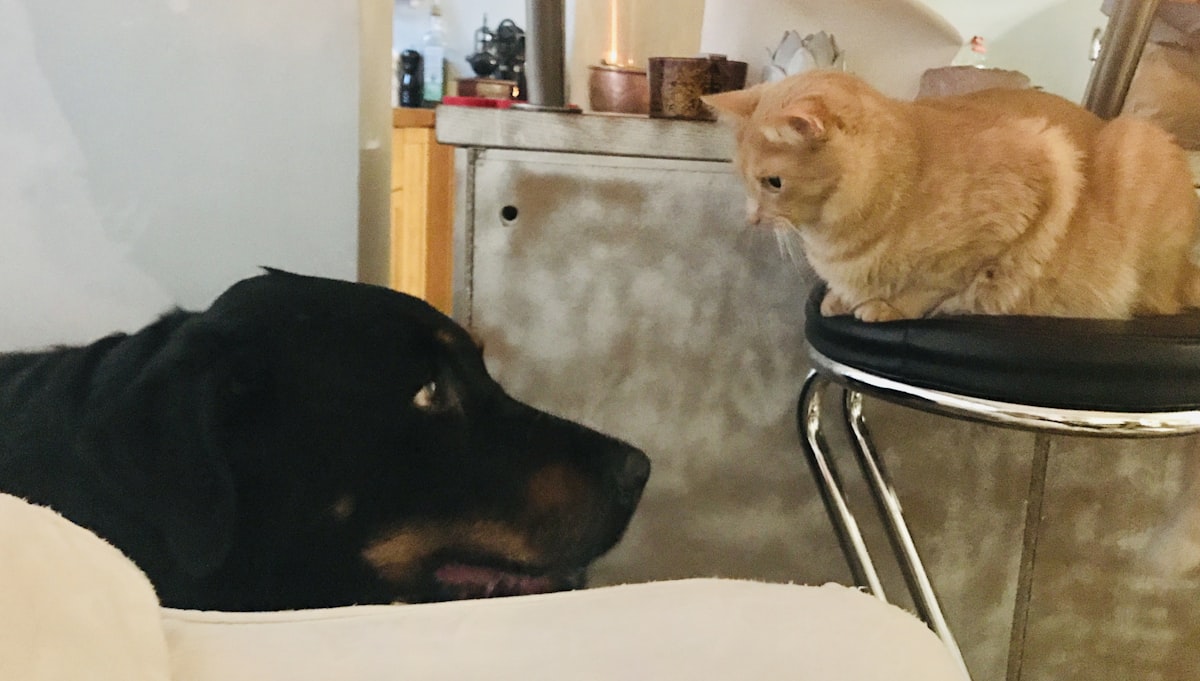
If you have existing cats or dogs, Week 3 is when careful introductions can begin:
- Scent exchange first: Swap bedding between pets for a few days
- Visual introduction through barrier: Use a baby gate or cracked door
- Supervised face-to-face: Short sessions with treats, ready to separate
- Gradual increase: Never force interaction; let pets set the pace
According to Purebred Kitties, Persians naturally bond with gentle people and could get along with other laid-back pets, as long as they are well socialized, introduced slowly, and their needs are respected.
Play and Interaction
Persian kittens play more gently and briefly than many breeds, but they still need stimulation:
- Feather wands and fishing rod toys (low-energy hunting)
- Crinkle balls and soft toys they can bat
- Short play sessions (5-10 minutes) several times daily
- Puzzle feeders for mental stimulation
Don't worry if your Persian seems less playful than other kittens you've known. The breed tends toward calm observation and prefers gentle interaction over wild play.
Week 4: Health Focus and Establishing Lifelong Routines (Days 22-30)
By Week 4, your Persian kitten should be well-adjusted to their new home. Now it's time to focus on the health practices that will keep your glamorous companion thriving for years to come.
Understanding Brachycephalic Care
Persians are brachycephalic (flat-faced), which creates several health considerations. According to VCA Animal Hospitals, "Brachycephalic cats have difficulty breathing due to a very narrow external opening of the nose (stenotic nares), narrow nasal passages, and/or a relatively long soft palate."
Normal breathing for a Persian:
- Soft snoring when sleeping is common and usually harmless
- Slight snuffling sounds during exertion can be normal
- Breathing should be quiet when at rest and awake
Warning signs requiring veterinary attention:
- Open-mouth breathing: Never normal in cats—this is an emergency
- Loud breathing or wheezing while awake
- Blue-tinged gums or tongue
- Excessive fatigue after minimal activity
- Gagging, retching, or difficulty swallowing
Managing breathing issues:
- Keep your cat at a healthy weight—obesity worsens breathing problems
- Keep home cool, especially in summer
- Reduce respiratory irritants (smoke, strong perfumes, dusty litter)
- Minimize stress, which can trigger breathing difficulties
- Avoid excessive exercise or play in hot weather
Eye Care Mastery
By now, daily eye cleaning should be routine. As your kitten matures, continue this practice for life. Tear staining (red-brown discoloration around the eyes) is common and mostly cosmetic, but heavy staining or sudden changes warrant vet attention.
Managing tear staining:
- Clean eyes twice daily if staining is significant
- Keep facial fur trimmed (or have groomer do this)
- Use stainless steel water bowls (plastic can worsen staining)
- Consider filtered water if tap water is high in minerals
- Ask your vet about tear stain supplements if staining is severe
Coat Maintenance: The Daily Commitment
According to Eye Envy, professional groomers recommend brushing your Persian for 15-20 minutes daily, working in sections from head to tail.
By Week 4, you should be combing daily. The routine:
- Start with the wide-tooth comb: Work through the entire coat, combing down to the skin (not just surface fluffing)
- Pay attention to mat-prone areas: Armpits, behind ears, belly, and "pants" (back leg fur)
- Check the tail: Often overlooked and prone to tangles
- Use the slicker brush: Finish with gentle brushing to fluff and distribute oils
- Inspect eyes, ears, and nails: Part of the daily routine
Bathing: Plan for monthly baths once your kitten is comfortable with grooming. Untamed recommends starting at around 7 weeks to get kittens used to water. Use cat-specific moisturizing shampoo and rinse thoroughly—residue causes skin irritation.
PKD Awareness
Polycystic Kidney Disease affects approximately one in three Persian cats. It's a genetic condition causing fluid-filled cysts to form in the kidneys, eventually leading to kidney failure.
What responsible owners should know:
- PKD is inherited as an autosomal dominant trait—if a cat has the gene, it will develop PKD
- Cysts are present at birth and can be detected via ultrasound as early as 6 months
- Genetic testing is available and should be done before breeding
- If your breeder hasn't tested parents, ask your vet about testing your kitten
- Clinical signs typically appear around 7 years old but can vary
PKD cannot be cured, but early detection allows for supportive care that can extend quality of life. According to Cornell University College of Veterinary Medicine, therapeutic diets, fluid therapy, and medications can help manage symptoms.
Dental Care Foundation
Persian jaw structure can cause dental crowding and malocclusion. PetMD notes that "Persian cats may be at an increased risk of dental disease due to their flat face, which can cause their teeth to be overcrowded."
Start dental care habits now:
- Handle the mouth daily—lift lips, touch teeth
- Introduce kitten-safe toothpaste on your finger
- Progress to a finger brush or soft cat toothbrush
- Provide dental treats and toys
- Schedule regular veterinary dental checkups
30-Day Milestone Table
Use this table to track your Persian kitten's progress:
| Milestone | Target | Notes |
|---|---|---|
| Comfortable in safe room | Day 3-5 | Eating, drinking, using litter box consistently |
| Exploring rest of home | Day 5-10 | Supervised access to other rooms |
| Accepting daily eye cleaning | Day 7-10 | Allows cleaning without significant resistance |
| Tolerating 5-minute combing sessions | Day 10-14 | Can comb most areas with treats |
| First nail trim completed | Day 14 | Even just a few nails counts |
| Met all family members | Day 14-21 | Comfortable with regular household members |
| First vet visit complete | Day 7-10 | Health check, vaccinations updated |
| Comfortable being picked up | Day 21 | Relaxes when held, doesn't scramble to escape |
| Introduced to other pets (if applicable) | Day 21-30 | Calm coexistence, even if not best friends yet |
| Full grooming routine established | Day 30 | Daily combing, twice-daily eye care, regular nail trims |
| Carrier training started | Day 30 | Enters carrier voluntarily for treats |
| Sleep routine established | Day 30 | Knows where they sleep, settles at bedtime |
Frequently Asked Questions
How much time does Persian grooming really require?
Plan for 15-20 minutes of combing daily, plus 2-5 minutes for eye cleaning twice daily. Monthly bathing adds another 30-60 minutes (including drying time). It sounds like a lot, but most Persian owners find grooming becomes a relaxing bonding ritual. If you skip days, you'll spend significantly more time dealing with mats—so consistency actually saves time long-term.
Why does my Persian kitten have tear stains, and can I prevent them?
Tear staining is nearly universal in Persians due to their facial structure. Their shortened tear ducts can't efficiently drain tears, so they overflow onto the face. You can't completely prevent staining, but you can minimize it through twice-daily cleaning, using stainless steel bowls (red yeast that causes staining can grow in plastic), and keeping facial fur trimmed. Some staining is cosmetic and harmless; suddenly increased tearing or discharge could indicate infection and warrants a vet visit.
Is my Persian kitten's breathing normal? They snore and snuffle.
Some degree of snoring during sleep and mild snuffling during excitement is normal for flat-faced breeds. However, if your kitten breathes with mouth open, makes loud breathing sounds while awake and at rest, shows blue-tinged gums, or seems excessively fatigued, seek veterinary care immediately. Open-mouth breathing in cats is always an emergency. Regular veterinary checkups help monitor for brachycephalic airway issues.
How do I know if my Persian has PKD?
PKD is a genetic condition present from birth, but symptoms typically don't appear until middle age (around 7 years). The most reliable early detection is genetic testing (a cheek swab) or ultrasound screening after 6 months. Reputable breeders test their breeding cats and can provide documentation. If you're uncertain about your kitten's PKD status, ask your vet about testing. Early detection allows for supportive care that can maintain quality of life.
My Persian kitten doesn't play much—is something wrong?
Persians are naturally calm and sedate compared to other breeds. They prefer gentle play and may tire quickly. A Persian kitten that spends most of the day lounging, observing, and napping is behaving normally for the breed. However, complete lack of interest in play, hiding constantly, or refusing to eat could indicate illness or stress. If your kitten's behavior suddenly changes, consult your vet. The key is knowing your individual kitten's baseline—some Persians are more playful than others.
Beyond 30 Days: Your Persian Journey Continues
The first month establishes the foundation, but Persian ownership is a long-term commitment to daily grooming and attentive care. Here's what to expect as your kitten matures:
- Months 4-6: Teething may increase tear production; adult coat begins coming in (expect more grooming needs)
- Months 6-12: Spay/neuter (discuss timing with your vet); full adult coat develops
- Year 1-2: Physical maturity; personality fully emerges
- Ongoing: Annual vet checkups, dental care, and daily grooming for life
Consider professional grooming appointments every 4-6 weeks if maintaining the coat becomes overwhelming. Many Persian owners find a "lion cut" practical during summer months—it's perfectly acceptable and reduces grooming burden significantly while the coat regrows.
Celebrate Your Aristocratic Companion
You've brought home one of the world's most beautiful and gentle cats. Yes, Persians require more care than the average feline—but their devoted, calm, and loving presence makes every minute of grooming worthwhile. These are cats that elevate home life, bringing an air of grace and tranquility that no other breed quite matches.
These early weeks—when your kitten is all fluff and enormous eyes, still learning to trust you—are precious. The messy face that needs cleaning, the tiny mats you're learning to comb out, the soft purr when they finally settle in your lap: these are moments you'll treasure as your kitten grows into a magnificent adult.

Ready to immortalize your Persian's kitten days? Create a custom pet portrait that captures their regal beauty—from classic oil painting styles to modern pop art. Or browse our Persian portrait gallery for inspiration. Because a cat this glamorous deserves to be celebrated as the work of art they truly are.