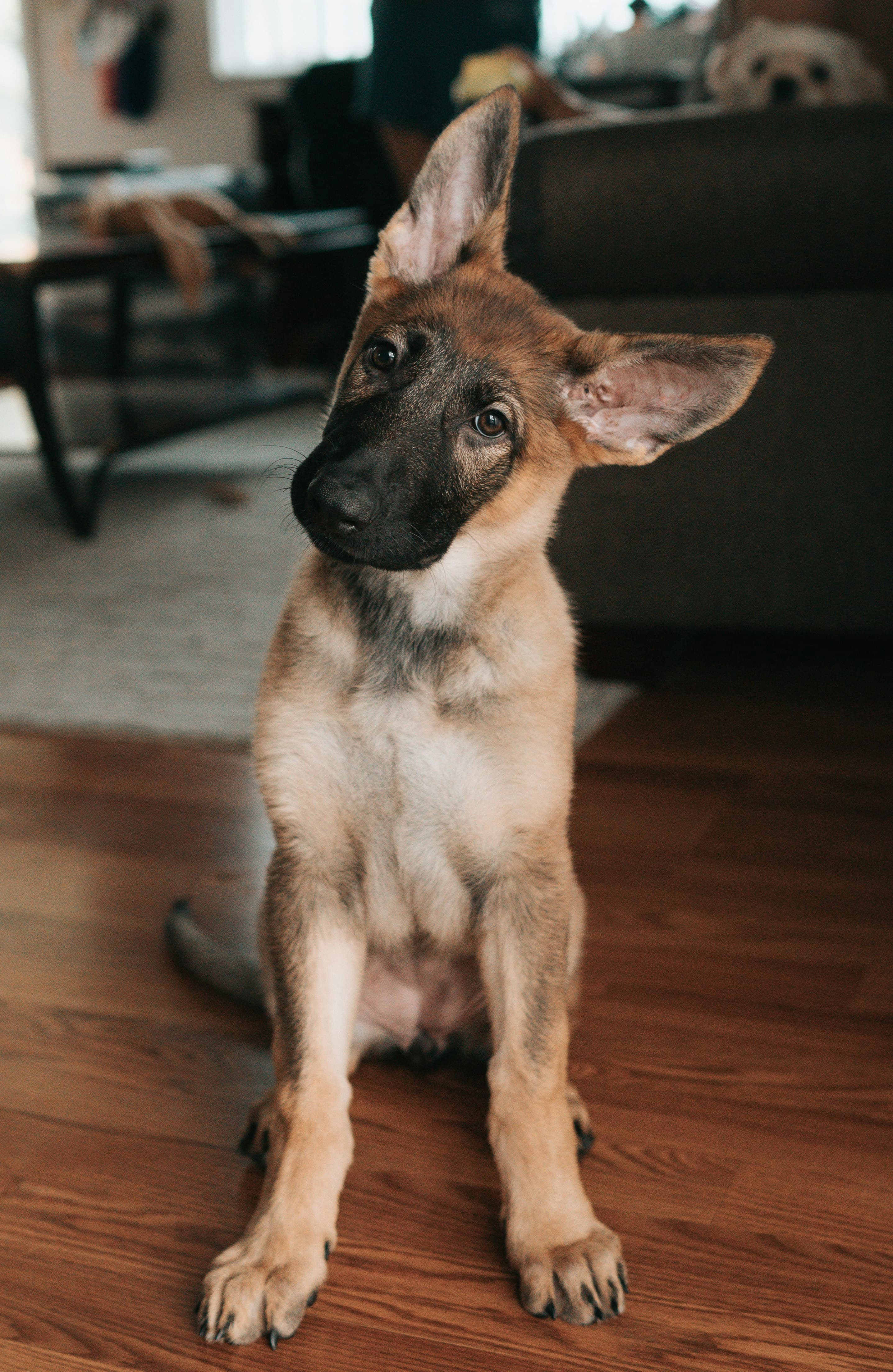
Pembroke Welsh Corgi First 30 Days: Complete New Owner Guide (2026)
Bringing home a Pembroke Welsh Corgi puppy? This comprehensive guide covers everything from Day 1 supplies to Week 4 health priorities, with breed-specific advice on training intelligent but bossy Corgis, redirecting herding behavior, and protecting that adorable long back.

Queen Elizabeth II owned more than 30 Pembroke Welsh Corgis during her historic reign, and her devotion to the breed wasn't mere royal whimsy. These compact, fox-faced dynamos were originally bred to herd cattle in the Welsh countryside—nipping at the heels of animals ten times their size and dodging kicks with their low-to-ground agility. That herding heritage created a dog with outsized confidence, sharp intelligence, and a work ethic that demands engagement.
Here's the truth most Corgi admirers learn the hard way: behind those stubby legs and fluffy butts is a serious working dog. Corgis aren't content to be couch potatoes—they'll herd your children, outsmart your training attempts, and shed enough fur to knit a second dog. But raise them right during these critical first 30 days, and you'll have a loyal, hilarious companion whose personality is as big as their ears.
This guide covers everything you need to know—from puppy-proofing for a long-backed breed to managing that famous Corgi "bossiness," preventing obesity, understanding the dreaded coat blow, and protecting against degenerative myelopathy.
Bringing home a new family member? Many owners commemorate this special time with a custom pet portrait—a beautiful way to capture your Corgi's adorable puppy phase. Or explore our Pembroke Welsh Corgi portrait collection for inspiration that celebrates those magnificent ears and that famous Corgi smile.
Before Day 1: The Corgi-Specific Preparation Checklist
Pembroke Welsh Corgi puppies are typically ready to come home at 8-10 weeks old. They'll weigh about 8-12 pounds and look like fluffy loaves of bread with enormous ears. Don't let their compact size fool you—these puppies have the energy and attitude of a much larger dog. By adulthood, they'll reach 24-30 pounds and stand just 10-12 inches tall at the shoulder.
Essential Supplies for Your Corgi Puppy
Low-rise crate with proper sizing: Get a crate that your adult Corgi can stand, turn around, and lie down in comfortably. A 36" crate typically works well. Use a divider while they're growing to prevent accidents in one end. According to the AKC, Corgis are exceptionally clean dogs who rarely soil where they sleep, making crate training generally smooth.
Low furniture considerations: Corgis have long spines and short legs—jumping on and off furniture puts tremendous strain on their backs. From Day 1, establish ground rules about furniture access. If you want your Corgi on the couch, invest in:
- Pet stairs or ramps for the couch and bed
- Low-profile dog beds they can walk onto
- Baby gates to block stairs (limit stair use to protect their spine)
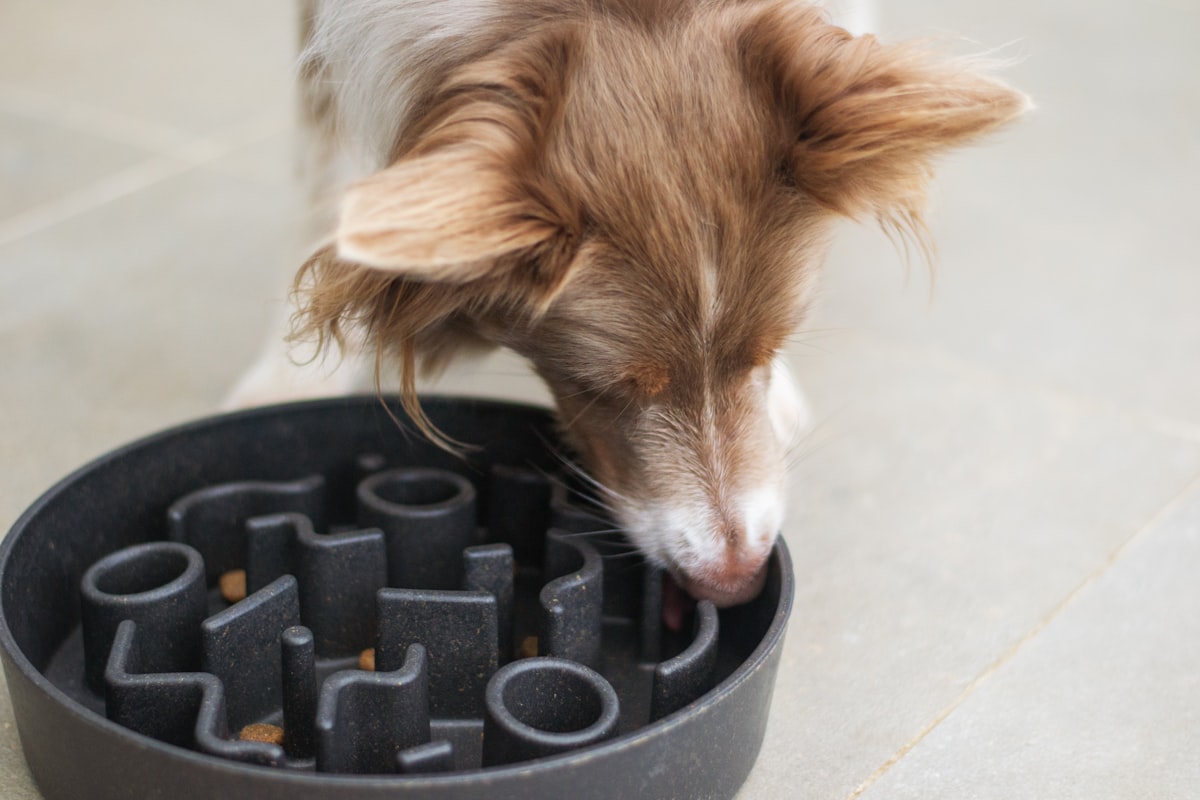
Food and water bowls: Stainless steel or ceramic bowls are ideal. Corgis are low to the ground, so standard floor-level bowls work fine—no need for elevated feeders. However, watch for speed eating, which is common in food-motivated Corgis. A slow-feeder bowl can prevent gobbling.
High-quality puppy food: Obesity is a major health concern in Corgis. According to Dogster's veterinary-reviewed feeding guide, choose a puppy formula appropriate for medium-sized breeds. Measure portions carefully—those pleading eyes are deceptive. Overfeeding a Corgi puppy puts stress on developing joints and spine.
Mental stimulation toys (essential!): Corgis are brilliant problem-solvers who need mental engagement. Stock up on:
- Kong toys (stuff with peanut butter and freeze)
- Puzzle feeders (Nina Ottosson, Kong Wobbler)
- Snuffle mats for scent work
- Flirt poles for herding-drive satisfaction
- Frozen Kongs and long tug toys for redirecting biting
Grooming supplies: Start preparing now for the shedding reality. According to Chewy's breed guide, Corgis have a dense double coat that sheds daily, with two major "coat blows" per year. You'll need:
- Slicker brush for regular maintenance
- Undercoat rake or Furminator for shedding season
- Steel comb for detail work around ears and ruff
- A high-quality vacuum (you'll use it daily)
Collar, ID tags, and leash: Start with an adjustable puppy collar. A 6-foot leash is standard for training. Skip retractable leashes—Corgis need consistent boundaries, and retractable leashes teach them that pulling gets rewarded with more freedom.
Puppy-Proofing for a Smart, Low-Riding Breed
Corgis are curious, fearless, and surprisingly agile for their build. They'll squeeze under furniture, investigate every corner, and problem-solve their way into trouble. Beyond standard puppy-proofing:
- Block access to spaces under beds, couches, and low tables where puppies can hide
- Secure low cabinets—Corgis are at perfect height to nose them open
- Remove all accessible electrical cords (they're at Corgi nose-level)
- Install baby gates at all staircases (critical for spine protection)
- Check fence lines for gaps—Corgis can squeeze through smaller spaces than you'd expect
- Move houseplants up high—many are toxic, and Corgis will investigate
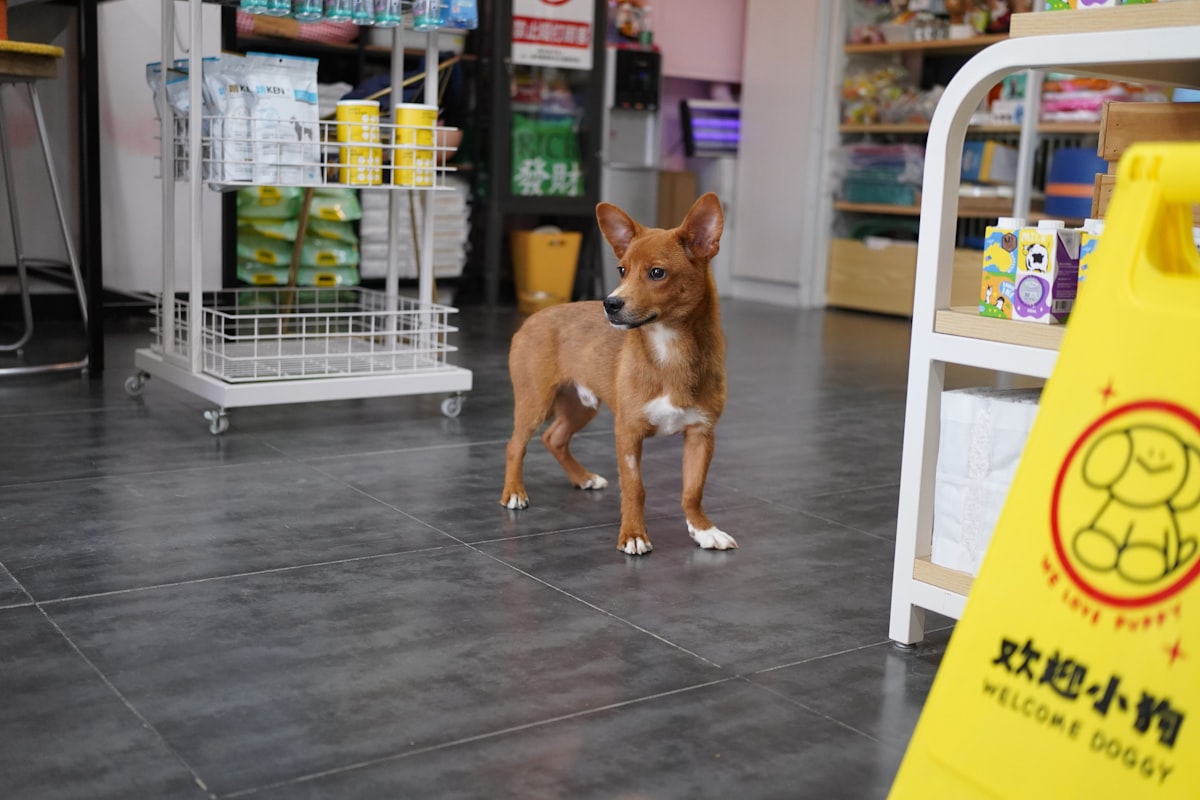
Day 1: Bringing Your Corgi Puppy Home
The first day sets the foundation for everything that follows. Your puppy just left their mother, littermates, and the only environment they've ever known. Even confident Corgis can feel overwhelmed.
The Car Ride Home
Bring a crate or secure carrier for the car. Have someone sit with the puppy if possible—Corgis are social and find comfort in presence. Bring paper towels for potential carsickness and a small blanket from the breeder with familiar scents.
The First Few Hours
Keep it calm and controlled. Resist the urge to show off your adorable new Corgi to everyone immediately. Here's your first-day routine:
- Potty break immediately: Carry the puppy from the car to a designated potty spot in the yard. Wait quietly until they go, then praise warmly. This establishes the routine from minute one.
- Introduce the crate: Place the crate in a family area where the puppy can see activity without being overwhelmed. Leave the door open, toss treats inside. Let them explore at their own pace.
- Explore one room at a time: Keep the puppy in one puppy-proofed room initially. Overwhelming them with the entire house creates stress and leads to accidents.
- Offer water, then food: After settling for 30 minutes, offer water. Wait another hour before offering a small meal. Stress can cause digestive upset.
The First Night
Expect whining—your puppy is lonely and confused. According to experienced breeders quoted by the AKC, "Corgi puppies are very smart. They're very clean and they really, really want to do what you want to do. And they're very easy to crate train." While they may wet the crate, they rarely soil it.
Some trainers recommend placing the crate beside your bed so the puppy can smell and hear you. Over the first week, gradually move the crate to its permanent location. Plan for 2-3 potty breaks during the night—tiny bladders mean frequent needs.
Don't give in to crying by bringing the puppy into bed (unless you want a 30-pound bed hog forever—and they will absolutely take up more space than seems possible for their size).
Week 1: The Adjustment Period (Days 1-7)
Week 1 is about establishing routine and letting your puppy decompress. Corgis are adaptable, but even they need time to settle into a new environment.
House Training Foundation
Corgis are intelligent and clean-natured, making house training relatively straightforward. The AKC's Corgi training timeline emphasizes that crate training is essential for housebreaking because "dogs don't like to soil where they sleep."
Follow the "every hour" rule: take the puppy outside after waking, after eating, after playing, and at least once per hour otherwise. Watch for signals—circling, sniffing, sudden stops in play, heading toward the door.
When accidents happen (and they will): clean with enzymatic cleaner and move on. Never punish accidents—Corgis are sensitive to disapproval, and punishment creates anxiety without improving house training.
Feeding Schedule
At 8-12 weeks, feed three to four times daily. According to iHeartDogs' feeding guide, Corgi puppies aged 8-12 weeks should eat about 1/3 to 1 cup total per day, divided across meals. Gradually increase portion sizes weekly, but always monitor body condition.
A typical schedule:
- 7:00 AM — Breakfast
- 12:00 PM — Lunch
- 5:00 PM — Dinner
- 8:00 PM — Small final meal (optional for young puppies)
- (Pick up water 2 hours before bedtime to reduce overnight accidents)
Obesity prevention starts now. Corgis are notorious food enthusiasts—they'll convince you they're starving even when well-fed. The AKC notes that "they're fabulous eaters, but there's not a lot of places to put all that appetite." Stick to measured portions, limit treats, and ignore those manipulative eyes.
Introducing the Blow Dryer
This sounds random, but experienced Corgi owners know: getting your puppy comfortable with blow dryers now will save hours of struggle during their coat blows. Since Corgis have such thick double coats, using a blow dryer after baths helps them dry completely and reduces skin issues.
Start by running the dryer in the same room while feeding treats. Gradually move closer over several days. The sound bothers them most initially, so create positive associations before ever directing air toward them.
Week 2: Basic Training Begins (Days 8-14)
Corgis are exceptionally intelligent—they consistently rank among the top 11 smartest dog breeds. This intelligence is both a blessing and a challenge. Your Corgi will learn commands quickly, but they'll also learn how to manipulate you if you're not consistent.
The Corgi Training Mindset
According to MasterClass training experts, "Early training makes a great difference when it comes to managing the strong herding instincts they possess, as the strong headedness often transfers to everything they do."
Corgis respond best to:
- Short, engaging sessions: 5-10 minutes, several times daily. Puppies lose focus quickly, and Corgis will get bored with repetition.
- High-value rewards: Use treats the puppy loves (cheese, hot dog bits) for training. Regular kibble often isn't motivating enough.
- Consistency across all humans: Everyone in the household must use the same commands and rules. Corgis exploit inconsistency.
- Mental challenge: Simply repeating commands bores them. Mix up training locations, add distractions gradually, make it a game.
The "bossy" factor: Corgis were bred to control cattle independently, which means they have strong opinions about how things should be done. You'll see this as stubbornness, selective hearing, or outright defiance. Stay calm, stay consistent, and stay patient—harsh corrections backfire with sensitive Corgis.
Week 2 Commands: The Four Essentials
Training experts emphasize that Corgis must master four basic commands—'come', 'sit', 'stay', and 'down'—before advanced work. These establish your role as the leader and provide the foundation for managing herding instincts.
Sit: Hold a treat above the puppy's nose and move it back over their head. As they look up, their rear naturally lowers. The moment it touches the ground, mark with "Yes!" and treat immediately.
Name recognition: Say your puppy's name in a happy voice. The moment they look at you, mark and treat. Repeat constantly throughout the day. Their name should mean "attention here equals good things."
Come (recall): This command can save your Corgi's life. Start indoors with minimal distractions. Say their name, then "Come!" enthusiastically. Reward generously when they respond. Never punish a Corgi who comes to you—even if they took forever or did something naughty first.
Down: From a sit, lure the puppy's nose toward the floor with a treat, then pull the treat forward along the ground. When they lie down, mark and treat.
Managing the Biting Phase
Corgi puppies bite. A lot. Those needle-sharp puppy teeth seem to find every finger, toe, and dangling pant leg. According to the Zigzag training guide, "It's good to be prepared for the amount of biting your Corgi puppy will do, be warned... It can be a lot!"
Redirection is key:
- Keep frozen Kongs and long tug toys readily available
- When the puppy bites you, say "ouch!" and redirect to an appropriate toy
- If biting continues, stand up and withdraw attention for 10-15 seconds
- Most importantly: ensure the puppy isn't overtired. Overtired Corgi puppies become bitey land sharks.
Note: Some of this biting is related to herding instinct, which we'll address more thoroughly in Week 3.
Week 3: Socialization and Managing Herding Instincts (Days 15-21)
This week focuses on two critical areas for Corgis: broad socialization and beginning to redirect that powerful herding drive.
The Socialization Imperative
Puppies have a critical socialization window that begins closing around 12-16 weeks. Everything they experience positively during this period shapes their adult temperament. The AKC recommends that Corgi owners "start socializing your dog around strangers" starting at 8 weeks, suggesting "taking Corgis to a busy area, like a street corner or park, and standing with the Corgis while traffic, bicyclists, and people go by."
Socialization targets by Week 3:
- 10 different types of people (including children, people with hats/uniforms, various ages)
- 10 different dogs (vaccinated, friendly dogs only—avoid dog parks until fully vaccinated)
- 10 different places (pet stores, friends' homes, outdoor cafes)
- Various sounds (vacuum, traffic, sirens, children playing)
- Different surfaces (grass, gravel, metal grates, tile)
Attending beginner puppy classes provides structured socialization with the bonus of professional guidance. Look for positive-reinforcement trainers who understand herding breeds.
Understanding and Redirecting Herding Behavior
Here's something many new Corgi owners don't expect: your cute puppy may start nipping at moving ankles, chasing running children, or trying to "herd" other pets. This isn't aggression—it's instinct. According to the Zoom Room training experts, "Herding behavior is instinctive, not developmental. Puppies may nip more because they have less impulse control, but the underlying herding drive does not fade with age."
Without training and redirection, most Corgis will continue to nip at moving targets—children running, joggers passing, other pets—throughout their lives. The good news: "The behavior responds well to training when you work with the instinct instead of against it."
Redirection strategies:
Provide appropriate outlets: Treibball (pushing large balls into goals) is perfect for Corgis because it channels herding instinct into structured activity. Flirt poles give chase-and-control satisfaction. "A Corgi with an appropriate herding outlet is far less likely to herd your children because the itch is already scratched."
Manage the environment: Until training is solid, don't leave your Corgi unsupervised with young children during high-energy play. Use baby gates to give your dog a front-row seat without access to moving targets. Reward calm behavior while kids play—this teaches that watching earns treats, while chasing does not.
Teach children too: Kids who stand still when the Corgi starts herding remove the trigger. Kids who can calmly ask the dog to sit provide an alternative behavior.
Why punishment fails: Yelling, pulling the dog away, or punishing nipping doesn't address the underlying drive. "You can suppress the behavior temporarily with enough corrections, but the instinct does not go away. It resurfaces during moments of excitement. Punishment also risks creating anxiety around children, which is worse than the nipping."
Building Impulse Control
Impulse control exercises are critical for herding breeds. Practice:
- "Leave it": Put a treat in your closed fist. When the puppy stops pawing and looks at you, mark and treat from your other hand.
- "Wait": Have the puppy sit before meals, before going through doors, before greeting people. Patience earns rewards.
- Calm settling: Reward the puppy for lying quietly on a mat while activity happens around them.
Week 4: Health Focus and Long-Term Foundation (Days 22-30)
By Week 4, your Corgi has settled into routines, started basic training, and begun socialization. Now it's time to establish health priorities that will affect your dog's entire life.
The First Vet Visit
If you haven't already, schedule a comprehensive veterinary exam. Bring:
- Vaccination records from the breeder
- A stool sample for parasite testing
- Questions about Corgi-specific health concerns
Discuss:
- Vaccination schedule (DHPP, rabies, Bordetella)
- Parasite prevention (heartworm, flea, tick)
- Spay/neuter timing (some vets recommend waiting until 12+ months for full development)
- Weight monitoring protocols
- Degenerative myelopathy (DM) genetic testing options
The Critical Health Issues: Back and Spine Care
Corgis' long backs and short legs create significant orthopedic concerns. According to Walkin' Pets mobility specialists, "Like all long-bodied breeds, the corgi is at risk for back problems and herniated discs."
Intervertebral Disc Disease (IVDD): This condition causes disc protrusion and spinal compression. Prevention strategies:
- Maintain lean body weight (extra pounds stress the spine)
- Provide ramps or stairs for furniture access—no jumping
- Limit stair use, especially running up/down stairs
- Support the entire body when lifting (scoop under chest and rear simultaneously)
- Avoid activities requiring twisting or sharp turns until fully mature
Degenerative Myelopathy (DM): Understanding the Risk
Degenerative myelopathy is a progressive disease affecting the spinal cord, similar to ALS in humans. According to VCA Hospitals, "Both Pembroke corgis and Cardigan Welsh corgis are among the breeds affected."
Key facts:
- DM typically appears in Corgis between 9-14 years of age, with average onset at 11 years
- It causes gradual muscle wasting and incoordination in hind limbs
- DM is an autosomal recessive genetic disease—DNA testing through the Orthopedic Foundation for Animals can identify carriers
- There is no cure, but physical therapy can delay progression
- Reputable breeders screen for the SOD1 gene mutation
If you purchased from a breeder, ask about DM testing status. If adopting, consider genetic testing for awareness. While DM is serious, knowing your dog's risk status helps with monitoring and planning.
Obesity Prevention: The Corgi Health Priority
Obesity is arguably the biggest health threat to Corgis. According to ProDog's feeding guide, "Obesity is a significant concern in Corgis, given their body structure and propensity for weight gain."
Extra weight on a Corgi stresses their spine, exacerbates joint problems, and shortens lifespan. Prevention strategies:
- Controlled portions: Feed measured meals, not free-feeding. Adult Corgis need approximately 20-30 calories per pound of body weight daily.
- Body condition monitoring: A Corgi should always have a discernible "waist" behind the ribcage when viewed from above. If you can't feel ribs with gentle pressure, the dog is overweight.
- Limit treats: Training treats should be tiny—the size of a pea. Treats should comprise no more than 10% of daily calories.
- Exercise appropriately: "If Corgis can play fetch (or ball), they can get exercise and help maintain their weight."
- Resist those eyes: Corgis are masters of the "I'm starving" look. Don't fall for it.
Grooming and Coat Care
Now is the time to establish grooming routines while your puppy is small and cooperative. According to Fi's breed research, "Pembroke Welsh Corgis are known to be heavy shedders. This breed has a dense double coat, consisting of a soft undercoat and a longer, coarser topcoat."
Regular maintenance:
- Brush 2-3 times weekly minimum with a slicker brush
- Daily brushing during "coat blow" seasons (spring and fall)
- Use an undercoat rake to remove loose undercoat
- Bath every 4-6 weeks with deshedding shampoo
Critical warning: NEVER shave a Corgi. According to grooming experts, "Shaving a double-coated dog can lead to coat damage and disrupt their natural temperature regulation." The undercoat actually insulates against both heat and cold. Shaving exposes sensitive skin to UV damage and can cause permanent coat texture changes.
Start handling exercises now: Touch your puppy's paws, ears, mouth, and tail daily while offering treats. This makes future nail trims, ear cleaning, and tooth brushing much easier.
30-Day Milestone Table
Use this table to track your Corgi's progress:
| Milestone | Target | Notes |
|---|---|---|
| Crate trained for naps/night | Day 7-10 | Should settle without excessive crying |
| House training 75% reliable | Day 21-30 | Accidents decrease to 1-2 per week |
| Responds to name | Day 10 | Looks at you when called |
| Knows "Sit" | Day 14 | Reliable with treat lure |
| Knows "Come" (indoors) | Day 21 | Comes when called inside |
| Socialized to 10+ new experiences | Day 21 | People, dogs, places, sounds |
| First vet visit complete | Day 7-14 | Vaccinations started, weight baseline set |
| Accepts brushing | Day 30 | Tolerates full-body grooming |
| Herding behavior redirected | Day 30 | Uses toys instead of ankles |
| Biting significantly reduced | Day 30 | Redirects to toys, softer mouth |
| Using pet stairs/ramps | Day 30 | Climbs instead of jumping |
Frequently Asked Questions
Why does my Corgi puppy nip at my children's heels?
This is herding instinct, not aggression. Corgis were bred to control cattle by nipping their heels, and your running children trigger the same drive. The behavior won't fade with age—it requires active training and redirection. Provide herding outlets (flirt poles, Treibball), reward calm behavior around children, and never leave your Corgi unsupervised with running kids until training is solid. Teaching children to stand still when the nipping starts removes the trigger.
How much do Corgis shed, and how can I manage it?
Corgis shed year-round with two major "coat blow" periods (usually spring and fall) when they lose their entire undercoat. During these periods, you'll wonder if your dog has any fur left. Management strategies: brush 2-3 times weekly (daily during coat blow), invest in a quality vacuum, use deshedding shampoo during baths, and accept that Corgi fur will become part of your home decor. Never shave a Corgi—their double coat regulates temperature and protects against sunburn.
My Corgi barks at everything. Is this normal?
Corgis are alert watchdogs who take their guardian duties seriously. They were bred to bark at potential threats to livestock. Some barking is breed-appropriate, but excessive barking needs management. Teach "quiet" command by rewarding silence after barking. Ensure adequate mental stimulation (bored Corgis bark more). Socialize extensively so not everything seems threatening. Consider that barking may indicate unmet needs—exercise, attention, or engagement.
How do I prevent my Corgi from becoming overweight?
Obesity is the most common health issue in Corgis and contributes to back problems, joint disease, and shortened lifespan. Feed measured portions of high-quality food—never free-feed. Use tiny training treats (pea-sized). Check body condition weekly: you should feel ribs with light pressure and see a waist from above. Provide daily exercise appropriate for age. Resist those pleading eyes—Corgis are master manipulators when it comes to food.
Should I worry about my Corgi's back?
Yes, but don't panic—proactive care prevents most problems. Corgis' long spines and short legs create stress on intervertebral discs. Prevention: maintain lean body weight (every extra pound strains the spine), provide ramps or stairs for furniture access, limit stair running, lift properly by supporting the entire body, and avoid high-impact activities. If you notice reluctance to jump, pain when touched, or coordination changes, see your vet immediately. Early intervention matters with spinal issues.
Beyond 30 Days: What Comes Next
The first month establishes critical foundations, but Corgis aren't fully mature until 2-3 years old. Here's the road ahead:
- Months 3-6: Teething peaks (provide appropriate chews), training continues, teenage sass emerges
- Months 6-12: "Teenage" phase with selective hearing and boundary testing. Stay consistent.
- Months 12-18: Physical maturity approaches; can gradually increase exercise intensity
- Years 2-3: Mental maturity arrives; the personality you've shaped emerges fully
Consider these activities for your growing Corgi:
- Herding classes: If your Corgi has natural instinct, structured herding provides incredible mental and physical fulfillment
- Rally and obedience: Corgis excel at precision work that engages their minds
- Agility: After growth plates close (12-18 months), agility builds confidence and burns energy
- Nosework: Scent games tap into natural abilities
- Treibball: The perfect herding substitute for urban Corgis

Celebrate Your Royal Companion
These first 30 days with your Pembroke Welsh Corgi are exhausting, hilarious, and deeply bonding. You've welcomed a dog with a thousand years of working heritage, the confidence of a much larger breed, and a personality that will keep you laughing for years. Those enormous ears, that fluffy rear end, that tilted-head stare—Corgis have a way of imprinting on your heart.
Queen Elizabeth knew what she was doing when she fell for her first Corgi at age seven. These dogs are special—clever, loyal, and endlessly entertaining. The work you put in during these early weeks shapes the companion you'll have for the next 12-15 years.
Many Corgi owners find this puppy phase worth commemorating: the oversized ears that seem too big for the head, the confident waddle, that unmistakable Corgi smile. A custom portrait captures this fleeting time forever—something to treasure when your small fuzzy loaf becomes a distinguished adult.

Ready to immortalize your Corgi's puppy phase? Create a custom pet portrait in minutes—from Renaissance royalty to pop art masterpieces. Or browse our Pembroke Welsh Corgi portrait gallery for inspiration. Because every Corgi deserves to be celebrated as the royal companion they truly are.