Maine Coon Kitten First 30 Days: Complete New Owner Guide (2026)
Bringing home a Maine Coon kitten? This comprehensive guide covers everything from Day 1 preparation to Week 4 milestones, with breed-specific tips for raising the gentle giant of the cat world.
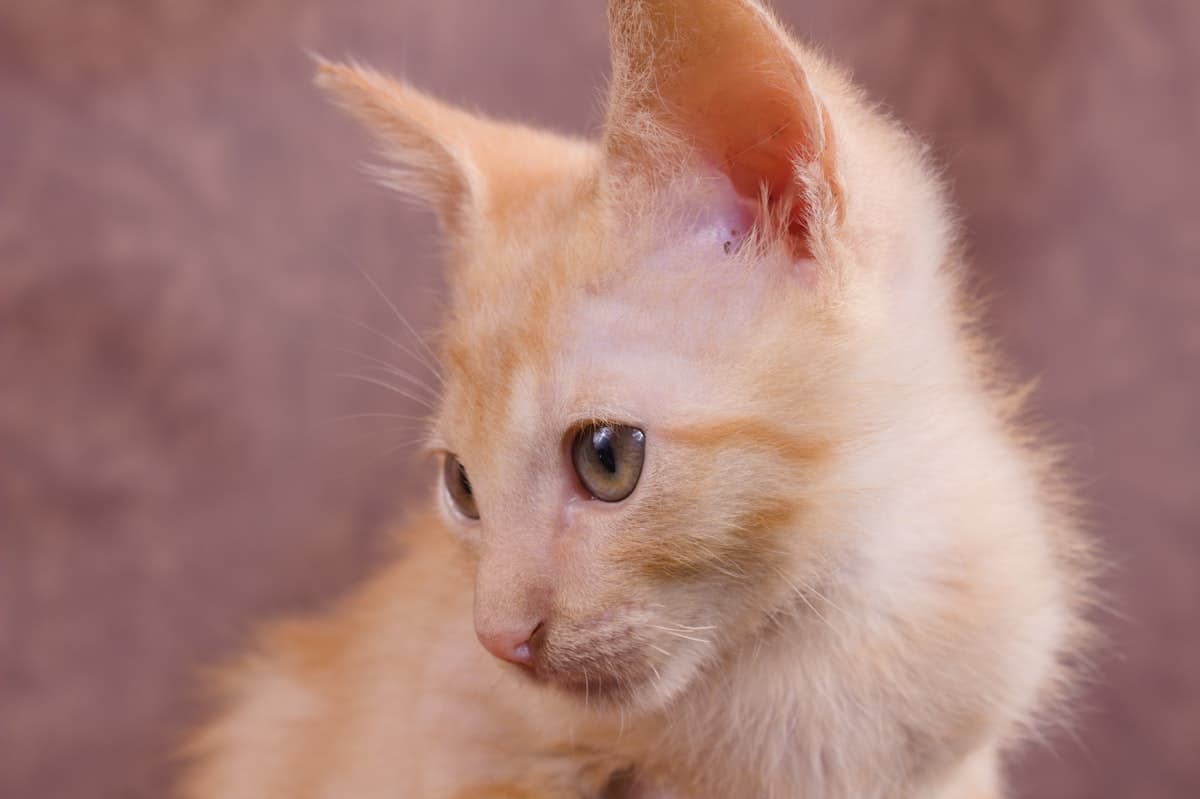
They're called "the dogs of the cat world," and there's truth in that. Maine Coons greet you at the door, follow you from room to room, play fetch, and chirp conversations that sound almost like language. They're also the largest domestic cat breed—males can reach 18-25 pounds of pure fluff and personality.
According to legend, Maine Coons evolved in the harsh New England climate, developing their distinctive tufted ears, massive paws (natural snowshoes), and luxurious water-resistant coats. Today, they're one of the most beloved breeds worldwide—and for good reason.
But these gentle giants have specific needs. They grow slowly (not reaching full size until 3-5 years), they're prone to certain heart conditions, and that magnificent coat requires maintenance. This guide covers everything you need for your Maine Coon's first 30 days.
Celebrating your new gentle giant? Many Maine Coon owners commemorate their kitten's early days with a custom pet portrait. Browse our Maine Coon portrait gallery for inspiration.
Before Day 1: The Maine Coon Preparation Checklist
Maine Coon kittens typically come home at 12-16 weeks—later than many breeds because responsible breeders ensure full socialization and initial health screenings. Your kitten may already weigh 3-5 pounds, but remember: they'll grow for years.
Essential Supplies for Your Maine Coon Kitten
Large litter box: Even kittens need room. Get a large, open box (covered boxes often feel cramped). You'll upgrade to extra-large as they grow. Plan for multiple boxes if you have a multi-story home.
High-quality kitten food: According to the CFA, Maine Coons need nutrition that supports slow, steady growth. Choose a high-protein kitten formula from a reputable brand. Some owners prefer large-breed specific formulas.
Sturdy scratching posts: Size matters. Maine Coons need tall, stable scratching posts they can stretch fully on. Cheap, wobbly posts won't satisfy them. Invest in quality now—they'll use it for years.
Grooming supplies: Wide-toothed comb, slicker brush, mat splitter. Their semi-long coat requires regular maintenance.
Interactive toys: Maine Coons love to play and stay playful into adulthood. Wand toys, balls, puzzle feeders—variety keeps them engaged.
Water fountain: Maine Coons are often fascinated by running water and may drink more from fountains. Good hydration supports kidney and urinary health.
Carrier: Get a large one—they'll outgrow standard carriers quickly.
Finding a Maine Coon-Experienced Vet
Before bringing your kitten home, establish care with a veterinarian experienced with the breed. Discuss:
- HCM screening: Hypertrophic Cardiomyopathy is common in Maine Coons. Responsible breeders screen parents, but monitoring continues throughout life.
- Hip dysplasia awareness: Yes, cats can get it too—especially large breeds like Maine Coons.
- Spinal muscular atrophy: A genetic condition reputable breeders test for.
- Vaccine schedule and parasite prevention
Day 1: Bringing Your Maine Coon Kitten Home
Maine Coons are generally confident, adaptable cats. Still, entering a new environment is stressful. Your job on Day 1 is to provide safety while allowing exploration at their pace.
The Car Ride Home
Use a secure, comfortable carrier. Maine Coons often travel well—they're adaptable by nature. Still, expect some vocalization; they're communicative cats. Don't let them roam the car, no matter how cute their complaints.
First Hours at Home
- Start with one room: Set up a "base camp" with litter box, food, water, and bedding. Let the kitten decompress here before exploring the whole house.
- Introduce the litter box: Place them in the box so they know its location. Most kittens understand the concept from their breeder.
- Offer water, then food: After they've settled (30-60 minutes), offer water. Wait another hour for a small meal.
- Let them approach you: Sit quietly in the room. Maine Coons are social and will likely come to investigate. Don't force interaction.
- Gradual exploration: Over the first day, let them explore additional rooms one at a time.
The First Night
Maine Coons generally adjust quickly, but some kittens cry for their littermates. Options:
- Keep them in their base camp room with comfortable bedding
- A snuggle toy or warmth source can help
- Some owners allow bedroom access—Maine Coons often become excellent sleeping companions
- Respond to crying with calm reassurance, not scolding
Week 1: Establishing the Foundation (Days 1-7)
Week 1 is about settling in, establishing routines, and beginning the bond that Maine Coons form so readily.
Litter Box Success
Maine Coons are typically excellent with litter boxes. Ensure:
- Box is easily accessible
- Box is large enough (or will be upgraded as they grow)
- Clean daily—Maine Coons can be particular
- Use unscented litter (cats have sensitive noses)
- One box per cat plus one (for multi-cat homes)
Feeding Your Growing Giant
Maine Coon kittens need high-quality nutrition to support their slow, steady growth. At 12-16 weeks, they typically eat 3-4 times daily:
- Morning: Wet food portion
- Midday: Dry kibble available
- Evening: Wet food portion
- Before bed: Small dry food portion
Key points:
- Don't overfeed—obesity is harmful for joints and heart
- High protein, moderate fat is ideal
- Fresh water always available (fountain recommended)
- Monitor growth rate; consult your vet if you're unsure
Beginning the Bond
Maine Coons are remarkably dog-like in their attachment. During Week 1:
- Spend time in the same room, even if not directly interacting
- Talk to your kitten—they're verbal and respond to voice
- Play with wand toys to build positive association
- Let them sit on or near you when they choose
- Handle gently: ears, paws, belly (preparing for grooming and vet visits)
Week 2: Grooming and Health Foundations (Days 8-14)
By Week 2, your kitten is settling in. Now establish the grooming routine that will keep that magnificent coat healthy.
Coat Care Basics
Maine Coons have semi-long, water-resistant coats that can mat without regular care. Start grooming routines now while they're young and more accepting:
Daily brushing (ideal) or every 2-3 days (minimum):
- Start with a wide-toothed comb to find any tangles
- Use a slicker brush for the main coat
- Pay attention to "friction areas": behind ears, under legs, belly
- Check for mats—remove gently with a mat splitter
- End with treats and praise to keep it positive
Special attention areas:
- Britches (rear leg fur): Can trap debris and mat easily
- Belly: Many Maine Coons tolerate belly brushing if introduced young
- Ruff (chest fur): Iconic but requires care
- Tail: Spectacular but tangles
Nail Trimming Introduction
Start handling paws daily. Touch each toe. Extend claws gently. Get them accustomed to the sensation before introducing clippers. Trim tips only, avoiding the quick (pink area). If they resist, do one paw per session.
Health Monitoring
Your first vet visit should happen during Week 1 or 2. Discuss:
- Weight and growth trajectory
- Vaccine schedule completion
- HCM awareness and future screening plans
- Deworming and flea prevention
- Spay/neuter timing (often 4-6 months)
Week 3: Socialization and Play (Days 15-21)
Maine Coons are naturally sociable, but proper socialization ensures they're confident in all situations.
Socialization Checklist
People:
- Different ages, appearances, voices
- Visitors to your home (controlled introductions)
- Children (supervised, teaching gentle handling)
- People in uniforms or unusual clothing
Sounds:
- Vacuum cleaners, blenders, doorbells
- TV, music at various volumes
- Thunder recordings (played low)
- Household noises
Experiences:
- Car rides in carrier
- Carrier time at home (keeping it positive)
- Gentle restraint for vet-type handling
- Being picked up and held properly
Other animals:
- If you have other pets, controlled introductions during this period
- Maine Coons often do well with other cats and cat-friendly dogs
- Go slowly; let them set the pace
Play and Enrichment
Maine Coons stay playful their entire lives. Establish good play habits now:
- Interactive play: At least two 15-minute sessions daily with wand toys
- Solo play: Rotate toys to maintain interest
- Puzzle feeders: Mental stimulation is important for intelligent breeds
- Fetch: Many Maine Coons play fetch naturally—encourage it!
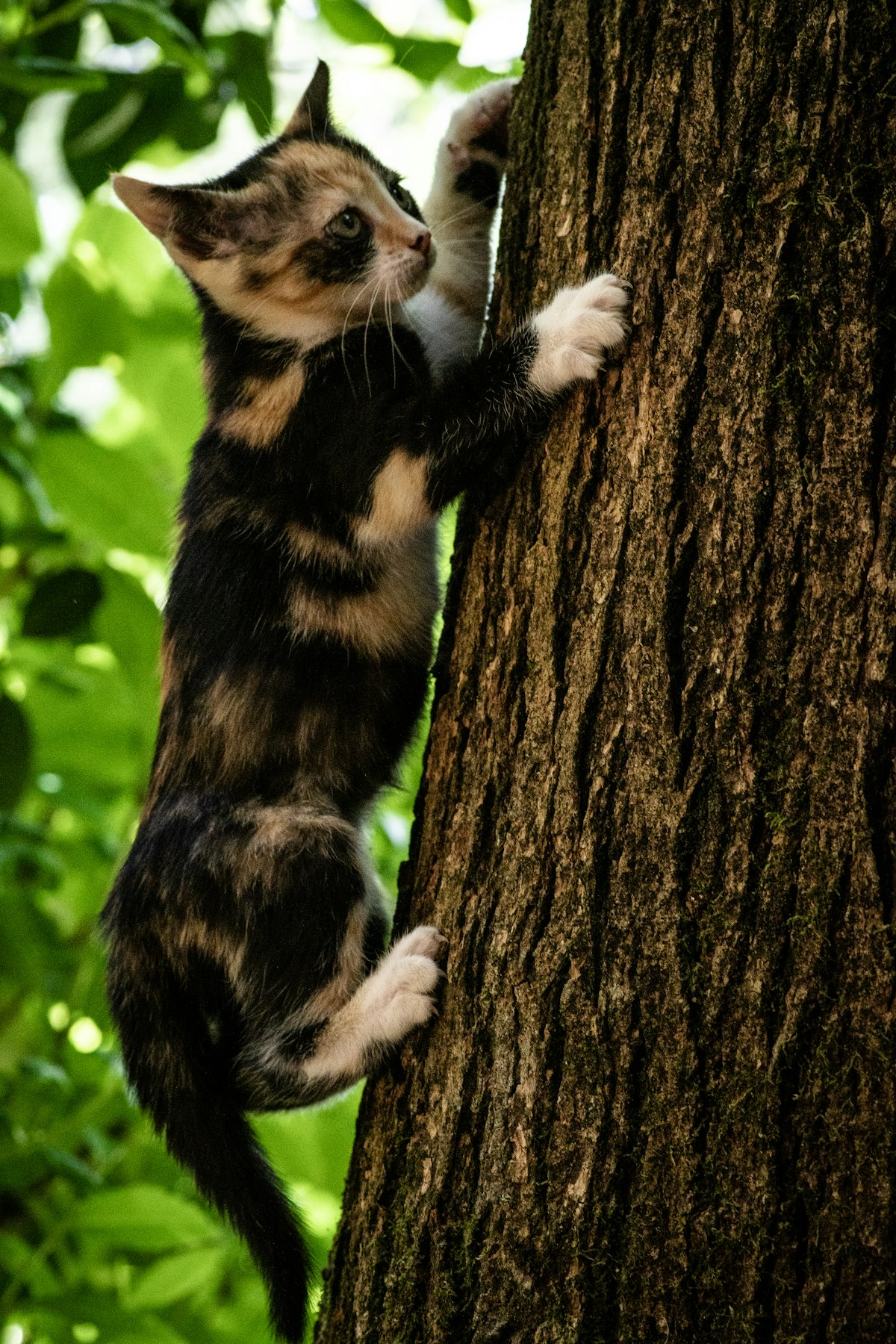
- Climbing: Invest in tall cat trees; they love height
Week 4: Long-Term Health Focus (Days 22-30)
By Week 4, your Maine Coon kitten feels at home. Now focus on habits that support their health through their long growth period and beyond.
Understanding Maine Coon Growth
Unlike most cats who reach adult size by 1 year, Maine Coons grow until 3-5 years old. This slow maturation means:
- Continue kitten food longer (until 12-18 months typically)
- Don't rush to adult food—consult your vet on timing
- Weight gain should be gradual and steady, not rapid
- Their personality continues developing too—they mellow with maturity
HCM Awareness
Hypertrophic Cardiomyopathy (thickening of the heart muscle) affects Maine Coons more than many breeds. According to International Cat Care:
- Responsible breeders screen parents via echocardiogram
- A clear parental screen reduces but doesn't eliminate risk
- Baseline echocardiogram around 1 year is recommended
- Watch for: lethargy, breathing changes, reduced appetite, hind leg weakness
- Regular vet checks are important throughout life
Weight Management
Maine Coons should be large, not fat. Body condition matters:
- You should feel ribs with light pressure
- Waist should be visible from above
- Belly should tuck up slightly from side view
- Males typically reach 15-25 lbs; females 10-15 lbs
- Weigh monthly and track trends
Your 30-Day Maine Coon Milestone Timeline
| Day | Milestone | Notes |
|---|---|---|
| 1 | Bring kitten home | Base camp setup, decompression |
| 2-3 | House exploration begins | Room by room introduction |
| 4-5 | Feeding routine established | 3-4 meals daily |
| 6-7 | First vet visit | Weight, vaccines, HCM discussion |
| 8-10 | Grooming routine begins | Daily brushing introduced |
| 11-14 | Paw handling comfortable | Preparing for nail trims |
| 15-18 | Socialization intensive | People, sounds, experiences |
| 19-21 | Play routines established | Interactive play twice daily |
| 22-25 | First nail trim | Tips only, with treats |
| 26-28 | Weight tracking started | Monthly weigh-ins |
| 29-30 | 30-day assessment | Growth, health, behavior review |
Frequently Asked Questions
How big will my Maine Coon get?
Males typically reach 15-25 pounds, females 10-15 pounds. They're among the largest domestic cat breeds. But they reach full size slowly—expect growth until age 3-5. A 12-week kitten might weigh 3-5 pounds and still have years of growing ahead.
Do Maine Coons need a lot of grooming?
More than short-haired cats, but less than some long-haired breeds. Their coat is semi-long and somewhat self-maintaining, but daily brushing prevents mats and reduces shedding. Pay special attention to the belly, britches, and ruff areas where tangles form.
Are Maine Coons really like dogs?
In many ways, yes. They often greet you at the door, follow you around, play fetch, respond to training, and form intense bonds with their people. They're also more likely to tolerate leash training than many cats. But they're still cats—independent, graceful, and with distinct feline personalities.
What is HCM and should I be worried?
Hypertrophic Cardiomyopathy is a heart condition where the heart muscle thickens. It's more common in Maine Coons than many breeds. Reputable breeders screen parents, which reduces (but doesn't eliminate) risk. Baseline echocardiograms around age 1 and regular vet checkups help detect it early. Don't panic—many Maine Coons live long, healthy lives.
Can Maine Coons live with other pets?
Generally, yes. Maine Coons are laid-back and often get along well with other cats and cat-friendly dogs. Introduce new pets slowly and carefully. Their size can intimidate smaller animals initially, but Maine Coons are gentle by nature.
Celebrate Your Gentle Giant
These first 30 days are the beginning of a remarkable relationship. Maine Coons live 12-15 years (often longer), and they'll spend those years as devoted, entertaining, magnificently fluffy companions. They'll chirp conversations with you, play fetch into their senior years, and take up more and more of your bed as they grow.
Those tufted ears, massive paws, and that flowing tail—your Maine Coon kitten is already a majestic creature worth celebrating.

Ready to immortalize your gentle giant? Create a custom pet portrait in minutes—from regal royalty to whimsical art. Or browse our Maine Coon portrait gallery for inspiration. Because your magnificent companion deserves to be celebrated.