French Bulldog First 30 Days: Complete New Owner Guide (2026)
Bringing home a French Bulldog puppy? This comprehensive guide covers everything from Day 1 brachycephalic care essentials to Week 4 health monitoring, with breed-specific tips for training your lovably stubborn Frenchie.
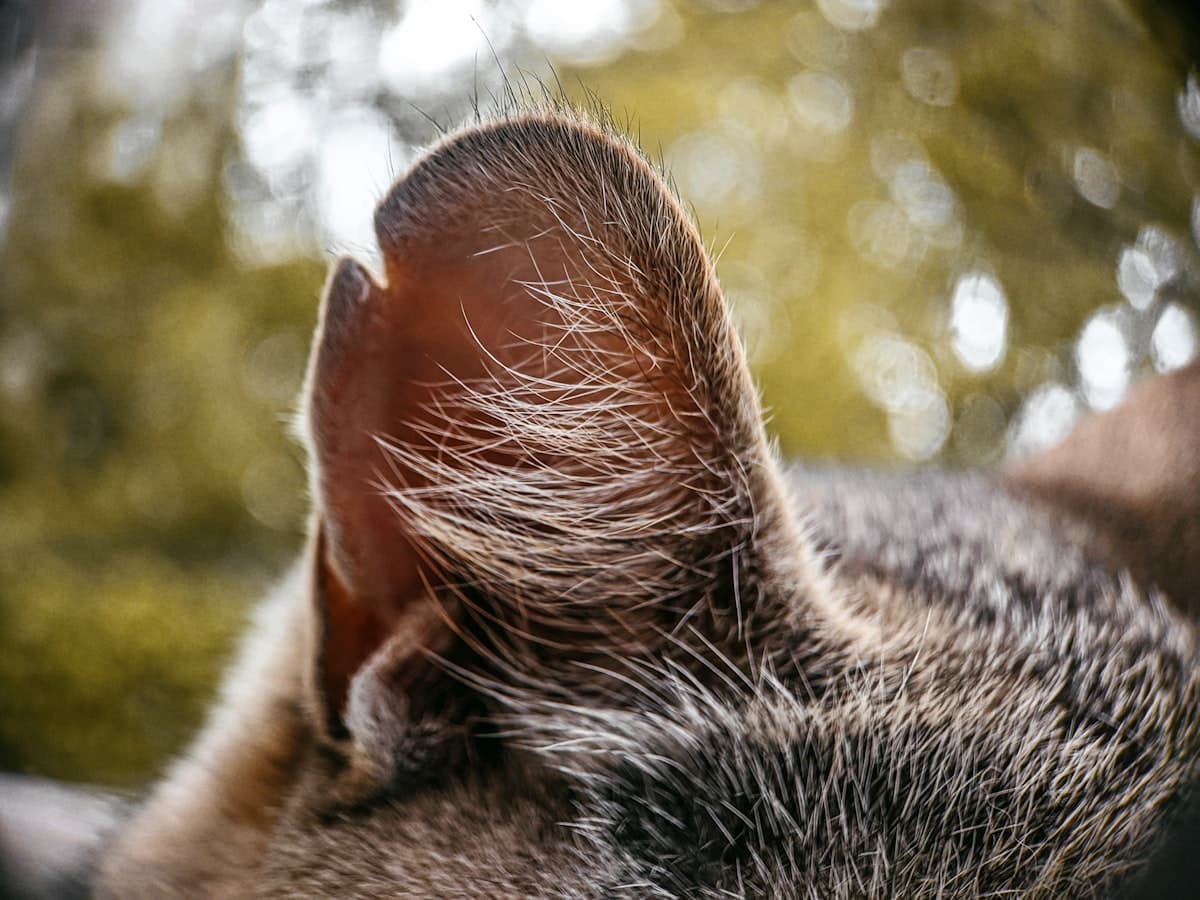
In 1800s Paris, lace workers from Nottingham brought their miniature Bulldogs to France, where the breed was refined into the bat-eared charmer we know today. The French Bulldog has since captured hearts worldwide, becoming the most popular dog breed in America according to AKC registration data.
Here's what most Frenchie guides won't tell you upfront: this isn't just another small dog. French Bulldogs are brachycephalic (flat-faced), which means every aspect of their care—from exercise to sleep to outdoor time—requires special consideration. They can't regulate body temperature like other dogs, they're prone to breathing difficulties, and their adorable wrinkles need daily cleaning or they'll develop painful infections.
But raise them right during these critical first 30 days, and you'll have a companion whose comedic personality, unwavering affection, and portable size make them the ultimate city dog and couch buddy.
This guide covers everything you need to know—from keeping your flat-faced puppy cool to navigating their famous stubborn streak, preventing skin fold dermatitis, and understanding when snoring crosses from normal to concerning.
Welcoming a new family member? Many Frenchie owners commemorate this special time with a custom pet portrait—a beautiful way to capture those oversized bat ears and squishy face. Or explore our French Bulldog portrait collection for style inspiration.
Before Day 1: The French Bulldog Preparation Checklist
French Bulldog puppies are typically ready to come home at 8-10 weeks old. At this age, they weigh 5-8 pounds and look like perfect little potato nuggets. According to the AKC breed standard, healthy adult Frenchies weigh under 28 pounds—most fall between 16-28 pounds, making them a true small breed despite their sturdy build.
Essential Supplies for Your French Bulldog Puppy
Harness (NOT a collar!): This is non-negotiable for brachycephalic breeds. According to VCA Animal Hospitals, dogs with BOAS (Brachycephalic Obstructive Airway Syndrome) should be fitted with a harness that does not tug at the neck area. A collar can put pressure on the trachea, worsening breathing difficulties and potentially causing eye problems from increased pressure. Choose a well-padded, step-in harness.
Cooling supplies: French Bulldogs overheat dangerously fast. Essential items include:
- Cooling mat or elevated mesh bed
- Portable water bottle for walks
- Cooling vest for warmer months
- Indoor thermometer (keep home below 75°F / 24°C)
Crate (appropriately sized): A 24" or 30" crate is typically right for Frenchies. They don't need massive space—just enough to stand, turn, and lie down. The crate becomes their safe den.
Slow feeder bowl: French Bulldogs gulp air when they eat quickly due to their flat faces. A slow feeder reduces air intake, which means less gas (and trust us, you'll want less gas).
Skin fold cleaning supplies: Stock up before your puppy arrives:
- Chlorhexidine wipes or vet-approved gentle wipes
- Cotton balls or soft cloths
- Zinc-based diaper rash cream (for irritated folds)
- Ear cleaning solution (for their sensitive ears)
High-quality puppy food for sensitive stomachs: Frenchies are prone to food allergies and digestive issues. Look for limited-ingredient formulas with single-source proteins. Avoid foods containing soy, dairy, corn, and excessive legumes. Many owners have success with Royal Canin French Bulldog Puppy (breed-specific formula), Purina Pro Plan Sensitive Skin & Stomach, or fresh/raw diets formulated for sensitive dogs.
Appropriate toys: Choose durable toys—Frenchies have strong jaws despite their size. Kong toys (stuff with peanut butter and freeze), Nylabones, and puzzle feeders work well. Avoid toys small enough to swallow or plush toys they can easily destroy and choke on.
Enzymatic cleaner: Nature's Miracle or Rocco & Roxie for inevitable accidents.
Puppy-Proofing for a Brachycephalic Breed
Beyond standard puppy-proofing, French Bulldogs need specific considerations:
- No access to pools or deep water—most Frenchies cannot swim due to their heavy front ends and short legs
- No high furniture to jump from—their spines are vulnerable to injury
- Avoid stairs if possible—or provide ramps for frequent use areas
- Check for toxic plants—Frenchies love to mouth everything
- Secure trash cans—they're food-motivated and resourceful
- Cover electrical cords—puppy-chewing phase is real
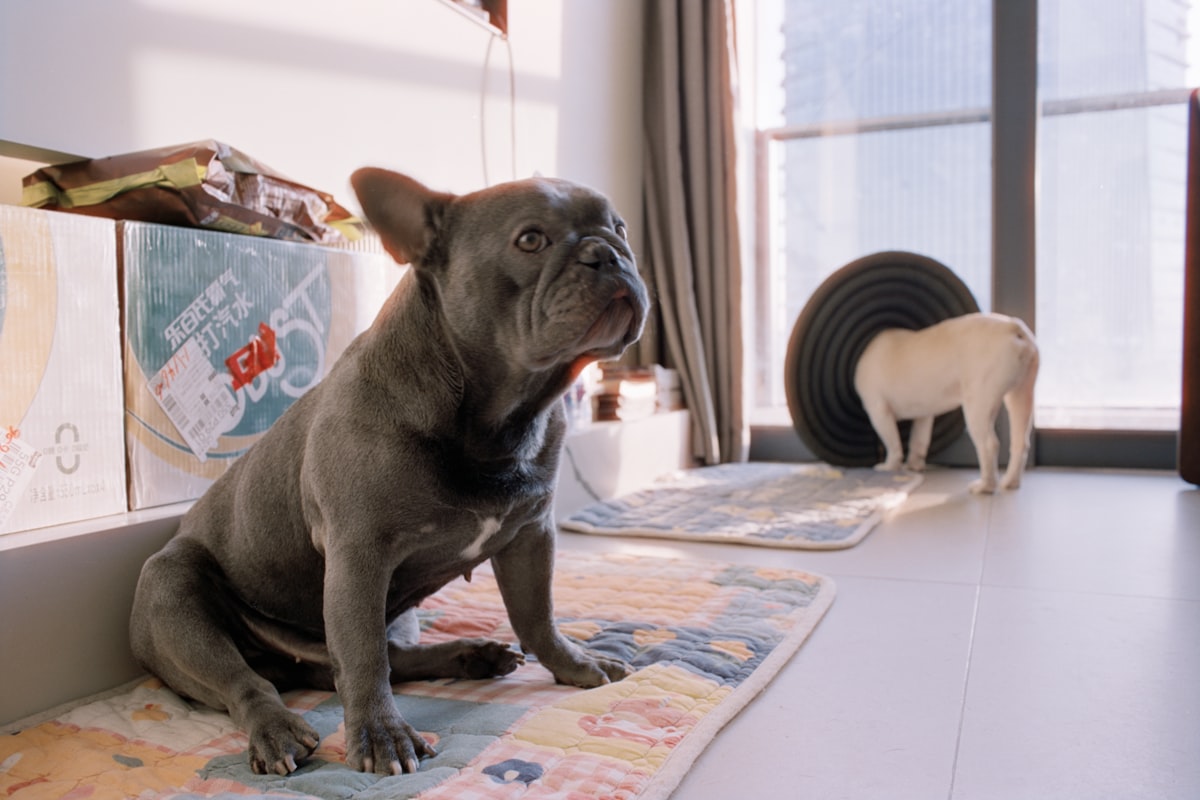
Day 1: Bringing Your French Bulldog Puppy Home
The first day sets the foundation for your relationship. Your Frenchie just left their mother and littermates—everything is new and overwhelming. Unlike some breeds, French Bulldogs often adjust relatively quickly because they're so people-oriented, but they still need a calm introduction.
The Car Ride Home
Temperature is critical. Never leave a French Bulldog in a hot car—not even for one minute. Keep the AC running during the drive. Bring:
- A secure carrier or crate
- Paper towels and plastic bags (motion sickness happens)
- Water and a small bowl
- Someone to sit with the puppy if possible
Watch for signs of overheating: excessive panting, bright red gums, drooling, or stumbling. If you see these, cool the puppy immediately with damp towels and seek veterinary care.
The First Few Hours
Keep it calm and cool. French Bulldogs don't need a welcome party—they need quiet time to decompress. Here's your first-day routine:
- Potty break immediately: Carry the puppy to a designated potty spot. Wait quietly until they go, then praise calmly. This begins the house training process.
- Show them the water bowl: Fresh, cool water should always be available. Frenchies pant to cool down and need to rehydrate.
- Introduce the crate: Make it cozy with a blanket. Leave the door open and toss treats inside. Let them explore at their own pace.
- Small meal after settling: Wait an hour or two, then offer a small portion of food. Stress can cause digestive upset, so don't overfeed on Day 1.
- First wrinkle check: Gently lift the skin folds on their face. Get them used to being handled here—it's a daily routine they need to accept.
The First Night
Expect some crying—this is normal. Place the crate in your bedroom so the puppy can hear and smell you. Many Frenchie owners keep the crate bedside permanently since these dogs don't do well separated from their people.
Important: French Bulldogs snore. Loudly. This is normal for the breed due to their compressed airways. You'll learn to tune it out—or find it oddly comforting.
Take the puppy out for potty breaks every 3-4 hours overnight. Frenchies have small bladders and can't hold it long at this age.
Week 1: The Adjustment Period (Days 1-7)
Week 1 is about establishing routine, beginning house training, and monitoring your puppy's breathing and temperature. French Bulldogs need more supervision than most breeds due to their brachycephalic anatomy.
House Training a Stubborn Frenchie
Here's the truth: French Bulldogs can be stubborn as hell. According to Frenchie training experts, stubbornness is the most common behavioral trait Frenchie parents encounter. They're intelligent and quick to learn, but they're not always eager to follow—especially if they're not in the mood.
The secret? Make training their idea. Here's what works:
Consistency is everything: Take the puppy outside to the same spot after waking, after eating, after playing, and at least every 2 hours otherwise. Frenchie puppies have small bladders and can't hold it long.
Use high-value treats: Find what your Frenchie goes crazy for—tiny bits of chicken, cheese, or freeze-dried liver. When they potty outside, treat immediately and praise enthusiastically. Make it a celebration.
Establish a potty phrase: Say "go potty" or another consistent command every time. They'll eventually associate the phrase with the action.
Never punish accidents: Frenchies are sensitive souls. Harsh corrections can make them fearful and stubborn. Clean up quietly with enzymatic cleaner and recommit to more frequent potty breaks.
Use the crate wisely: French Bulldogs don't like to soil their sleeping space. Crate training supports house training—but never use the crate as punishment.
According to The Puppy Academy, many small dogs are difficult to potty train, and the French Bulldog is no exception. But with consistency and patience, most Frenchies are reliably house trained by 4-6 months.
Week 1 Feeding Schedule
At 8-12 weeks, feed three meals per day. A typical schedule:
- 6:00-7:00 AM — Breakfast
- 12:00 PM — Lunch
- 5:00-6:00 PM — Dinner
- (Remove water 2 hours before bedtime to reduce overnight accidents)
Frenchie puppies typically poop within 20 minutes of eating—use this predictability for house training success. Stand by the door after meals!
Daily Skin Fold Care Routine
Start this routine on Day 1. According to veterinary dermatologists, French Bulldogs' skin folds require daily cleaning and drying to prevent painful dermatitis and infections.
How to clean wrinkles:
- Gently lift each fold on the face, around the nose, and under the eyes
- Wipe with a chlorhexidine wipe or damp cloth
- Dry thoroughly with a clean, soft cloth—moisture left behind causes problems
- Check the tail pocket (the fold under their corkscrew tail)—clean this too
- If any area is red or irritated, apply zinc-based diaper cream and monitor
Signs of skin fold infection: redness, odor, discharge, or your dog pawing at their face. If you see these, schedule a vet visit—early treatment prevents complications.
Week 2: Basic Training Begins (Days 8-14)
By Week 2, your Frenchie has decompressed and is ready to learn. The good news: they're intelligent and food-motivated. The challenge: they have a stubborn streak and short attention span.
Training Philosophy for French Bulldogs
French Bulldogs respond best to positive reinforcement—treats, praise, and play. They absolutely do not respond well to harsh corrections, which can cause them to shut down entirely or become more stubborn out of spite.
Key training principles:
- Keep sessions short: 2-5 minutes, 3-4 times daily. Their attention span is limited.
- Make it fun: If training feels like a game with snacks, they're all in.
- End on success: Always finish with a command they know so they feel accomplished.
- Avoid overheating: Training should happen in cool environments. If they start panting heavily, take a break.
Week 2 Commands
Sit: Hold a treat above their nose and move it back over their head. As they look up, their bottom lowers naturally. Mark with "Yes!" the moment they sit, and treat.
Name recognition: Say their name in a happy voice. When they look at you, mark and treat. Repeat dozens of times daily until they automatically check in when they hear their name.
Come (recall): Start indoors with zero distractions. Say their name, then "Come!" excitedly. When they move toward you, throw a treat party. This command could save their life one day—make it the most rewarding thing ever.
Leave it: Essential for a breed that wants to eat everything. Put a treat in your closed fist. When they stop pawing and look at you, mark and treat from your other hand. This teaches impulse control.
Managing the Puppy Biting Phase
Frenchie puppies have sharp teeth and use their mouths to explore. They're not aggressive—they're playing and teething. To redirect:
- When they bite, say "Ouch!" and withdraw attention for 10-15 seconds
- Immediately offer an appropriate chew toy
- Frozen Kongs help with teething pain
- Ensure they're getting enough sleep—overtired puppies bite more
Exercise Limits for Brachycephalic Puppies
French Bulldog puppies should not be exercised like other breeds. According to Frenchie breeders, start walking puppies for about 12 minutes per day, working up to 30-45 minutes for adults.
Critical exercise rules:
- Avoid exercise in heat above 75°F (24°C) or high humidity
- Exercise during the coolest parts of the day (early morning, evening)
- Always carry water
- Watch for signs of respiratory distress: excessive panting, loud breathing, blue/purple tongue
- No swimming without a life vest and constant supervision—most Frenchies can't swim
Week 3: Critical Socialization (Days 15-21)
Week 3 falls within the critical socialization window (3-14 weeks) where puppies are most receptive to new experiences. According to socialization experts, insufficient socialization during puppyhood can lead to fear, anxiety, or reactivity toward unfamiliar people, animals, or situations in adulthood.
Breed-Specific Socialization Considerations
French Bulldogs are naturally people-oriented and typically friendly, but their flat faces can make them more sensitive to stress—they can't pant efficiently to calm down. Socialization should be:
- Gradual: Don't overwhelm them with too much too fast
- Positive: Every new experience should include treats and praise
- Temperature-controlled: Avoid outdoor socialization in hot weather
- Short: Brief positive exposures are better than long overwhelming ones
The Socialization Checklist
Aim to expose your Frenchie puppy positively to:
People:
- Men with beards, hats, sunglasses
- Children of various ages (supervise closely)
- People in uniforms (delivery workers, postal carriers)
- People with wheelchairs, walkers, canes
- Different ethnicities, body types, and ages
Sounds (use recordings played quietly at first):
- Vacuum cleaners, blenders, doorbells
- Thunder, fireworks
- Traffic, motorcycles, sirens
- Children playing, babies crying
Surfaces and environments:
- Grass, gravel, wood floors, tile
- Car rides (keep AC on!)
- Pet-friendly stores (carry them before full vaccination)
- Different rooms of your home
Handling (important for vet visits and grooming):
- Touching paws, ears, tail, mouth
- Gentle restraint
- Wrinkle cleaning (daily anyway)
- Nail handling (even without clipping)
Safe Socialization Before Full Vaccination
Your puppy isn't fully vaccinated until 16-18 weeks, but you can't wait that long for socialization. Solutions:
- Carry your puppy in a sling or bag through public spaces
- Invite vaccinated, friendly dogs over for controlled introductions
- Take car rides with the windows down (AC on) so they experience sights and sounds
- Avoid dog parks, pet store floors, and areas where unknown dogs may have been
Signs Your Frenchie Is Overwhelmed
Watch for stress signals:
- Yawning when not tired
- Lip licking
- Whale eye (showing whites of eyes)
- Trying to escape or hide
- Refusing treats (too stressed to eat)
- Excessive panting
If you see these signs, remove them from the situation and try again later with more distance or lower intensity.
Week 4: Health Focus (Days 22-30)
Week 4 is about understanding and monitoring your French Bulldog's unique health needs. This breed has more potential health issues than most, and early awareness prevents serious problems.
BOAS (Brachycephalic Obstructive Airway Syndrome)
This is the most important health topic for any Frenchie owner. According to PetMD, brachycephalic airway syndrome refers to a combination of anatomical abnormalities:
- Stenotic nares: Narrowed nostrils that restrict airflow
- Elongated soft palate: Tissue that partially blocks the airway
- Everted laryngeal saccules: Tissue that turns inside out due to breathing effort
- Hypoplastic trachea: Smaller-than-normal windpipe
According to UFAW studies, approximately 20% of French Bulldogs have at least one upper respiratory tract disorder, with 10.5% having disorders at multiple sites.
Signs that BOAS may be severe (consult a vet):
- Loud breathing even at rest
- Snoring that wakes them up or causes gasping
- Blue or purple tongue/gums during exercise
- Fainting or collapsing
- Inability to exercise for even short periods
- Gagging or regurgitating frequently
Most French Bulldogs have some degree of BOAS—it's part of the breed. But severe cases may benefit from corrective surgery, typically performed between 1-4 years of age.
Temperature Sensitivity
French Bulldogs can't regulate body temperature effectively. When a dog's airways are blocked due to BOAS, panting isn't as effective, meaning these pets can't cool down properly. This makes them highly susceptible to heatstroke—a life-threatening emergency.
Prevention:
- Keep indoor temperature below 75°F (24°C)
- Never leave in a car—not even for one minute
- Avoid outdoor exercise in heat or humidity
- Provide cooling mats, shade, and fresh water always
- Consider a cooling vest for necessary outdoor time
- Know the nearest emergency vet clinic
Signs of heatstroke (emergency!):
- Excessive panting, drooling
- Bright red gums/tongue
- Stumbling, disorientation
- Vomiting, diarrhea
- Collapse
If you see these signs: move to shade, apply cool (not cold) water to their body, and get to a vet immediately.
Skin Fold Dermatitis Prevention
By Week 4, daily wrinkle cleaning should be routine. According to Vet4Bulldog, skin fold dermatitis is caused by moisture and bacteria getting trapped in folds, leading to irritation, redness, and infection.
Problem areas to check daily:
- Facial wrinkles (above nose, under eyes)
- Nose rope (the fold over the nose)
- Tail pocket (under the corkscrew tail)
- Between toes
Signs of infection: Redness, foul odor, discharge, excessive scratching. Treat early with vet-approved medicated wipes and zinc cream. Persistent infections may require oral antibiotics.
Spinal Health and IVDD Prevention
French Bulldogs are prone to Intervertebral Disc Disease (IVDD). According to Southeast Veterinary Neurology, French Bulldogs are one of the most frequently diagnosed breeds with spinal disc problems—and they tend to be younger at first diagnosis (median age 4 years vs. 6 years for other breeds).
Studies show 50% of French Bulldogs that experience one IVDD episode will experience future events.
Prevention strategies:
- Keep your Frenchie at a healthy weight—extra pounds stress the spine
- Avoid jumping on/off furniture—use ramps or pet stairs
- Don't let them jump in/out of cars—lift them
- Avoid rough play that twists the spine
- Use a harness instead of collar to reduce neck strain
Signs of spinal problems (vet visit needed):
- Reluctance to jump or climb stairs
- Back pain or crying when touched
- Wobbly or drunk-looking walk
- Dragging back legs
- Loss of bladder/bowel control
Week 4 Vet Visit
If you haven't already, schedule a comprehensive vet exam. Bring:
- Vaccination records from the breeder
- Stool sample for parasite testing
- List of questions about BOAS severity, diet, and care
Discuss:
- Vaccination schedule completion
- Heartworm, flea, and tick prevention
- Assessment of breathing (are nostrils severely stenotic?)
- Spay/neuter timing (many vets recommend waiting until 9-12 months)
- Diet recommendations for sensitive stomachs
30-Day Milestone Table
Use this table to track your French Bulldog puppy's progress:
| Milestone | Target | Notes |
|---|---|---|
| Crate trained for naps/night | Day 7-10 | Should settle without excessive crying |
| House training 60-70% reliable | Day 30 | Accidents decrease significantly; Frenchies may take longer than other breeds |
| Responds to name | Day 10 | Looks at you when called (with treat motivation) |
| Knows "Sit" | Day 14-21 | Reliable with treat lure; may be stubborn without treats |
| Knows "Come" (inside) | Day 21-30 | Comes when called indoors, especially with high-value treat |
| Daily wrinkle cleaning routine established | Day 7 | Tolerates handling without stress |
| Socialized to 7+ new experiences | Day 21 | People, sounds, surfaces, handling |
| First vet visit complete | Day 7-14 | Vaccinations continued, BOAS assessment |
| Tolerates harness | Day 14 | Walks comfortably with harness (not collar) |
| Temperature management understood | Day 30 | Owner recognizes overheating signs, has cooling supplies |
Frequently Asked Questions
Is my French Bulldog's snoring normal, or should I be concerned?
Some snoring is completely normal for French Bulldogs due to their brachycephalic anatomy—expect it nightly. According to veterinary specialists, concerning signs include: snoring that wakes them up gasping, snoring accompanied by choking sounds, extended breathing pauses (apnea), or your Frenchie sleeping sitting up or with a toy in their mouth to prop open their airway. These signs warrant a veterinary evaluation for BOAS severity. Vet4Bulldog notes that sleep apnea can cause oxygen deprivation and should be addressed.
Why does my French Bulldog have so much gas, and how can I reduce it?
French Bulldogs are famous (infamous?) for flatulence. The primary causes are: swallowing air while eating (due to their flat faces) and sensitive stomachs with food allergies. Solutions include:
- Use a slow feeder bowl to reduce air gulping
- Feed smaller, more frequent meals
- Switch to a sensitive stomach or limited ingredient diet
- Avoid dairy, soy, corn, legumes (peas/lentils), and table scraps
- Add a probiotic supplement (ask your vet for recommendations)
According to FrenchieWiki, constant extreme gas with unbearable odor can indicate inflammatory bowel disease or other conditions—consult your vet if dietary changes don't help.
How much exercise can my French Bulldog puppy safely do?
Start with about 12 minutes of walking per day and gradually increase to 30-45 minutes for adults. Never exercise in temperatures above 75°F (24°C) or in high humidity. Exercise during the coolest parts of the day, always carry water, and stop immediately if you notice heavy panting, loud breathing, or stumbling. French Bulldogs are not jogging partners, hiking buddies, or fetch marathon dogs. Short play sessions indoors with mental stimulation (puzzle toys, training) are often better than extended physical exercise.
Can my French Bulldog swim?
Most French Bulldogs cannot swim and can drown quickly. Their heavy front ends, short legs, and breathing difficulties make swimming dangerous. If you have a pool, fence it securely. If you're near water, use a properly fitted life vest designed for dogs—and never leave them unsupervised. Some Frenchies enjoy shallow wading (which can help cool them), but deep water is a serious risk.
My French Bulldog puppy seems stubborn during training. What am I doing wrong?
You're not doing anything wrong—stubbornness is a breed trait. French Bulldogs are intelligent but independent-minded. The key is making training feel like their idea:
- Use extremely high-value treats (real meat, cheese)
- Keep sessions to 2-5 minutes maximum
- Make it a game, not a chore
- Never use harsh corrections—they'll dig in their heels or shut down
- Be patient and consistent; they'll come around on their timeline
As Sharon Dykes, an AKC Breeder of Merit, advises: "Because of their ritualistic nature, Frenchies can be very easy to train. You must simply train yourself. Set a schedule and stick to it."
Beyond 30 Days: What Comes Next
The first month establishes critical foundations, but French Bulldogs continue developing until 12-14 months. Here's what to expect:
- Months 3-6: Teething peaks; continue socialization; teenage attitude may emerge
- Months 6-12: Adult size approaches; some behavioral regression is normal—stay consistent
- Year 1+: Mental maturity; the personality you've shaped emerges fully
Consider enrolling in puppy classes once vaccinations allow—group training provides both socialization and structure. French Bulldogs won't excel in agility or endurance sports, but they thrive in:
- Basic obedience
- Trick training (they're natural entertainers)
- Canine Good Citizen certification
- Therapy dog work (their friendly nature makes them naturals)
- Nose work (mental exercise without physical strain)
Celebrate Your New Family Member
These first 30 days are exhausting, messy, and absolutely wonderful. You've welcomed a puppy who will bring endless entertainment, stubborn charm, and unwavering affection into your life. French Bulldogs bond intensely with their people—they'll follow you from room to room, snuggle into your lap uninvited, and snore contentedly while you work.
The bat ears. The squishy face. The dramatic sighs when they don't get their way. This is a breed that makes you laugh daily, even when they've just ignored your command for the tenth time.
Many Frenchie owners find these puppy weeks a meaningful time to capture: the oversized ears on a tiny body, the wrinkled face that's pure personality, that unmistakable flat-faced charm. A custom portrait freezes this moment forever—something you'll treasure as they grow into the magnificent potato they're destined to become.

Ready to commemorate your French Bulldog's puppy days? Create a custom pet portrait in minutes—from Renaissance royalty to pop art prints. Or browse our French Bulldog portrait gallery for inspiration. Because every Frenchie deserves to be immortalized as the masterpiece they are.