English Bulldog First 30 Days: Complete New Owner Guide (2026)
Bringing home an English Bulldog puppy? This comprehensive guide covers everything from Day 1 preparation to Week 4 milestones, with breed-specific tips for their unique health needs.
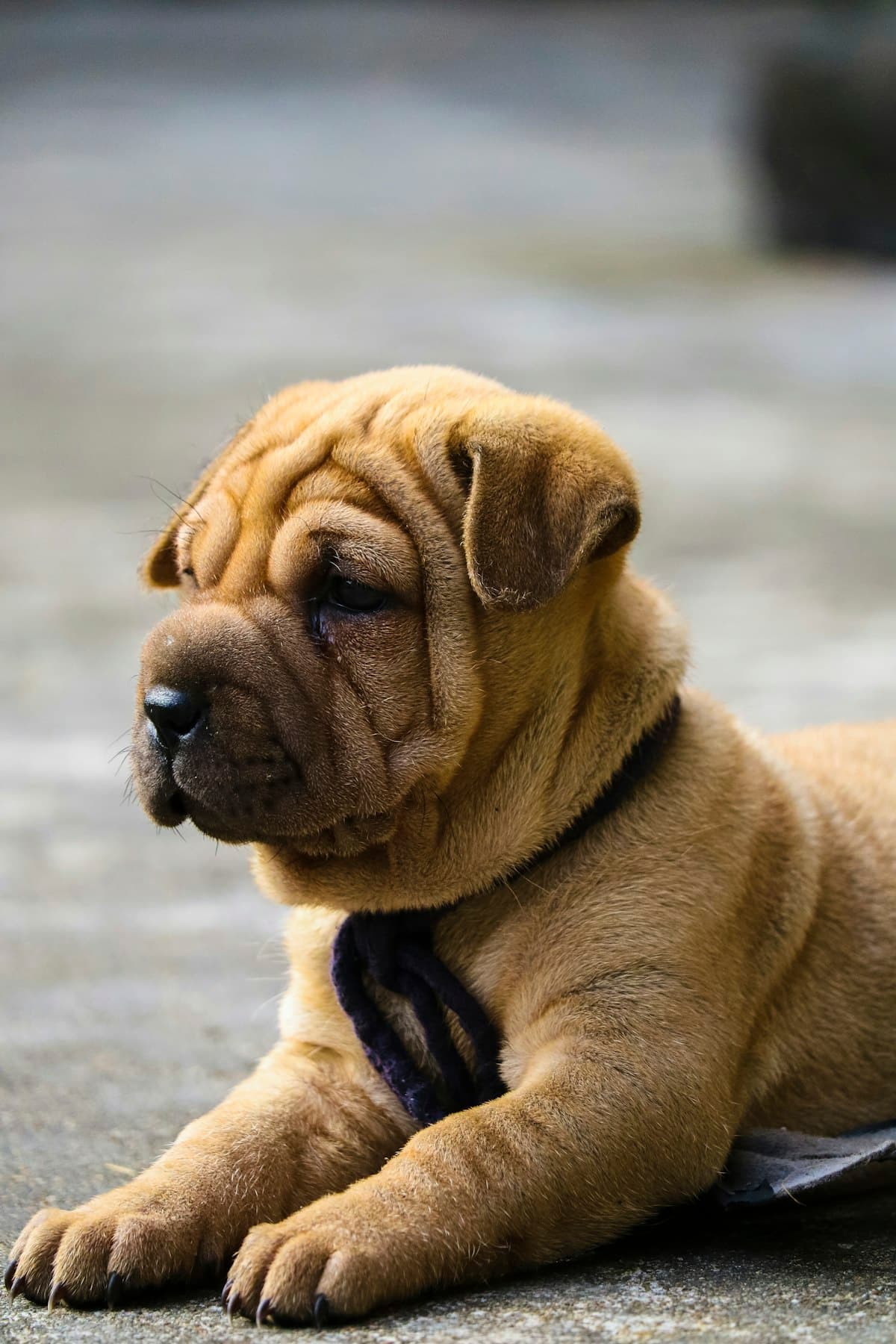
Winston Churchill called them "the most British thing there is." Queen Victoria adored them. And today, the English Bulldog's wrinkly face, pushed-in nose, and distinctive waddle have made them one of the most recognizable—and beloved—breeds in the world.
But here's what you need to know before that adorable puppy waddles into your life: English Bulldogs are not low-maintenance dogs. Their unique anatomy comes with unique challenges. Breathing issues, temperature sensitivity, skin fold infections, and joint problems require vigilant care. The good news? With proper management, Bulldogs are among the most loving, loyal, and downright amusing companions you'll ever meet.
This guide covers everything you need for your Bulldog's first 30 days—from managing their breathing to cleaning those adorable wrinkles, from house training to recognizing emergency warning signs.
Commemorating your new family member? Many Bulldog owners capture those wrinkly puppy faces with a custom pet portrait. Browse our English Bulldog portrait collection for inspiration.
Before Day 1: The English Bulldog Preparation Checklist
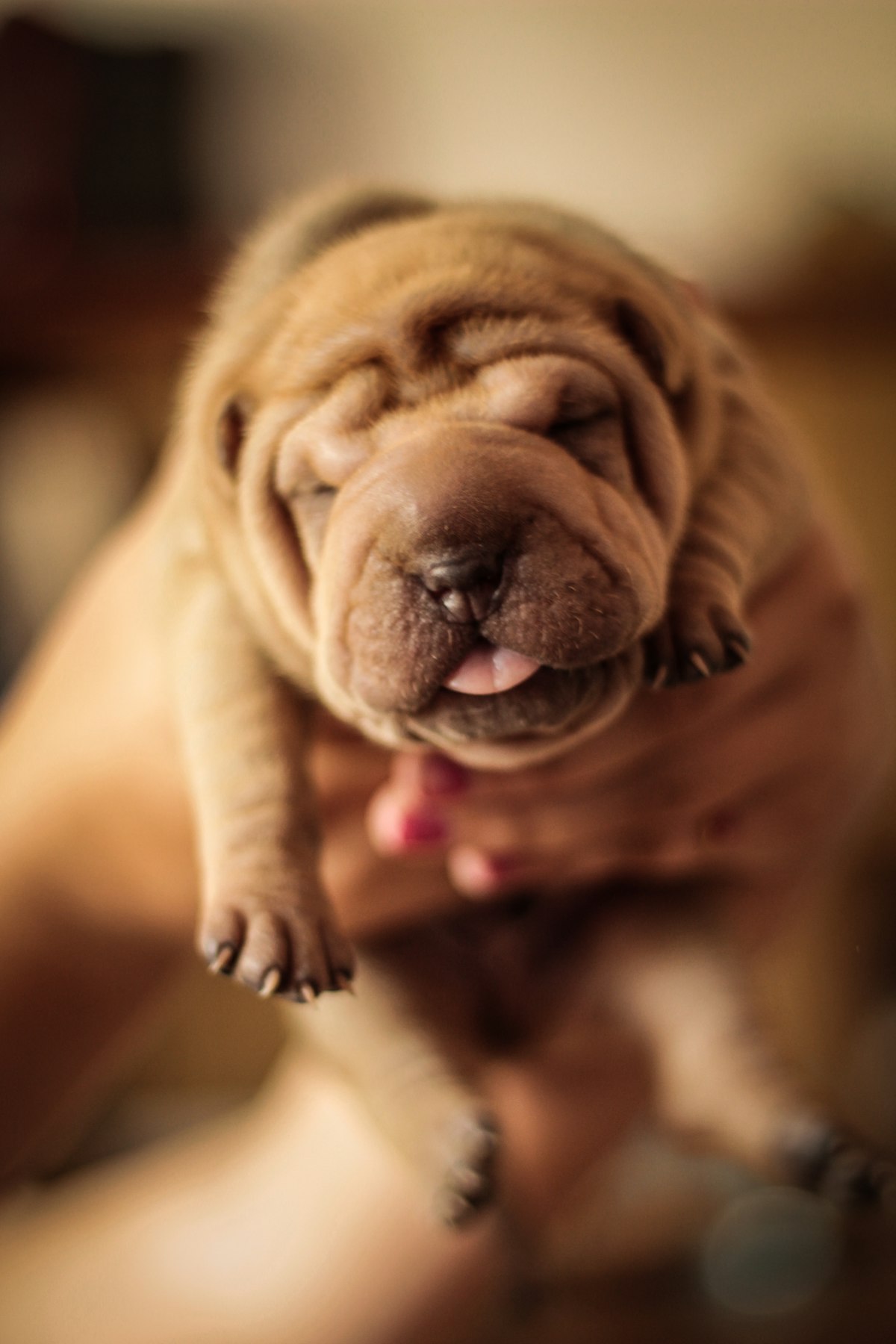
English Bulldog puppies typically come home at 8-10 weeks. They're compact, chunky, and utterly adorable—but their flat faces (brachycephalic structure) require special consideration from Day 1.
Essential Supplies for Your Bulldog Puppy
Climate control: This comes first because it's critical. Bulldogs cannot regulate body temperature effectively. You need: AC in summer, heating in winter, and the ability to keep indoor temperatures between 60-75°F year-round. Budget for increased utility bills.
Cooling gear: Cooling mats, cooling vests, portable fans. Bulldogs overheat quickly and can go into respiratory distress. Always have cooling options available.
Appropriately sized crate: Bulldogs are medium-sized but dense. A 36" crate typically works. Ensure adequate ventilation—Bulldogs need airflow.
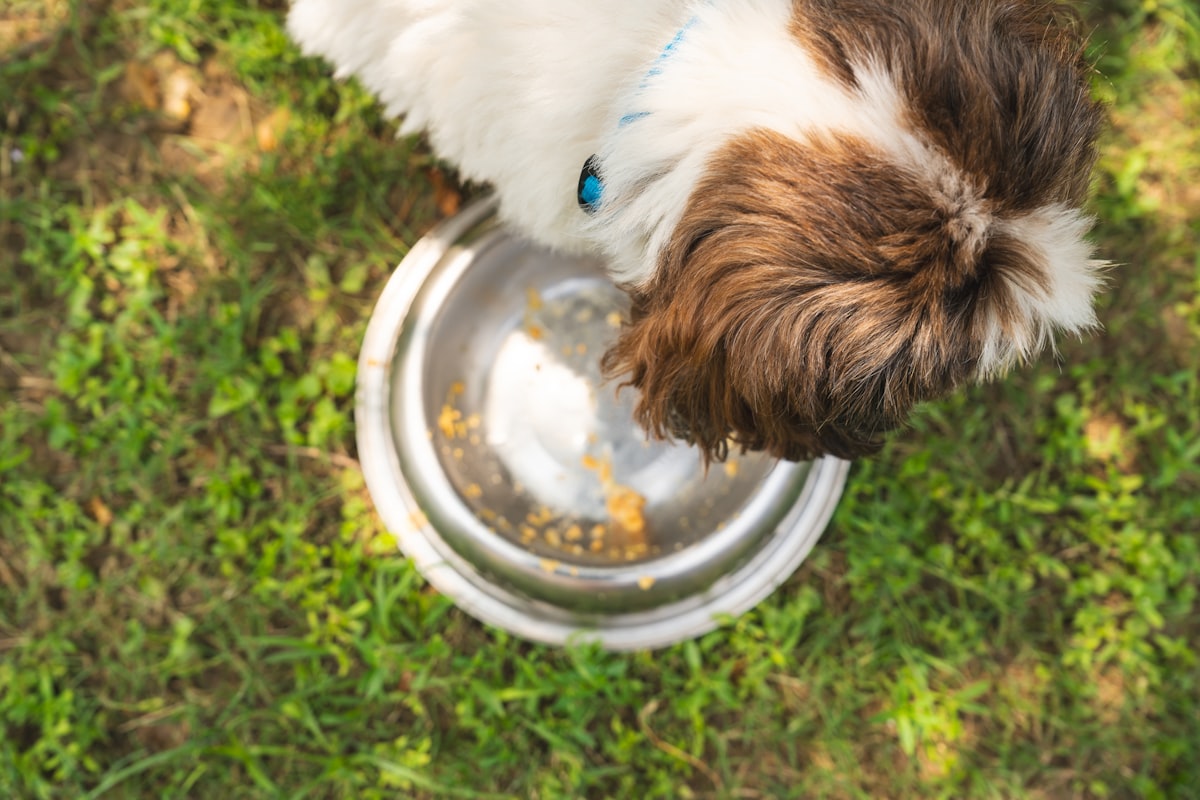
Elevated food and water bowls: Helps with digestion and reduces air swallowing during eating (which can worsen breathing issues and cause gas).
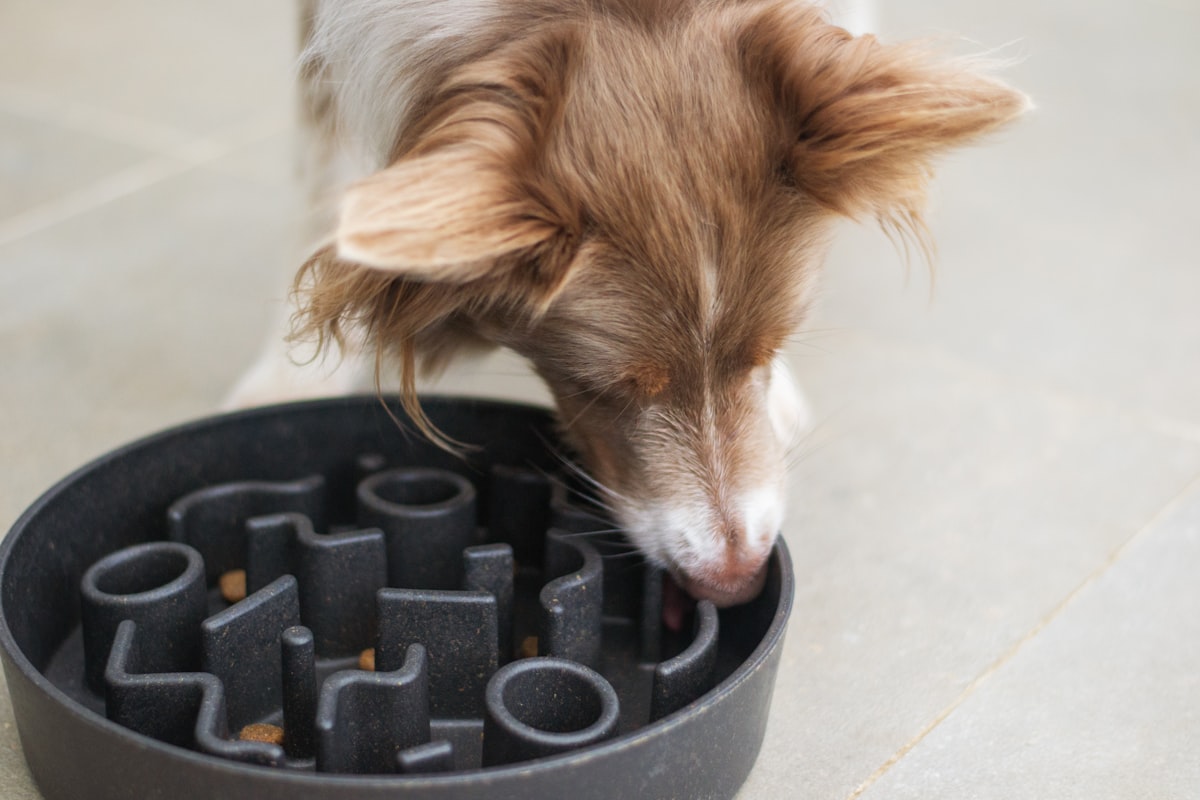
Slow-feeder bowl: Bulldogs tend to gulp food, which increases choking risk and digestive problems. A slow-feeder is nearly essential.
High-quality puppy food: According to the AKC, Bulldogs are prone to obesity. Choose a quality formula and measure portions carefully.
Wrinkle care supplies: Baby wipes (unscented), wrinkle paste or balm, and cotton balls. You'll clean those facial folds daily.
Harness (never collar for walks): Bulldogs have delicate tracheas. A well-fitted harness distributes pressure across the chest instead of the neck. This is non-negotiable for breathing health.
Pet health insurance: Strongly recommended. Bulldogs have higher-than-average veterinary costs due to their structural issues. Research policies that cover breed-specific conditions.
Finding a Brachycephalic-Experienced Vet
Before bringing your puppy home, establish a relationship with a vet experienced in brachycephalic (flat-faced) breeds. They'll understand:
- Anesthesia risks specific to Bulldogs
- BOAS (Brachycephalic Obstructive Airway Syndrome) assessment and treatment
- Common Bulldog health issues
- When breathing difficulties become emergencies
Day 1: Bringing Your Bulldog Puppy Home
The first day sets the foundation. Your puppy is stressed, confused, and in a new environment—all of which can worsen breathing difficulties. Keep Day 1 calm and controlled.
The Car Ride Home
Run the AC first. Cool the car before loading your puppy. Bring a small crate or carrier, water, and paper towels. Watch for signs of overheating: excessive panting, drooling, red gums, or distress. If you see these, stop, offer water, and cool the puppy immediately.
First Hours at Home
- Keep it cool: Ensure your home is at a comfortable temperature (68-72°F ideal).
- Potty break first: Carry your puppy to the designated potty spot. Wait for them to go, then praise calmly.
- Limited exploration: Let them sniff one room. Bulldogs tire quickly—don't overwhelm them.
- Water access: Always have fresh water available. Hydration helps breathing.
- Small meal after settling: Wait 1-2 hours before offering food. Stress can cause digestive upset.
- Crate introduction: Show them the crate with treats. Don't force entry—let them explore.
The First Night
Bulldogs often adapt to crate training well—they're natural nappers who appreciate a cozy den. Some breeders recommend keeping the crate in your bedroom initially so the puppy can hear you breathe (pack comfort).
Expect some whining or snoring. Yes, snoring—Bulldogs snore loudly, even as puppies. This is normal unless accompanied by severe respiratory distress.
Take potty breaks every 3-4 hours. Bulldog puppies have small bladders and limited holding capacity.
Week 1: Understanding Your Bulldog's Needs (Days 1-7)
Week 1 is about observing, bonding, and establishing routines. Pay close attention to your puppy's breathing patterns—you're learning their "normal" so you can spot problems.
Monitoring Breathing
According to VCA Hospitals, Brachycephalic Obstructive Airway Syndrome (BOAS) affects many Bulldogs to varying degrees. Learn to recognize:
Normal Bulldog breathing:
- Some snoring during sleep
- Occasional snorting
- Mild panting after activity
- Breathing that settles quickly at rest
Warning signs requiring vet attention:
- Constant open-mouth breathing
- Blue or gray gums or tongue
- Extreme, panicked breathing
- Collapsing or fainting
- Inability to exercise even briefly
- Regurgitation or vomiting after eating
House Training
Bulldogs can be stubborn about house training—patience is key. Take them out:
- Immediately after waking
- 10-15 minutes after eating
- After play sessions
- At least every 2 hours otherwise
Weather considerations: Bulldogs shouldn't be outside long in extreme temperatures. In hot weather, quick potty trips only. In cold weather, consider a puppy sweater and brief outings.
Feeding Schedule
At 8-12 weeks, feed three times daily. Use a slow-feeder bowl to prevent gulping. Measure portions according to food guidelines—Bulldogs gain weight easily, and obesity worsens breathing problems.
Typical schedule:
- 7:00 AM — Breakfast (in slow-feeder)
- 12:00 PM — Lunch
- 5:00 PM — Dinner
- No free-feeding; remove uneaten food after 15 minutes
Week 2: Daily Care Routines (Days 8-14)
By Week 2, you're establishing the daily care routines that will keep your Bulldog healthy for life. These wrinkly faces need wrinkly face maintenance.
Wrinkle Cleaning (Daily)
Those adorable facial folds trap moisture, food debris, and bacteria. Without daily cleaning, infections develop. Here's the routine:
- Use a baby wipe or damp cotton ball to gently clean inside each fold
- Lift the skin roll and wipe underneath
- Pay special attention to the nose rope (the fold over the nose)
- Dry thoroughly—moisture causes problems
- Apply wrinkle balm or paste if recommended by your vet
Signs of wrinkle infection: redness, swelling, odor, discharge, or your puppy scratching at their face. See your vet if these appear.
Tail Pocket Cleaning
Many Bulldogs have a "tail pocket"—a fold of skin beneath their corkscrew tail that also traps debris. Clean this during wrinkle care sessions with the same wipe-and-dry method.
Ear Care
Those rose-shaped ears need weekly cleaning. Use a vet-recommended ear cleaner on a cotton ball. Never insert anything into the ear canal—clean only what you can see.
Basic Training Begins
Bulldogs are smart but stubborn. Training requires patience and high-value rewards. They respond well to positive reinforcement but will dig in their heels if pushed.
Week 2 commands:
- Sit: Easy for Bulldogs—they like sitting. Use a treat lure over their head.
- Name recognition: Say name, treat when they look at you. Repeat constantly.
- Come: Start in small spaces. Make coming to you extremely rewarding.
Training tips for Bulldogs:
- Keep sessions under 5 minutes—they overheat and lose focus
- Train in cool environments
- Use high-value treats (they're food-motivated)
- End on success, even if you need to simplify the ask
- Never train immediately after eating
Week 3: Socialization Considerations (Days 15-21)
Socialization is critical for all puppies, but Bulldogs require modified approaches due to their physical limitations.
Modified Socialization for Brachycephalic Puppies
The goal is positive exposure without physical stress:
- Shorter outings: 10-15 minutes maximum in moderate weather
- Bring water everywhere: Hydration prevents overheating
- Watch for stress: Heavy panting, refusing to move, or sitting down means time to go home
- Carry them if needed: It's fine to carry your Bulldog puppy to new experiences
- Car rides with AC: Great socialization that keeps them cool
What to Expose Them To
People: Different ages, appearances, uniforms, hats. Let people approach calmly and offer treats.
Sounds: Traffic, household appliances, TV. Play recordings of thunderstorms and fireworks at low volume.
Surfaces: Grass, concrete, tile, carpet. Bulldogs have sensitive paws—keep surfaces not too hot or cold.
Other dogs: Controlled introductions with calm, vaccinated dogs. Avoid dog parks until fully vaccinated and even then, choose carefully—Bulldogs can't escape conflicts easily.
Puppy Classes
Look for puppy classes in air-conditioned facilities with instructors experienced in brachycephalic breeds. Alert them to your Bulldog's cooling needs. Bring water and be prepared to take breaks.
Week 4: Health Foundations (Days 22-30)
By Week 4, you know your puppy's personality, breathing patterns, and routines. Now focus on long-term health foundations.
Exercise: Less Is More
Bulldogs are not athletes. Their compressed airways, heavy bodies, and joint issues mean limited exercise tolerance:
- Walks: 10-15 minutes in moderate temperatures, twice daily maximum
- Play: Short bursts of play, then enforced rest
- Avoid: Running, jumping, stairs (hard on joints), any activity in heat
- Swimming: Most Bulldogs cannot swim safely—their body structure makes them sink. Never leave a Bulldog near water unsupervised.
Weight Management
Obesity is devastating for Bulldogs—it worsens every health issue they're prone to. From Week 4 onward:
- Weigh regularly and track
- Follow feeding guidelines strictly
- Limit treats (count them toward daily calories)
- Learn to body-condition score your dog
Vet Relationship
By now you should have completed your first vet visit and started the vaccination schedule. Discuss:
- BOAS assessment—does your puppy need monitoring or early intervention?
- Spay/neuter timing (often recommended earlier for health reasons)
- Joint health supplements appropriate for growing Bulldogs
- Establishing annual exam schedule
- Emergency protocols for breathing crises
Your 30-Day Bulldog Milestone Timeline
| Day | Milestone | Notes |
|---|---|---|
| 1 | Bring puppy home | Keep cool, calm environment |
| 2-3 | Establish routines | Feeding, potty, sleeping schedule |
| 4-7 | Learn breathing baseline | Know what's normal for YOUR puppy |
| 7 | First vet visit | BOAS assessment, vaccines started |
| 8-10 | Daily wrinkle care established | Cleaning routine becomes habit |
| 11-14 | Basic training started | Name, sit, short sessions |
| 15-18 | Gentle socialization | Modified for breathing limitations |
| 19-21 | Puppy class enrollment | AC facility, brachycephalic-aware |
| 22-25 | Exercise routine established | Short, cool-temperature walks |
| 26-28 | Weight monitoring started | Track growth, body condition |
| 29-30 | 30-day assessment | Note progress, areas to work on |
Frequently Asked Questions
Is my Bulldog's breathing normal?
Some snoring and snorting is normal for Bulldogs. Concerning signs include: constant open-mouth breathing at rest, blue-tinged gums, inability to exercise briefly without distress, or collapsing. When in doubt, video the breathing and show your vet. They'd rather see a false alarm than miss a real problem.
How do I keep my Bulldog cool in summer?
AC is essential—not optional. For outdoor time: early morning or evening only, bring water, use cooling vests, watch for overheating signs (excessive panting, drooling, red gums), and cut outings short. Never leave a Bulldog in a car, even briefly. They can overheat in minutes.
Why is my Bulldog puppy so gassy?
Bulldogs swallow air when eating and breathing due to their facial structure. This causes gas. Minimize it with: slow-feeder bowls, elevated food dishes, no exercise immediately after eating, and quality food. Some gas is inevitable—it's part of Bulldog ownership.
Can English Bulldogs swim?
No—most cannot. Their heavy, front-loaded bodies and short legs make swimming extremely dangerous. Many Bulldogs sink immediately. Never leave your Bulldog near pools, ponds, or other water unattended. If you have a pool, install a fence.
How often should wrinkles be cleaned?
Daily cleaning is recommended for facial folds and the nose rope. Tail pockets may need cleaning every 1-3 days depending on your dog. Watch for redness, odor, or discharge—these indicate infection and need vet attention.
Celebrate Your Wrinkly Companion
These first 30 days are the beginning of a relationship like no other. English Bulldogs are demanding—there's no pretending otherwise. The breathing management, the wrinkle care, the temperature vigilance—it's more work than many breeds require.
But Bulldog owners know the secret: that wrinkly face, that ridiculous waddle, that loyal and loving personality make it all worthwhile. They're clowns who take themselves very seriously. They're stubborn individualists who want nothing more than to be with their people. They're uniquely, wonderfully, impossibly Bulldogs.
That squishy face, those expressive eyes, the rolls upon rolls of wrinkles—your Bulldog puppy is a work of art worth commemorating.
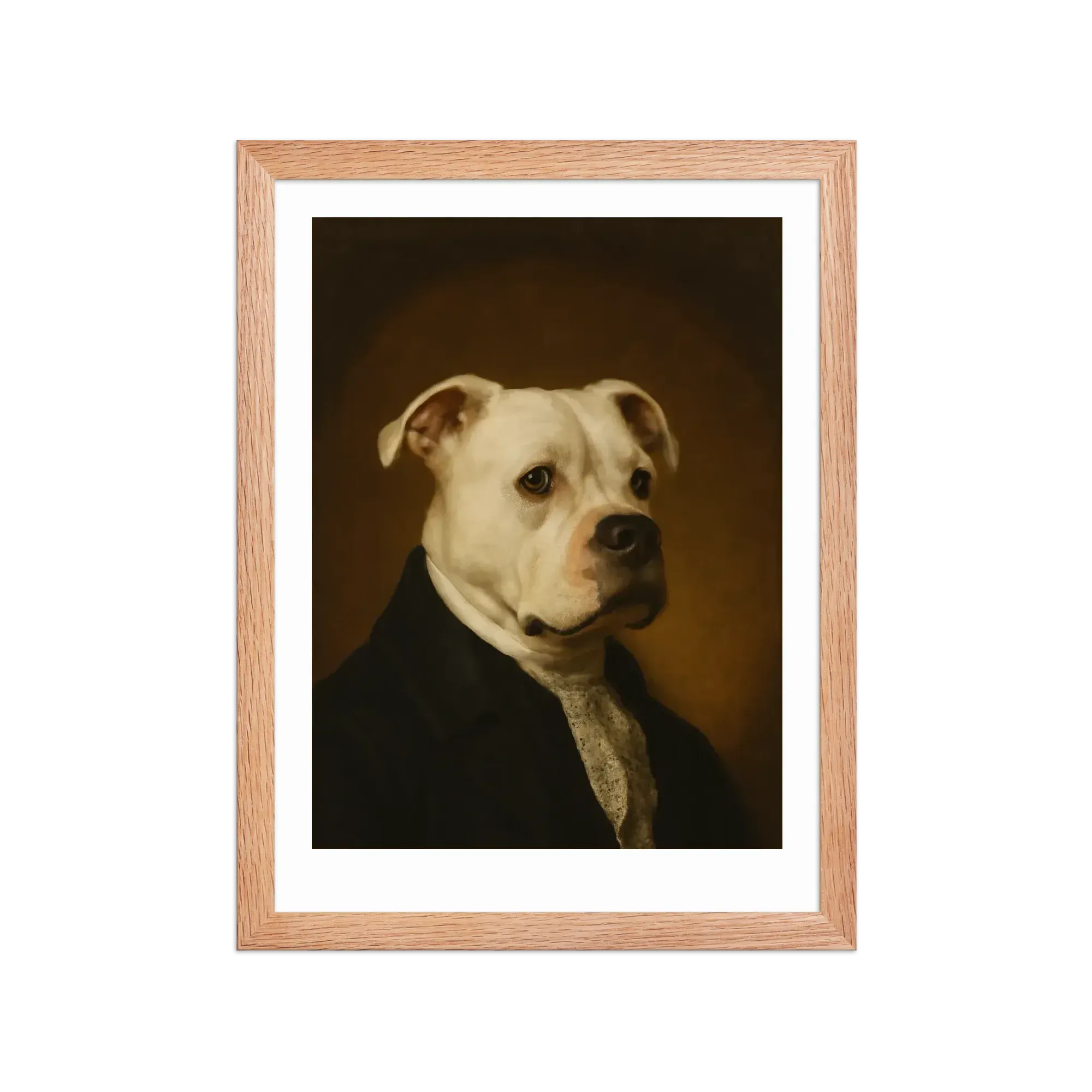
Ready to immortalize your Bulldog's personality? Create a custom pet portrait in minutes—from regal royalty to pop art icon. Or browse our English Bulldog portrait gallery for inspiration. Because your wrinkly companion deserves to be celebrated.