British Shorthair Kitten First 30 Days: Complete New Owner Guide (2026)
Bringing home a British Shorthair kitten? This comprehensive guide covers everything from Day 1 preparation to Week 4 milestones, with breed-specific tips for the dignified teddy bear of the cat world.
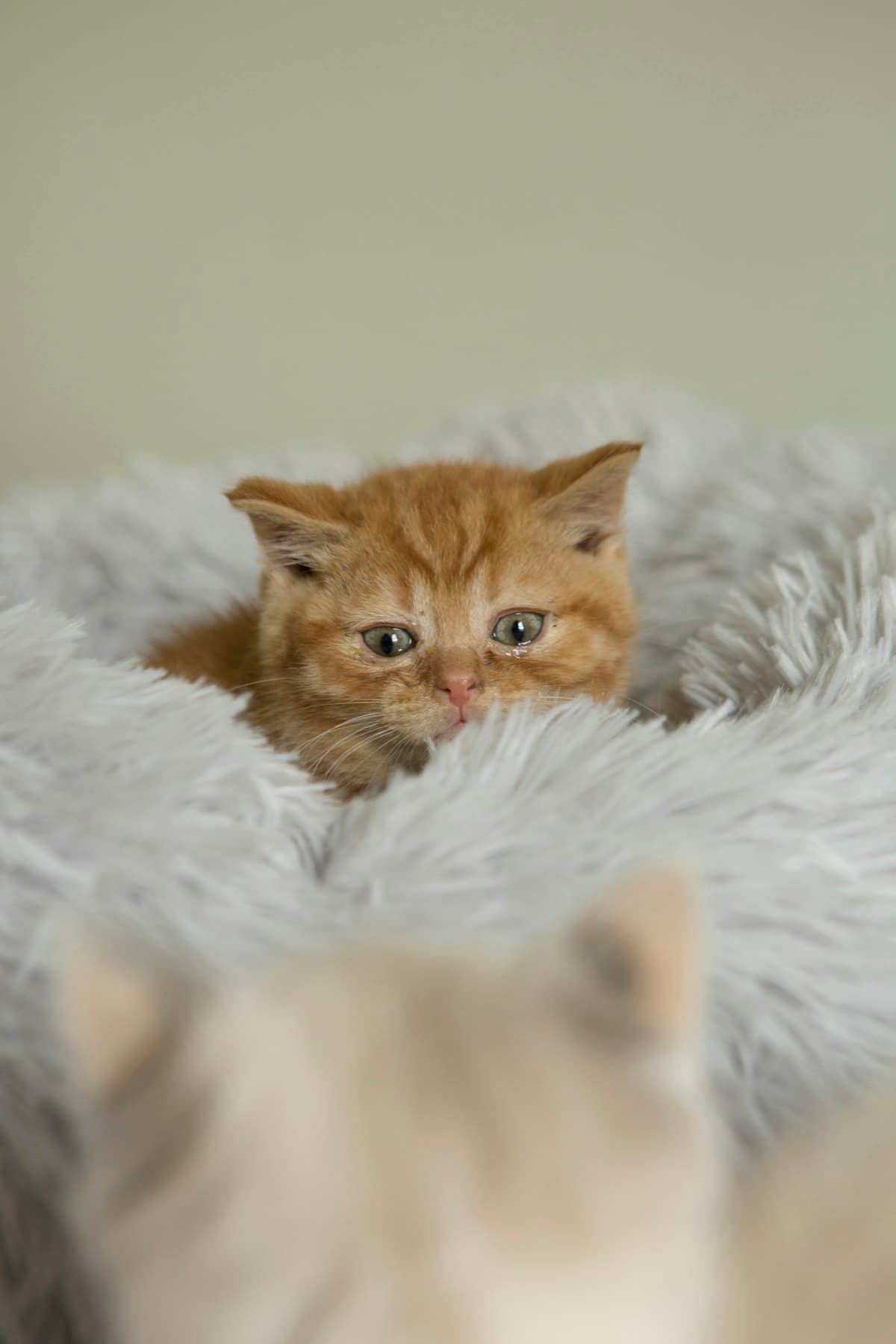
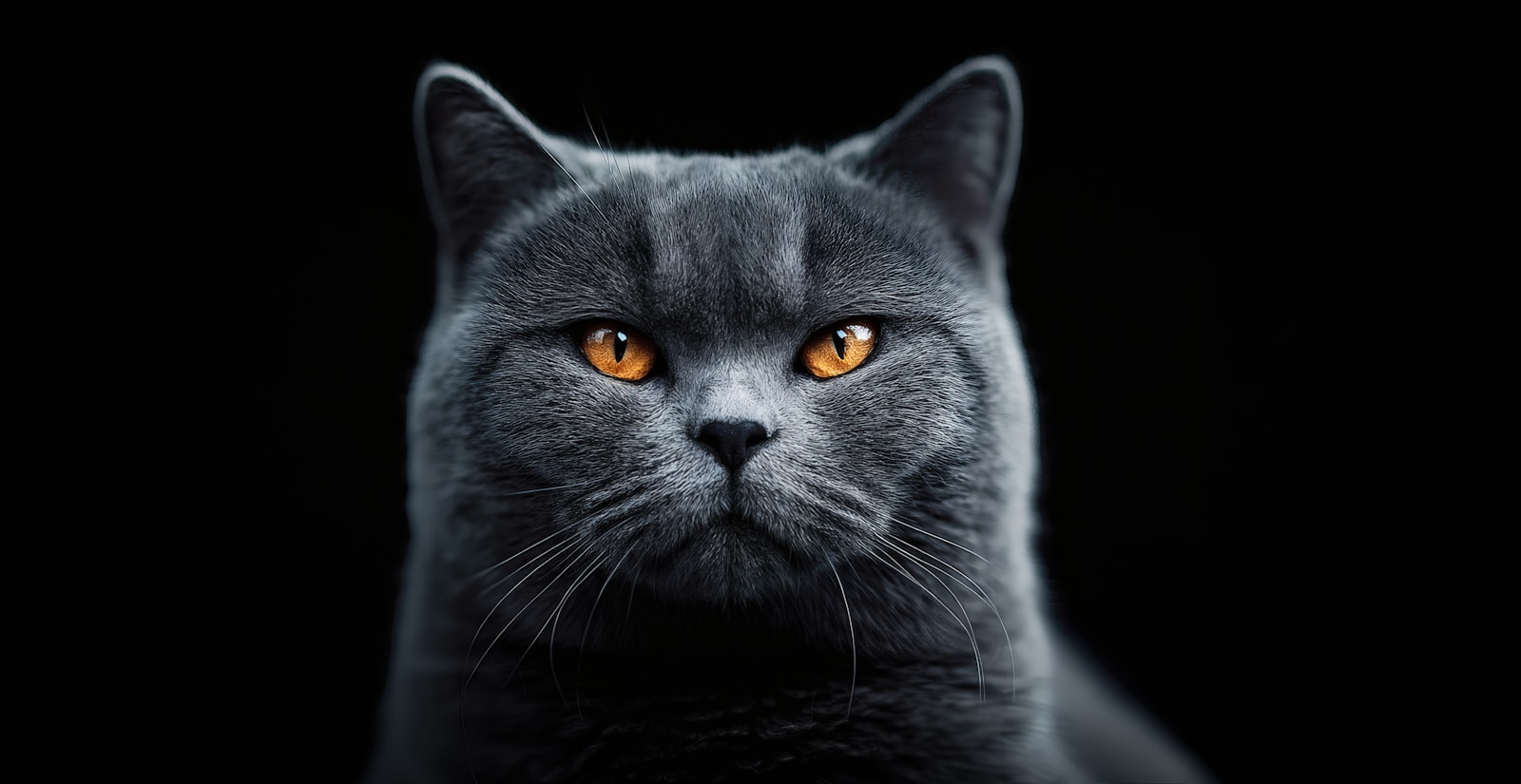
With their round faces, plush coats, and perpetually wise expressions, British Shorthairs look like living teddy bears—or perhaps the Cheshire Cat incarnate. They're one of Britain's oldest cat breeds, descendants of cats brought by Romans and refined over centuries into the dignified, sturdy companions we know today.
British Shorthairs are calm, loyal, and independent. They'll bond deeply with their families but on their terms. Don't expect a lap cat who demands constant attention. Instead, expect a companion who'll sit near you (not necessarily on you), observe household activities with philosophical interest, and maintain an air of quiet dignity even while chasing a feather toy.
This guide covers everything you need for your British Shorthair's first 30 days—from respecting their need for personal space to monitoring for breed-specific health concerns.
Celebrating your new teddy bear? Many British Shorthair owners capture that round face with a custom pet portrait. Browse our British Shorthair portrait gallery for inspiration.
Before Day 1: The British Shorthair Preparation Checklist
British Shorthair kittens typically come home at 12-16 weeks. Responsible breeders keep them longer for proper socialization and health screening. Your kitten will already have that distinctive round face and plush coat, though they'll continue filling out for years.
Essential Supplies for Your British Shorthair Kitten
Large, sturdy litter box: British Shorthairs are solid, stocky cats (males reach 12-18 lbs). Even kittens need room to maneuver. Choose an uncovered box with low sides for easy access.
High-quality kitten food: British Shorthairs grow slowly, reaching full size around 3-5 years. According to the CFA, they can be prone to obesity, so quality nutrition matters. Choose a premium kitten formula.
Cozy beds and hiding spots: British Shorthairs value their personal space. Provide quiet retreats—cat caves, covered beds, or boxes—where they can observe without being disturbed.
Sturdy cat tree: They're not the most athletic breed but enjoy elevated perches for observation. Choose stable structures that can support their weight.
Grooming supplies: Their dense, plush coat needs regular brushing. Get a quality bristle brush or rubber grooming mitt.
Interactive toys: Despite their laid-back reputation, British Shorthairs are playful. Wand toys, balls, and puzzle feeders provide enrichment.
Water fountain: Encourages hydration, important for urinary health.
Creating a British Shorthair-Friendly Environment
British Shorthairs appreciate:
- Quiet spaces: Places to retreat from household chaos
- Observation spots: Perches where they can watch activity
- Routine: They're creatures of habit who prefer predictability
- Respect for boundaries: They'll come to you when ready

Day 1: Bringing Your British Shorthair Kitten Home
British Shorthairs are generally calm and adaptable, but they also need time to assess new situations. Don't be surprised if your kitten seems reserved at first—they're evaluating their new kingdom.
The Car Ride Home
Use a secure carrier lined with soft bedding. British Shorthairs often travel calmly, though some may vocalize. Keep the car cool and quiet. Don't let them roam free, no matter how adorable their protests.
First Hours at Home
- Set up a single room: Start with one room as their base—litter box, food, water, bedding, hiding spot. British Shorthairs prefer to explore gradually.
- Open the carrier: Let them exit when ready. Don't force them out—British Shorthairs value autonomy.
- Give them space: Sit quietly in the room. Let them approach you when curious. Forcing interaction backfires with this breed.
- Introduce litter box: Place them in it briefly so they know the location.
- Offer water first, then food: After they've explored and settled (30-60 minutes for water, another hour for a small meal).
The First Night
British Shorthairs are often independent enough to settle well, but some kittens miss littermates:
- Keep them in their base camp room with cozy options
- A warm bed or snuggle toy may help
- They may or may not want bedroom access—follow their preference
- Don't scold distress vocalizations; offer quiet reassurance
Week 1: Understanding British Shorthair Temperament (Days 1-7)
Week 1 is about establishing routine and understanding your kitten's personality. British Shorthairs have distinct temperament traits to appreciate.
The British Shorthair Personality
What to expect:
- Independent: They enjoy company but don't demand constant attention
- Dignified: They're not typically lap cats (though exceptions exist)
- Loyal: They bond deeply but show it subtly—sitting near you, following room to room
- Calm: Less frenetic than many breeds; they observe before acting
- Quiet: Soft-voiced; they communicate without excessive meowing
- Tolerant: Patient with children and other pets when properly socialized
- Playful: Despite their dignity, they enjoy play sessions well into adulthood
What NOT to do:
- Don't force cuddling or holding—they'll resist and remember
- Don't expect them to come running every time you call
- Don't mistake independence for indifference—they care; they just show it differently
- Don't overwhelm them with attention; let them initiate
Litter Box and Feeding
British Shorthairs are typically clean and consistent with litter habits. Ensure:
- Box is clean (scoop daily)
- Location is quiet and accessible
- Unscented litter (most cats prefer it)
Feeding at 12-16 weeks: 3-4 times daily. British Shorthairs can be food-motivated; measure portions to prevent overfeeding.
Week 2: Grooming and Health Awareness (Days 8-14)
British Shorthairs have that famous plush, dense coat—often described as "crisp" to the touch. It's not high-maintenance but needs regular care.
Coat Care
The British Shorthair coat is short but incredibly dense, with thick undercoat:
Grooming schedule: 2-3 times weekly; daily during seasonal shedding
Tools:
- Bristle brush or rubber grooming mitt
- Fine-toothed comb for undercoat
Technique:
- Brush with the coat direction first
- Use rubber mitt to remove loose hair
- Check for any skin issues while grooming
- Keep sessions short and positive
Note: British Shorthairs shed moderately year-round with heavier seasonal shedding. Regular brushing minimizes hair on furniture.
Health Screening Awareness
British Shorthairs are prone to several health conditions. Discuss with your vet:
Hypertrophic Cardiomyopathy (HCM):
- Most common heart disease in cats; elevated risk in British Shorthairs
- Responsible breeders screen parents
- Baseline echocardiogram around 1 year recommended
- Watch for: lethargy, breathing changes, exercise intolerance
Polycystic Kidney Disease (PKD):
- DNA test available; reputable breeders screen
- If your kitten's parents are PKD-negative, risk is minimal
Hemophilia B:
- Blood clotting disorder; DNA testing available
- Responsible breeders test for this
First Vet Visit
Schedule during Week 1 or 2. Bring breeder health records and discuss:
- Vaccine schedule completion
- HCM and PKD screening status
- Weight monitoring plan
- Spay/neuter timing
Week 3: Socialization and Bonding (Days 15-21)
British Shorthairs benefit from socialization, though their naturally calm temperament helps them adapt to most situations.
Socialization on Their Terms
British Shorthairs socialize differently than more outgoing breeds. Respect their pace:
People:
- Introduce various people, but don't force interaction
- Let your kitten approach visitors when ready
- Ask guests to offer treats and respect boundaries
- Children should learn gentle handling and respect for the cat's space
Sounds and experiences:
- British Shorthairs are typically unflappable with household sounds
- Still expose to: vacuum, doorbell, TV, music
- Car rides in carrier (building comfort for vet visits)
- Handling for grooming and vet-type examinations
Other animals:
- British Shorthairs often do well with other calm pets
- Introduce slowly—their patience doesn't mean they won't be stressed
- Ensure they have escape routes and personal territory
Building Your Bond
British Shorthairs show love differently. To bond with them:
- Be present without demanding: Sit near them, read, work—they appreciate quiet company
- Play regularly: Interactive play builds positive associations
- Respect their "no": If they walk away, let them go
- Offer treats: Food motivation is a bonding tool
- Talk to them: British Shorthairs listen and respond with soft vocalizations
- Be patient: Their trust, once earned, is steady and lasting
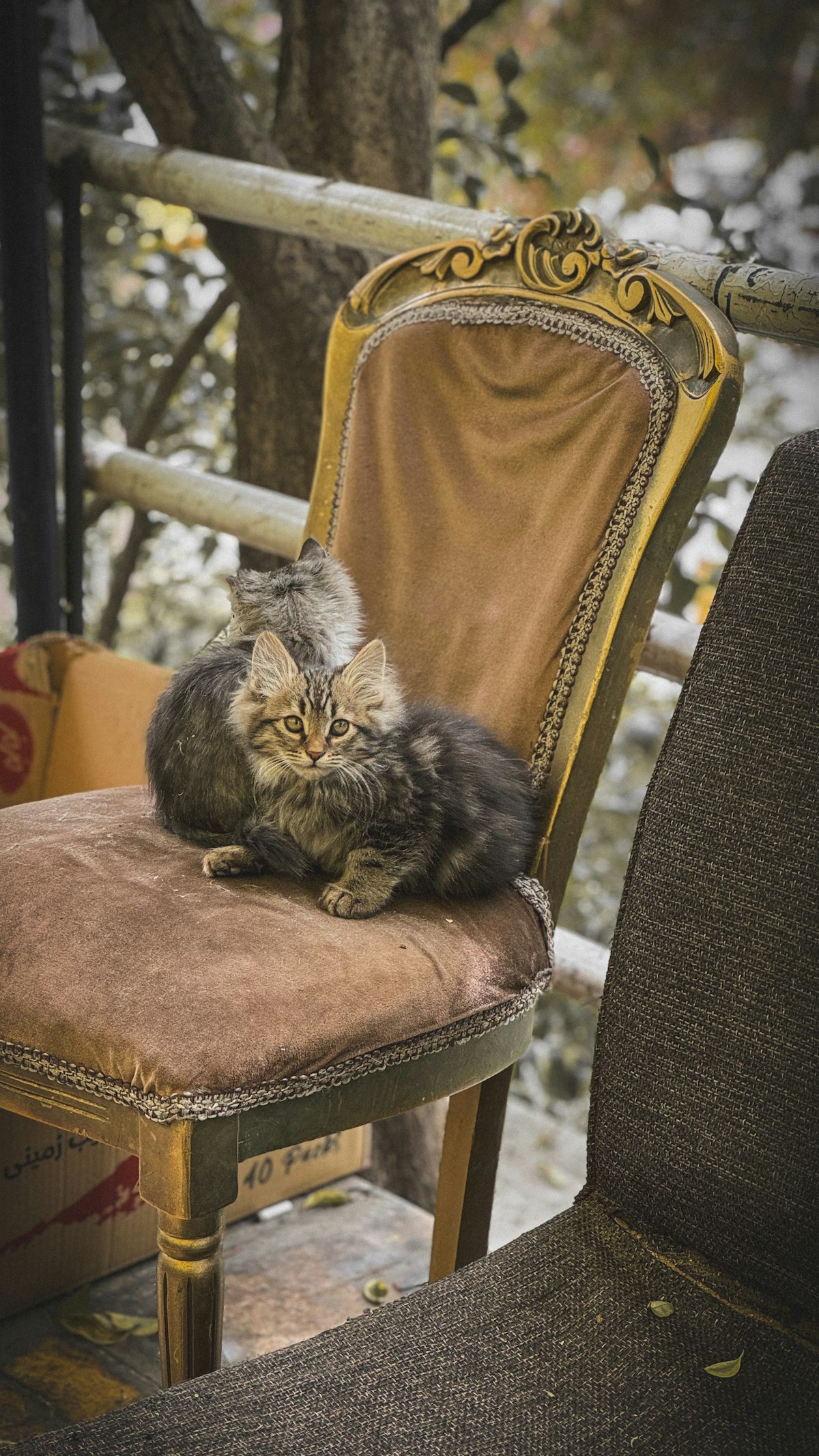
Week 4: Establishing Long-Term Care (Days 22-30)
By Week 4, your British Shorthair is settling into routines and their personality is evident. Focus now on habits that support lifelong health.
Weight Management
British Shorthairs are prone to obesity, which stresses their joints and heart. Start good habits now:
- Measure all food portions
- Limit treats (count toward daily calories)
- Don't free-feed; scheduled meals help monitor intake
- Weigh monthly and track trends
- Maintain play sessions for activity
Body condition:
- Feel ribs easily with light pressure
- See waist from above (British Shorthairs are naturally stocky but shouldn't be round)
- Males typically reach 12-18 lbs; females 8-14 lbs
Exercise and Enrichment
British Shorthairs aren't the most active breed, but they need stimulation:
- Daily play: Two 10-15 minute interactive sessions
- Puzzle feeders: Mental stimulation from working for food
- Vertical space: Cat trees for climbing and observation
- Window entertainment: Birds, squirrels, neighborhood watching
- Rotation of toys: Keep things interesting
Understanding Their Slow Maturity
British Shorthairs mature slowly:
- Full size reached around 3-5 years
- Continue kitten food until 12-18 months (consult vet)
- Personality continues developing—kittens may become more affectionate with age
- That plush coat reaches full density around 2-3 years
Your 30-Day British Shorthair Milestone Timeline
| Day | Milestone | Notes |
|---|---|---|
| 1 | Bring kitten home | Base camp setup, let them approach |
| 2-3 | Room exploration begins | At their pace, don't force |
| 4-5 | Feeding routine | Measured portions, 3-4 times daily |
| 6-7 | First vet visit | Health screening discussion |
| 8-10 | Grooming introduction | Short, positive sessions |
| 11-14 | Handling routine | Paws, ears, general handling |
| 15-18 | Socialization | New people (on cat's terms) |
| 19-21 | Play routines established | Interactive play twice daily |
| 22-25 | Weight baseline | Monthly weigh-ins started |
| 26-28 | Bond deepening | They may seek more proximity |
| 29-30 | 30-day assessment | Health, behavior, adjustment review |
Frequently Asked Questions
Are British Shorthairs really not lap cats?
Generally, yes—they prefer sitting near you rather than on you. But every cat is individual. Some British Shorthairs do enjoy laps, especially as they mature. Most, however, show affection by being in the same room, following you, and accepting (rather than demanding) pets.
Why does my British Shorthair seem aloof?
They're not aloof—they're dignified. British Shorthairs show love differently than demanding breeds. They'll sit near you, greet you at the door, follow you room to room. They're loyal companions, just not clingy ones. As they settle and trust builds, many become more openly affectionate.
Do British Shorthairs get along with other pets?
Often very well. Their calm temperament makes them good companions for other cats and cat-friendly dogs. Introduce new pets slowly. They prefer peaceful environments and may be stressed by hyperactive or aggressive animals.
How do I know if my British Shorthair is happy?
Signs of a happy British Shorthair: slow blinks (cat kisses), relaxed posture, sitting near you, greeting you when you come home, playing with toys, consistent appetite and litter box habits, soft purring, and that characteristic expression of calm contentment.
When will my British Shorthair stop growing?
British Shorthairs mature slowly, reaching full size around 3-5 years. Males typically reach 12-18 lbs, females 8-14 lbs. Their coat reaches full density around 2-3 years. Don't rush to adult food—continue kitten nutrition until your vet recommends transitioning.
Celebrate Your Dignified Companion
These first 30 days are the beginning of a relationship with one of the most steadfast cat breeds in existence. British Shorthairs don't demand your attention—they earn your respect. They're calm in chaos, loyal without clinginess, and dignified without pretension. Over time, that reserved kitten will become your most devoted companion.
That round face, those wise eyes, that plush teddy bear coat—your British Shorthair is already a portrait of feline dignity worth celebrating.

Ready to immortalize your dignified companion? Create a custom pet portrait in minutes—from distinguished nobility to playful pop art. Or browse our British Shorthair portrait gallery for inspiration. Because your elegant friend deserves to be celebrated.