Bengal Kitten First 30 Days: Complete New Owner Guide (2026)
Bringing home a Bengal kitten? This comprehensive guide covers everything from Day 1 preparation to Week 4 milestones, with breed-specific tips on managing their incredible energy, satisfying their love of water, and preventing hereditary health conditions.
In 1963, a California breeder named Jean Mill made a controversial decision: she crossed a wild Asian Leopard Cat with a domestic cat. Her goal was to create a breed with the exotic spotted coat of a jungle cat but the temperament of a household companion. After decades of careful breeding, the Bengal cat emerged—a living work of art with a coat that seems to shimmer with gold dust and eyes that hold the intensity of their wild ancestors.
Here's what Bengal first-time owners quickly discover: this is not your average housecat. Bengals don't nap on the windowsill all day. They climb your bookshelves, turn on your faucets, demand interactive play sessions, and will absolutely judge you if you think a simple mouse toy is sufficient entertainment. They're the athletes of the cat world—and raising one requires understanding their unique needs.
This guide covers everything you need to navigate the first 30 days: from kitten-proofing for a cat who treats your home like an obstacle course, to understanding Bengal-specific health testing, managing their explosive energy, and yes—dealing with their famous obsession with water.
Welcoming a new feline family member? Many owners commemorate this special time with a custom pet portrait—a beautiful way to capture your kitten's wild beauty. Or explore our Bengal portrait collection for artistic inspiration.
Understanding Your Bengal: The Wild Genes Within
Before we dive into the practical care guide, it's essential to understand what makes Bengals different. According to TICA (The International Cat Association), Bengals were accepted as a new breed in 1986 and achieved championship status in 1991. Today, they're one of the most frequently exhibited breeds at cat shows worldwide.
Bengals are typically four or more generations removed from the Asian Leopard Cat (ALC), making them fully domesticated. However, those wild genes influence everything from their coat patterns to their behavior:
- High prey drive: Bengals are hunters. They'll stalk toys, pounce on moving objects, and need outlets for this instinct.
- Water fascination: Unlike most cats, many Bengals love water—playing in it, drinking from moving sources, and sometimes even joining you in the shower.
- Vertical orientation: The Asian Leopard Cat is a tree-dwelling species. Your Bengal will want to climb—and the higher, the better.
- High intelligence: Bengals can learn tricks, open doors, and will outsmart puzzle feeders that stump other cats.
- Social needs: These aren't independent cats. They bond deeply and can develop behavioral issues if left alone too long.
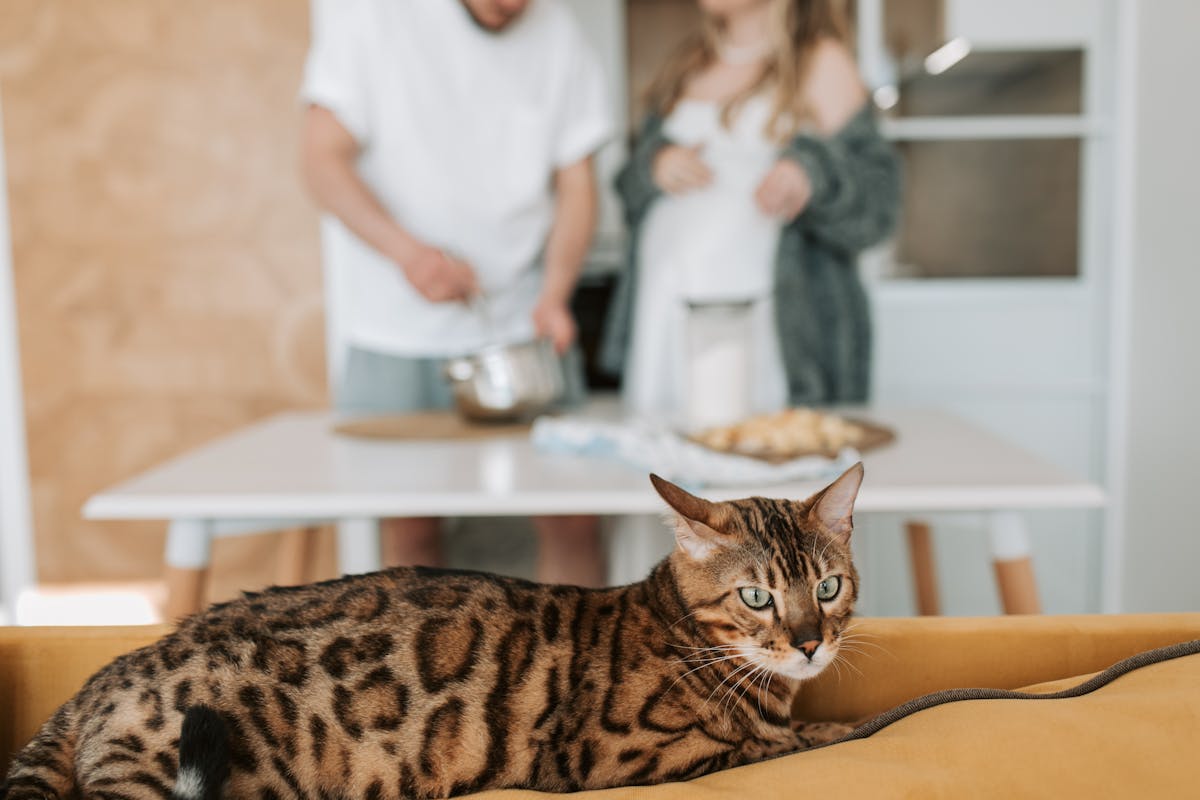
A 2024 Stanford Medicine study revealed something fascinating: the genetic mutations responsible for the Bengal's striking appearance—including the glitter effect—are actually domestic cat genes that were intensively selected after breeding with wild cats. About 60% of Bengals have this glitter trait, where translucent hollow hairs catch and reflect light, making the coat shimmer like gold dust.
Before Day 1: The Bengal Kitten Preparation Checklist
Bengal kittens typically go to their new homes at 12-16 weeks old—slightly later than some breeds, as reputable breeders want kittens fully vaccinated and well-socialized. This extra time with their mother and littermates helps develop good social skills.
Your preparation needs to account for a kitten who is more athletic, curious, and persistent than most. Standard "kitten-proofing" isn't enough.
Essential Supplies for Your Bengal Kitten
Tall cat trees (yes, plural): According to Belle Ami Bengals, because Bengals descend from tree-dwelling cats, their need for vertical space is higher than average. A few short cat trees won't cut it—they need structures that reach the ceiling or at least 6-10 feet tall. Place them in rooms where your family spends the most time; Bengals want to be where the action is, just observing from above.
Water fountain: Most Bengals refuse to drink from stagnant water bowls. Invest in a quality water fountain—stainless steel or ceramic only, never plastic. The Bengal Cat Club recommends models like the PetSafe Drinkwell Pagoda (extra sturdy for water-playing cats) or the Pioneer Pet Raindrop Stainless Steel fountain. Plan to clean the fountain weekly and change filters every two weeks.
Puzzle feeders: These aren't optional for Bengals—they're essential. Bengal cats are notoriously smart and easily bored. Bengal Rescue recommends rotating several puzzle feeders to keep meals mentally stimulating. Start with easier puzzles and increase difficulty as your kitten learns.
Large litter boxes: Some Bengals prefer larger-than-standard litter boxes. High-sided boxes are often better too, as Bengals may dig enthusiastically. Many Bengal owners find success with large storage containers converted into litter boxes. Plan on one box per cat plus one extra, scooped daily—Bengals won't use a dirty box.
Interactive toys: Wand toys like Da Bird, laser pointers (for supervised play only), and toys that mimic prey movement are essential. Stock up on a variety—Bengals quickly lose interest in toys they've "conquered."
Scratching posts: Sisal rope scratching posts (multiple!) placed throughout your home. Sprinkle with catnip to attract your kitten to appropriate scratching surfaces.
High-protein kitten food: Bengals have carnivorous roots and need protein-rich diets. Look for kitten food with at least 40% protein, grain-free if possible. Both wet and dry food are recommended—wet food helps with hydration.
Stainless steel food and water bowls: Never plastic. Plastic harbors bacteria that can cause feline acne and other issues. Keep water separate from food—cats instinctively avoid drinking near their food source.
Pheromone diffuser: Feliway or similar products can help ease the transition. Set it up several days before your kitten arrives.
Bengal-Proofing Your Home
Bengals don't just explore—they investigate, manipulate, and test boundaries. Pet Perfect Bengals emphasizes that careful cat-proofing is essential for this curious, persistent breed:
- Secure all cabinets: Child safety locks are necessary—Bengals learn to open doors and drawers
- Hide electrical cords: Use cord covers or conceal them completely; curious Bengals will chew
- Remove toxic plants: Lilies, philodendrons, and many common houseplants are poisonous to cats
- Secure window screens: Standard screens may not withstand a determined Bengal; consider pet-proof screening
- Close toilet lids: Bengals love water—and toilets are accessible water sources
- Remove fragile items: If it can be knocked over from a high shelf, it will be
- Check for escape routes: Inspect dryer vents, gaps behind appliances, and any space a kitten could squeeze into
Day 1: Bringing Your Bengal Kitten Home
Your kitten has just left everything familiar—their mother, littermates, and the only environment they've known. Even confident Bengals experience stress during this transition.
The Ride Home
Use a sturdy carrier secured in the car. Bring paper towels for potential motion sickness. Keep the environment calm—no loud music, and avoid passing the kitten around to excited family members.
The First Few Hours
According to Lap Leopard Bengals, new kittens should be placed in a small, contained area first—a bathroom or single bedroom works well. This "base camp" should contain:
- Litter box
- Food and water (separated)
- A hiding spot (carrier with door open, or covered bed)
- Scratching post
- A few toys
Don't let the kitten have run of the entire house immediately. Bengals are confident, but even they need time to adjust. They may cry for the first 48 hours or hide under the bed—this is normal.
Meeting the Family
Don't introduce too many people at once. Let the kitten get comfortable with one or two people first, then slowly introduce other family members over the next few days. If you have other pets, keep them completely separate for now.
The First Meal
According to Royal Bengal Cattery, stress from leaving their family can suppress a kitten's appetite. Wait a few hours after arrival, then offer wet food (slightly warmed makes it more enticing). If the kitten doesn't eat within 24 hours, contact your breeder or vet.
The First Night
Keep the kitten in their safe room with the pheromone diffuser running. They may cry—this is normal separation distress. Some owners place a ticking clock or heartbeat toy for comfort. Check on them periodically, but avoid the temptation to "rescue" them by bringing them to your bed (unless you want a permanent bed companion).
Week 1: Adjustment Period (Days 1-7)
The first week is about establishing routine, building trust, and letting your kitten decompress. Bengals adjust faster than many breeds due to their confident nature, but don't rush the process.
Litter Training
Most Bengal kittens arrive already litter-trained by their mother. However, in a new environment, you need to show them where the litter box is immediately. Place the kitten in the box several times on Day 1—after meals, after naps, and any time they start sniffing around.
Bengal litter box preferences:
- Many Bengals prefer larger boxes than standard sizes
- Unscented litter is usually preferred
- Clean the box daily—Bengals won't use a dirty box and may find "creative" alternatives
- If you have multiple cats, don't expect them to share immediately; provide separate boxes
If accidents occur, clean thoroughly with enzymatic cleaner (not ammonia-based products, which smell like urine to cats) and increase supervision.
Feeding Schedule
Kittens need more frequent meals than adult cats. At 12-16 weeks, feed 3-4 small meals daily. Untamed Cat Food notes that kittens need twice the nutrients of adult cats, so ensure you're using food specifically formulated for kittens.
Typical schedule:
- 7:00 AM — Breakfast (wet food)
- 12:00 PM — Lunch (dry food available)
- 5:00 PM — Dinner (wet food)
- Before bed — Small snack (optional)
Always keep fresh water available, preferably from a fountain. Many Bengals drink more water when it's moving.
Expanding Territory
Once your kitten is confident in their safe room (typically 2-4 days), begin supervised exploration of the rest of the house. Let them set the pace—follow their lead as they investigate new areas. Keep initial explorations short and return them to their safe room after.
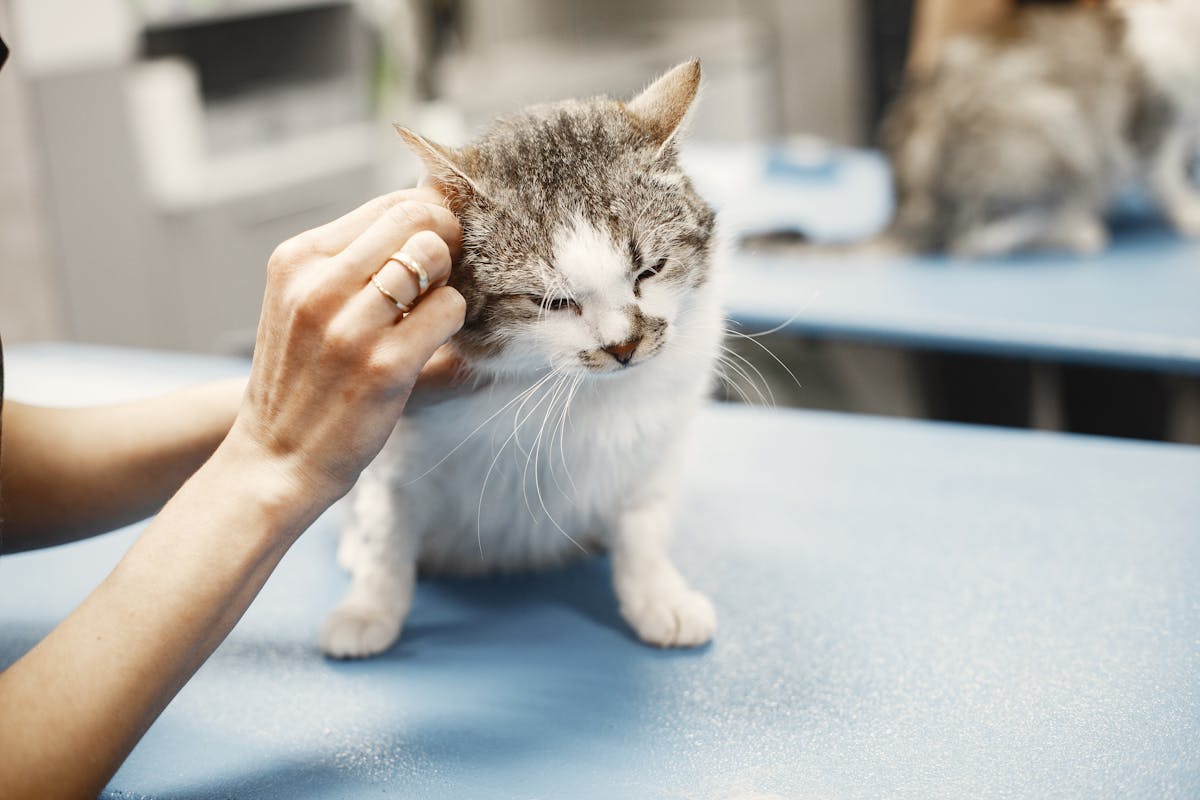
First Vet Visit
Schedule a vet visit within the first week if possible, or within 72-96 hours as many breeders recommend. Bring:
- Vaccination records from the breeder
- A stool sample for parasite testing
- Any health guarantee documentation
- Questions about Bengal-specific health concerns
According to Sploot Vets, the transition to a new home can stress developing immune systems, increasing susceptibility to infections. Watch for diarrhea, vomiting, or loss of appetite—these warrant immediate vet attention.
Week 2: Basic Handling and Energy Management (Days 8-14)
By Week 2, your Bengal should be settling in and showing their true personality—which likely means explosive energy. This is when many new owners realize they've adopted a furry tornado.
Understanding Bengal Energy Levels
According to Pet Perfect Bengals, the main difference between Bengals and domestic cats is their energy level, curiosity, and need for stimulation. Bengals love to run, play, and especially climb.
Daily exercise requirements:
- Kittens under one year need three times as much activity as adults
- Aim for 3-4 active play sessions of 15-30 minutes each day
- Both structured playtime (with you) and free play (with toys) are necessary
- Mental stimulation is equally important—puzzle feeders count as exercise
Without adequate outlets, Bengal kittens become destructive. They'll shred furniture, knock things off shelves, and develop behavioral issues like excessive vocalization or aggression.
Interactive Play Sessions
Wand toys are your best friend. Da Bird and similar feather toys that mimic prey movement can provide intense workouts. Other effective toys:
- Laser pointers (always end with a physical toy they can "catch")
- Crinkle balls and toys with unpredictable movement
- Treat-dispensing balls
- Fetch—yes, many Bengals play fetch naturally!
According to San Diego Bengals, a cat exercise wheel like the One Fast Cat wheel is an excellent option for Bengals. With minimal training, most Bengals take to running wheels enthusiastically—it lets them burn energy independently.
Handling and Touch
Week 2 is ideal for establishing positive associations with handling. Bengal kittens who learn to accept handling early become more manageable adults:
- Handle paws gently—prepare for future nail trims
- Touch ears and open mouth—prepare for future grooming and vet exams
- Practice picking up and holding—make it positive with treats
- Brush gently—even though Bengal coats are low-maintenance, they should accept grooming
Basic Training Begins
Bengals are highly trainable—far more than many people expect from cats. Purebred Kitties emphasizes starting training around 8-12 weeks, which means your Bengal may already be in the optimal window.
Week 2 training goals:
Name recognition: Say your kitten's name, then immediately treat when they look at you. Repeat dozens of times daily.
Come when called: After name recognition is solid, add "come" and reward when they move toward you.
Sit: Hold a treat above their head and move it back. As they look up, their bottom lowers. Mark and treat the moment they sit.
Clicker training: Bengals excel at clicker training. Buckaroo Bengals notes that you can teach Bengals to high five, fetch, and even jump through hoops using clicker training.
Keep sessions short—5-10 minutes maximum. Bengals learn quickly but also bore quickly.
Week 3: Socialization and Enrichment (Days 15-21)
The critical socialization window for kittens is approximately 2-7 weeks, but positive experiences continue to shape behavior well beyond that. Week 3 is about expanding your kitten's world safely.
Socialization Goals
According to Flappie, the foundation for a Bengal cat's future behavior is laid in these early weeks. Early and well-considered socialization helps the cat adapt to different environments and situations.
People exposure:
- Men, women, and children of various ages
- People wearing hats, glasses, uniforms
- Visitors to your home (in controlled, positive circumstances)
- People with different movement patterns (wheelchairs, walkers)
Sound exposure:
- Vacuum cleaners (start at a distance, paired with treats)
- Doorbell, phone ringtones
- Thunder and firework recordings (played quietly)
- TV, music, household appliances
Environment exposure:
- All rooms of your home
- Different surfaces (carpet, tile, wood)
- Carrier (make it a positive space for future vet visits)
- Car rides (short, positive trips)
Important: Every experience should be positive. If your kitten shows stress (hiding, refusing treats, hissing), reduce intensity and try again later.
Introducing Other Pets
If you have existing pets, Week 3 is often when formal introductions begin (though this varies based on your kitten's confidence and your other pets' temperament).
Cat-to-cat introductions:
- Scent swapping: Exchange bedding between animals before visual contact
- Visual introduction: Allow brief views through a baby gate or cracked door
- Supervised meetings: Short sessions with treats for positive behavior
- Never leave unsupervised until both animals are completely comfortable
Cat-to-dog introductions:
- Keep the dog leashed and calm
- Let the cat approach on their terms
- Ensure the cat has escape routes and high spaces
- Many Bengals do well with dogs due to their confident nature
Enrichment Essentials
Bengals need constant mental stimulation. Quality Bengal Kittens explains that puzzles exercise the mind, and a mentally worked cat is a content cat.
Enrichment rotation:
- Puzzle feeders (rotate different types to prevent boredom)
- Hiding treats around the house for "hunting"
- Paper bags and cardboard boxes (endless entertainment)
- Window perches for bird watching
- Cat TV videos (birds, fish, squirrels)
- New toys introduced regularly (hide old toys and reintroduce them later as "new")
Water Play
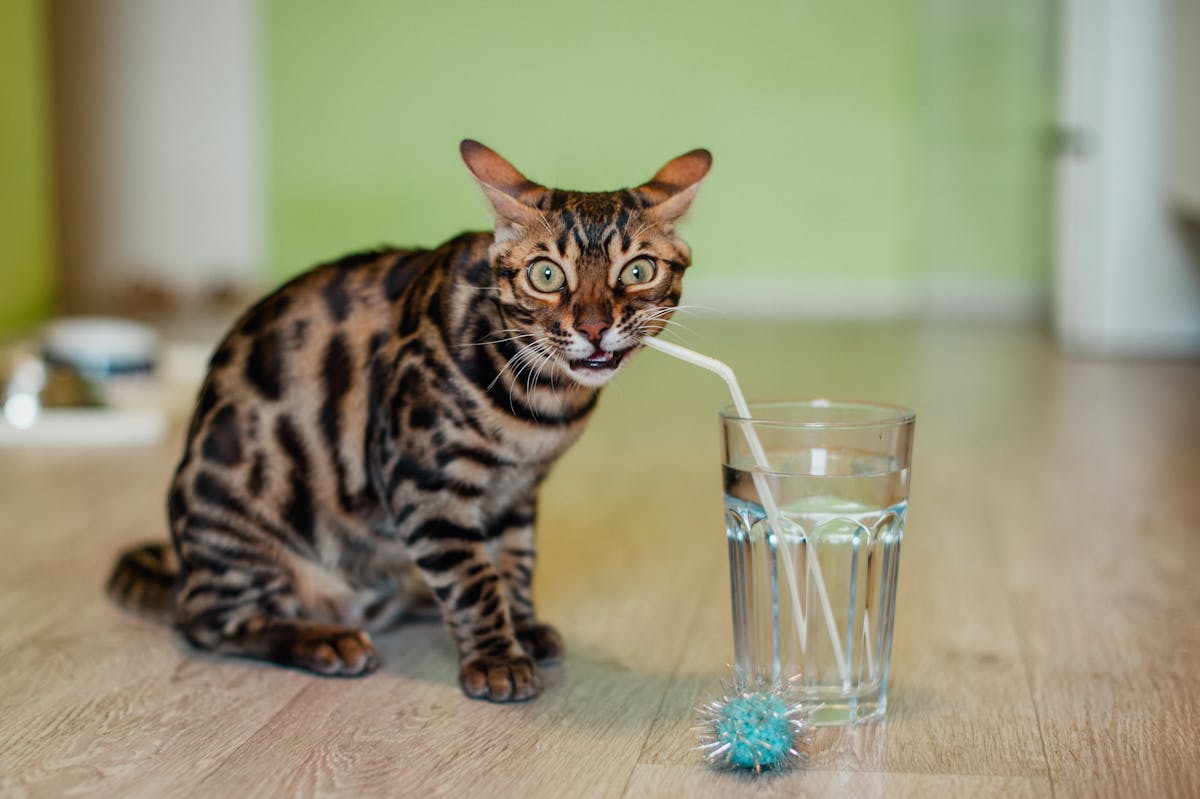
Bengals' love of water is legendary. According to Untamed, Bengals have an unusual love of water, whether it's pawing at faucet water or wading in toilets. Channel this safely:
- Provide a shallow water dish specifically for playing (separate from drinking water)
- Consider a pet water fountain with a wide basin
- Some owners fill a shallow tub or kiddie pool for supervised water play
- Keep toilet lids down—many Bengals will play in (or drink from) toilets
- Your Bengal may try to join you in the shower—this is normal!
Week 4: Health Focus and Establishing Routines (Days 22-30)
By Week 4, your Bengal should feel at home. Now it's time to focus on long-term health and solidifying the routines that will carry through their lifetime.
Bengal-Specific Health Concerns
Bengals are generally healthy cats, but they have some genetic predispositions. The Bengal Connection identifies three key genetic conditions every Bengal owner should understand:
Hypertrophic Cardiomyopathy (HCM):
HCM is an inherited cardiac condition where the heart muscle thickens, making the heart work harder. According to Pet Perfect Bengals, HCM typically manifests between 5-7 years of age and affects 10-15% of the cat population, with Bengals at the higher end of average. Symptoms include labored breathing, lethargy, and sudden hind limb paralysis from blood clots.
Important: There is no genetic test for HCM in Bengals. Diagnosis relies on echocardiography to measure heart wall thickness. Reputable breeders have their breeding cats screened by a veterinary cardiologist annually.
Progressive Retinal Atrophy (PRA-b):
PRA-b is a Bengal-specific genetic mutation (the "b" stands for Bengal) that causes irreversible blindness. According to Buckaroo Bengals, clinical signs typically appear between 8-20 weeks of age, with complete retinal degeneration by around one year.
Good news: PRA-b has a genetic test. Responsible breeders test all breeding cats and never breed two carriers together. Ask your breeder for documentation of PRA-b testing.
Pyruvate Kinase Deficiency (PK Deficiency):
PK Deficiency is an inherited hemolytic anemia caused by insufficient enzyme activity, resulting in red blood cell loss. Bangkok Bengal Cats notes symptoms usually appear between 6 months and 5 years, including lethargy, weakness, weight loss, jaundice, and abdominal enlargement. Some affected cats never show symptoms.
Good news: PK Deficiency also has a genetic test. Again, responsible breeders test and avoid breeding carriers together.
Vaccination Schedule
Your kitten likely arrived with initial vaccinations. The standard schedule includes:
- FVRCP (Distemper combo): Series at 8, 12, and 16 weeks
- Rabies: Required at 16 weeks (varies by state/country)
- FeLV (Feline Leukemia): Recommended, especially if outdoor access is possible
Discuss with your vet about additional vaccines based on your location and lifestyle.
Spay/Neuter Timing
Most breeders require spaying/neutering as part of the pet contract. The timing varies—some vets recommend 4-6 months, others prefer waiting until closer to sexual maturity. Discuss the best timing with your vet, considering your kitten's individual development.
Establishing Long-Term Routines
Grooming routine: Bengal coats are low-maintenance but benefit from weekly brushing. This removes loose fur, distributes natural oils (enhancing that glitter effect!), and maintains the bond between you and your cat.
Nail trimming: Start now with gentle handling. Trim just the tips of nails every 2-3 weeks. Make it positive with treats.
Play schedule: By now, your Bengal expects structured play. Maintain at least two dedicated play sessions daily—morning and evening work well for most families.
Puzzle feeding: Consider making all meals puzzle-based. This slows eating, provides mental stimulation, and mimics natural hunting behavior.
Exercise Guidelines
MeowKats emphasizes that without mental challenges, Bengals may become bored and develop behavioral issues including excessive meowing or destructive behavior. A consistent exercise routine is essential:
Daily minimum for kittens:
- 3-4 active play sessions (15-30 minutes each)
- Access to climbing structures
- Puzzle feeders for mental work
- Free play with appropriate toys
Many behavioral issues stem from boredom or excess energy. If your Bengal is being destructive or vocal, the first question should always be: "Is my cat getting enough stimulation?"
30-Day Milestone Table
Use this table to track your Bengal kitten's progress:
| Milestone | Target | Notes |
|---|---|---|
| Comfortable in safe room | Day 1-3 | Using litter box, eating, exploring |
| Eating meals reliably | Day 2-3 | Appetite normalized after transition stress |
| Exploring whole home | Day 4-7 | Confident in most areas, knows litter box location |
| First vet visit complete | Day 3-7 | Health baseline, vaccination plan set |
| Responds to name | Day 7-10 | Looks at you when called |
| Comfortable with handling | Day 14 | Accepts paw touches, ear checks, being held |
| Knows "Sit" or "Come" | Day 14-21 | Basic command with treat reward |
| Plays with water appropriately | Day 14 | Uses fountain, not toilets or forbidden areas |
| Using puzzle feeders | Day 14-21 | Successfully getting food from basic puzzles |
| Socialized to household sounds | Day 21 | Not fearful of vacuum, doorbell, etc. |
| Introduced to other pets (if applicable) | Day 21-30 | Supervised positive interactions |
| Climbing cat trees confidently | Day 21 | Using vertical space actively |
| Established play routine | Day 30 | Multiple daily sessions, knows expectations |
| Accepts nail trimming | Day 30 | Tolerates handling with minimal fuss |
Frequently Asked Questions
Are Bengal kittens really as high-energy as people say?
Yes. Bengals are not lap cats who nap all day. They're active, intelligent, and need engagement. Kittens especially have intense energy that requires multiple daily play sessions, climbing opportunities, and mental stimulation. Without adequate exercise, they become destructive. This doesn't mean they're difficult—it means they're active partners who need owners committed to meeting their needs. If you want a calm, low-maintenance cat, a Bengal is not the right choice.
Why does my Bengal play in water? Is this normal?
Completely normal! Many Bengals are fascinated by water—a trait possibly linked to the Asian Leopard Cat's semi-aquatic hunting habits. Bengals may paw at dripping faucets, splash in water bowls, join you in the shower, or play in puddles. Channel this by providing appropriate water play opportunities while keeping toilet lids down and shower doors closed (unless you want company). Some owners set up shallow water dishes or even kiddie pools for supervised water play.
What is the "glitter coat" and will my Bengal have it?
The glitter effect is a unique Bengal trait where the coat appears to shimmer with gold or silver dust in sunlight. It's caused by translucent hollow hair shafts that catch and reflect light. According to research, about 60% of Bengals display this trait. Glitter isn't guaranteed and isn't required by breed standards, but it's highly prized. You may notice it developing as your kitten matures—adult coats show glitter more prominently than kitten coats.
Should I worry about HCM, PRA-b, and PK deficiency?
Awareness is important, but panic isn't necessary if you've purchased from a responsible breeder. PRA-b and PK deficiency have genetic tests—reputable breeders test all breeding cats and provide documentation. Ask your breeder for these results. HCM is harder because there's no genetic test; however, responsible breeders have breeding cats screened annually by veterinary cardiologists. As your Bengal ages, discuss HCM screening with your vet. Early detection improves outcomes.
Can Bengal cats be leash-trained for outdoor walks?
Yes! Many Bengals take well to harness training due to their adventurous nature. Start slowly: first introduce the harness indoors for short periods with treat rewards. Once comfortable, attach the leash and let them walk around inside. Graduate to a secure, enclosed outdoor area before trying walks. Never leave a harnessed cat unattended outdoors. Leash walking provides excellent enrichment but requires patience—don't expect dog-like walks immediately. Some Bengals prefer exploring one area thoroughly rather than walking a route.
Beyond 30 Days: What Comes Next
The first month establishes foundations, but Bengal development continues:
- Months 2-4: Energy peaks; socialization window closes; continue training variety
- Months 4-6: Sexual maturity approaches; schedule spay/neuter if not done
- Months 6-12: "Teenage" phase with some boundary testing; stay consistent
- Year 1-2: Physical maturity; full coat development including glitter
- Year 2-3: Mental maturity; personality fully developed
Consider ongoing enrichment opportunities:
- Agility training (many Bengals excel at cat agility)
- Trick training (Bengals can learn impressive repertoires)
- Supervised outdoor time (catio, harness walking)
- Rotating puzzle feeder difficulty levels
- Cat wheel running (excellent independent exercise)
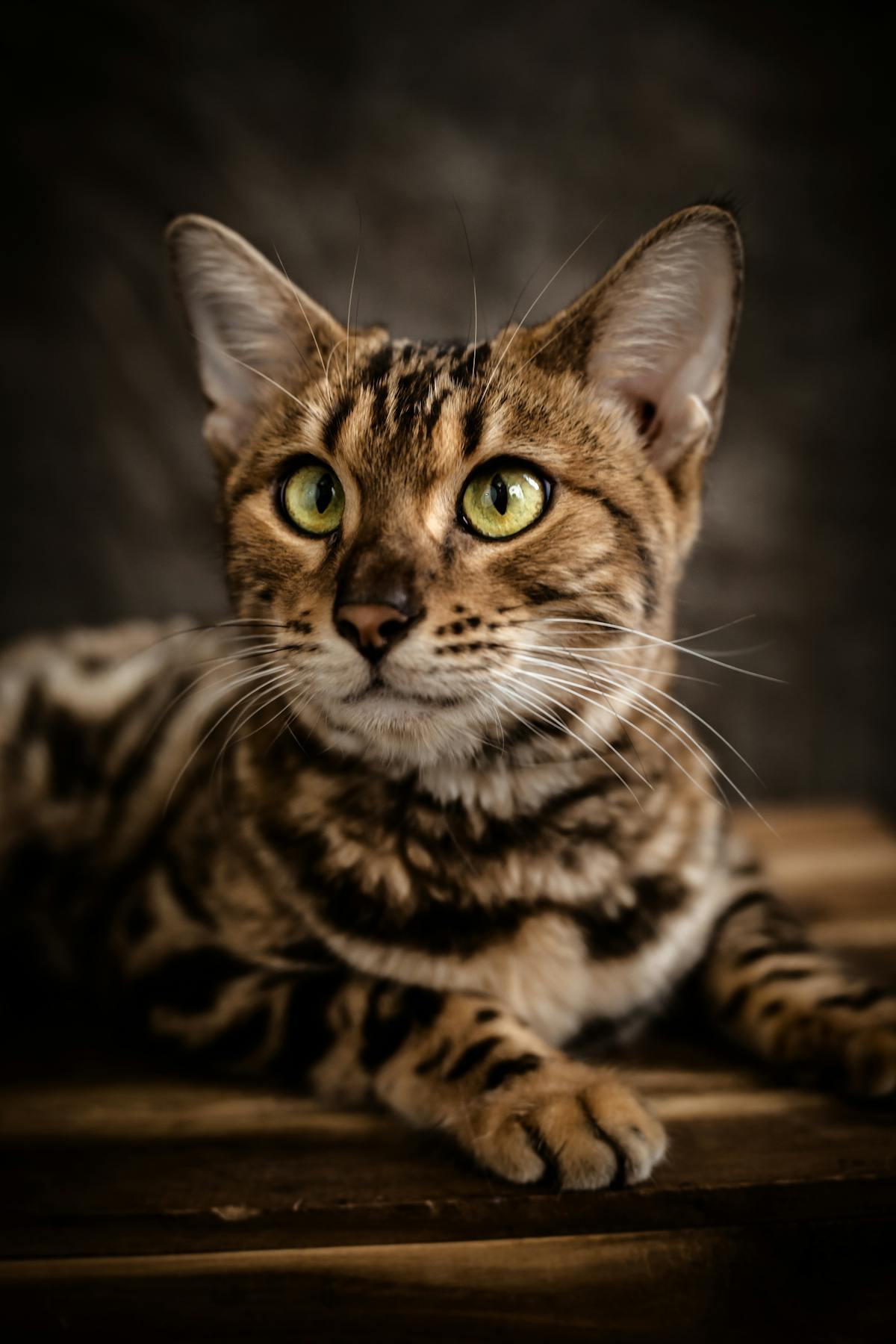
Celebrate Your Wild-Looking Companion
These first 30 days are intense—but you've welcomed one of the most stunning, intelligent, and engaging cat breeds into your life. Your Bengal will challenge you, entertain you, and form a bond that's unlike anything you've experienced with other cats.
Many Bengal owners find this early period especially meaningful to capture. The spotted kitten coat, those alert eyes, the first time they figured out the puzzle feeder—these moments pass quickly as your kitten transforms into a sleek adult. A custom portrait preserves this special time forever.
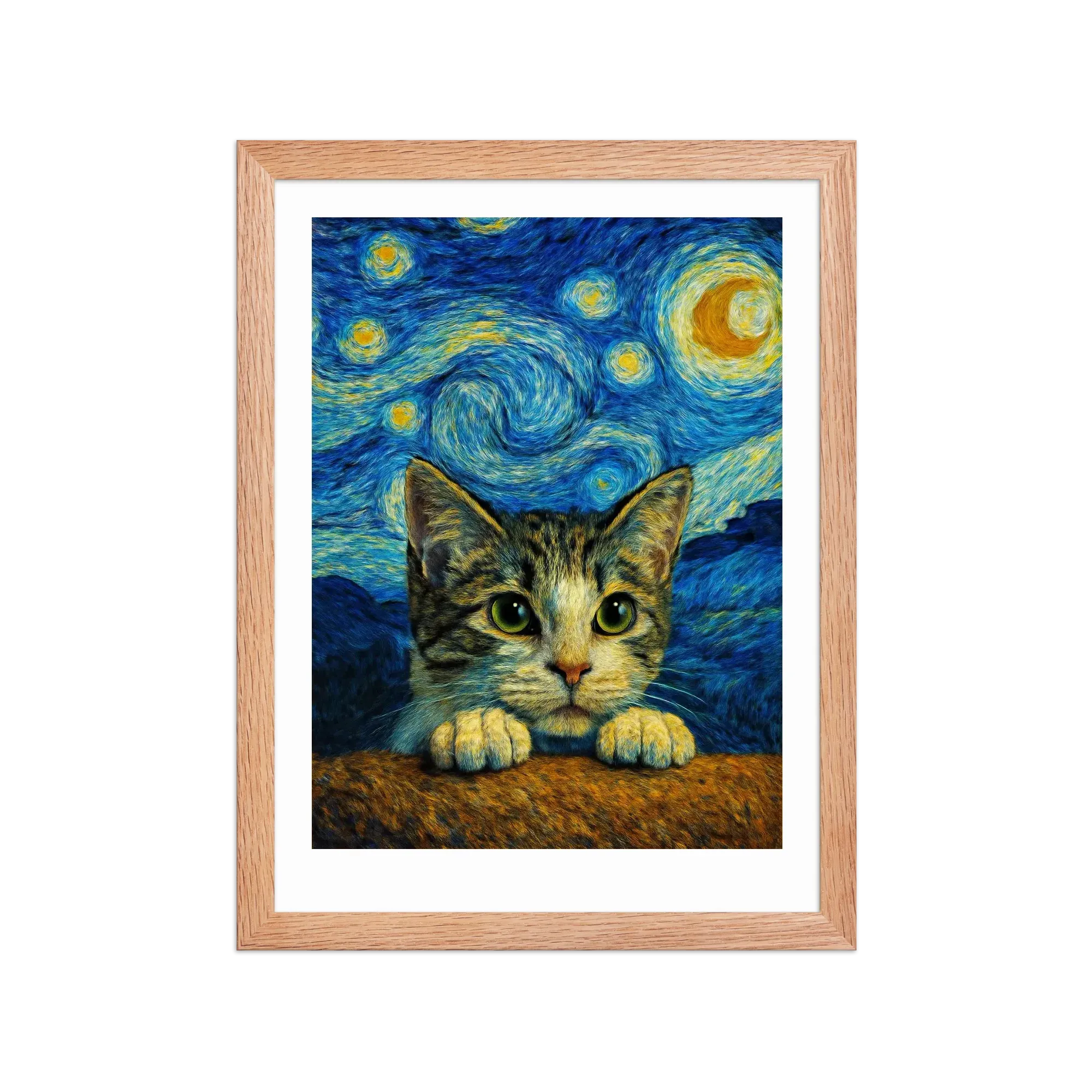
Ready to immortalize your Bengal's wild beauty? Create a custom pet portrait in minutes—from jungle royalty to modern art prints. Or browse our Bengal portrait gallery for inspiration. Because a cat this magnificent deserves to be celebrated as the living masterpiece they are.