Beagle First 30 Days: Complete New Owner Guide (2026)
Bringing home a Beagle puppy? This comprehensive guide covers everything from Day 1 preparation to Week 4 milestones, with breed-specific tips for their incredible nose and pack-loving personality.

There's a reason Beagles have been beloved for centuries: those soulful eyes, floppy ears, and wagging tail create one of the most endearing faces in dogdom. They're the Snoopy dogs, the airport security experts, and for millions of families, the perfect companion.
But here's what many new owners discover too late: Beagles are nose-powered animals. That incredible sense of smell—300 million scent receptors compared to your 5 million—drives nearly everything they do. They'll follow a scent trail through an open gate. They'll find food you hid three weeks ago. They'll ignore your calls completely when their nose locks onto something interesting.
This guide covers everything you need for your Beagle's first 30 days—from scent management to that distinctive howl, from their legendary appetite to training strategies that work with (not against) their nature.
Celebrating your new family member? Many Beagle owners capture those irresistible puppy eyes with a custom pet portrait. Browse our Beagle portrait collection for inspiration.

Before Day 1: The Beagle Preparation Checklist
Beagle puppies typically come home at 8-10 weeks. They're compact (20-30 lbs as adults), sturdy, and absolutely adorable—which is good, because you'll need that cuteness to offset some challenging behaviors.
Essential Supplies for Your Beagle Puppy
Secure crate (30-36" length): Beagles are den dogs who generally accept crate training well. Choose a sturdy crate—determined Beagles have been known to escape flimsy ones.
High-quality puppy food: According to the AKC, Beagles are extremely food-motivated and prone to obesity. Choose a quality formula and prepare to measure every portion carefully.
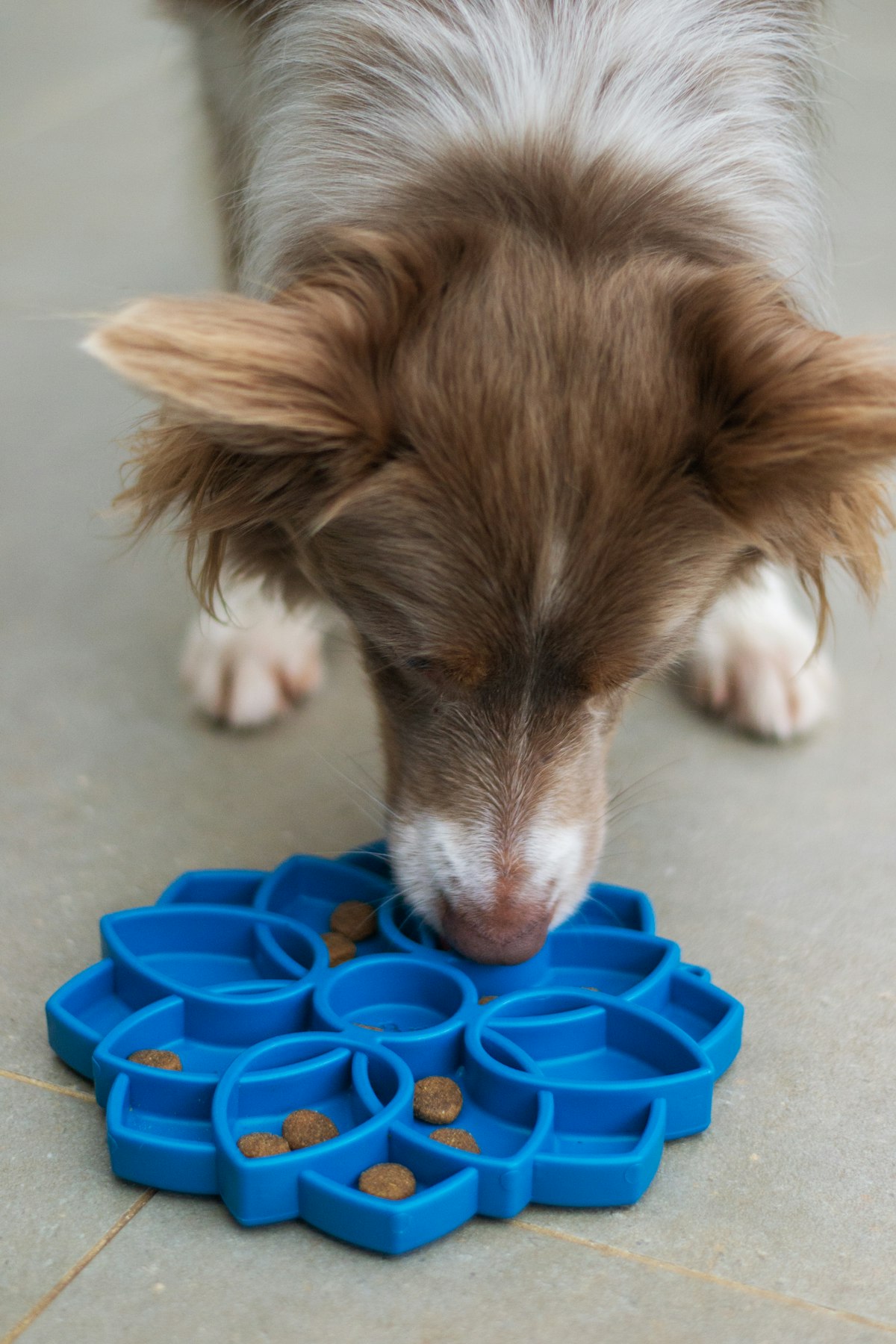
Slow-feeder bowl: Beagles inhale food. A slow-feeder prevents choking and extends meals, helping them feel satisfied longer.
Secure collar with ID + microchip: Critical for Beagles. Their nose can lead them far from home quickly. Double up with collar ID and microchip registration.
Long training lead (15-30 feet): Beagles should not be off-leash in unfenced areas—they'll follow a scent and not look back. A long lead gives them exploration room safely.
Food puzzles and snuffle mats: Channel that nose into appropriate activities. Make them work for meals and treats.
Enzymatic cleaner: House training Beagles takes patience. Be prepared for accidents.
Securing Your Property
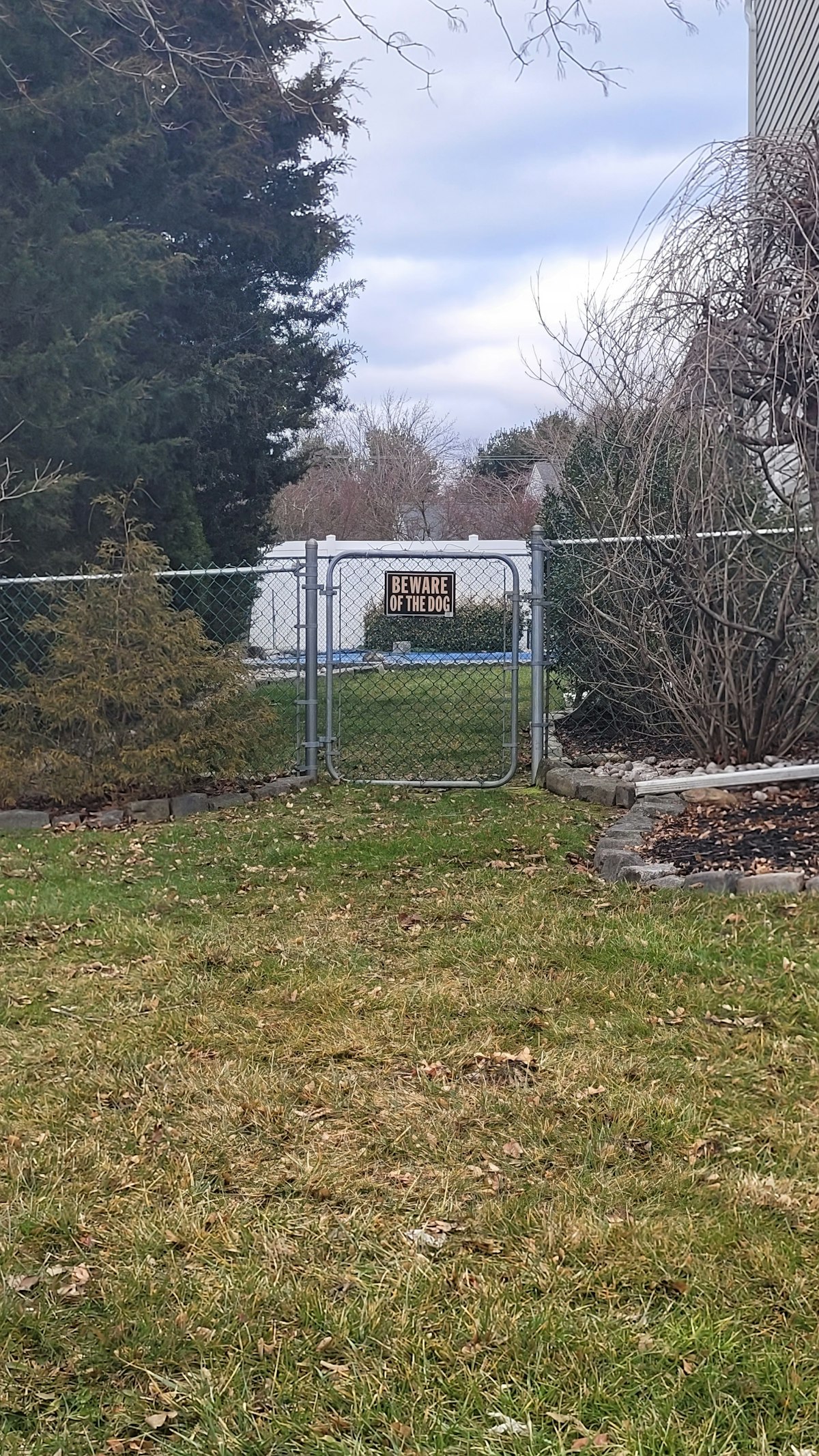
Beagles are escape artists driven by scent. Before bringing your puppy home:
- Walk your entire fence line checking for gaps
- Check under fences—Beagles dig
- Ensure gates latch securely
- Consider adding fence height (they can jump)
- Never leave a Beagle in an unfenced area unsupervised
Day 1: Bringing Your Beagle Puppy Home
Beagles are pack animals bred to live and work in groups. Your puppy is leaving their first pack (mother and littermates) and joining your pack. The transition is significant—but Beagles are resilient and adaptable.
The Car Ride Home
Bring a secure carrier or crate. Have someone sit with the puppy if possible. Beagles are generally good travelers, but expect some whining—they're vocal from the start. Bring paper towels and water.
First Hours at Home
- Potty break first: Carry the puppy to your designated spot. Wait for elimination, then praise enthusiastically.
- Supervised exploration: Let them sniff around one room. Beagles learn their environment through their nose—give them time.
- Introduce the crate: Toss treats inside. Let them explore voluntarily. Don't force entry.
- Meet family members calmly: One at a time, quiet voices. Beagles are social but can be overwhelmed.
- Small meal after settling: Wait 1-2 hours. Serve in a slow-feeder to start good habits immediately.
The First Night
Expect noise. Beagles are among the most vocal dog breeds. They may bark, whine, bay, or howl. This is normal pack behavior—they're calling for their family.
Some trainers recommend keeping the crate in your bedroom so the puppy knows they're not alone. Gradually move the crate if desired. Take potty breaks every 3-4 hours—Beagle puppies have small bladders.
Don't release them from the crate in response to howling—you'll teach them that noise gets results.
Week 1: Foundation and Food Management (Days 1-7)
Week 1 is about establishing routine and beginning to manage two defining Beagle traits: the nose and the appetite.
House Training
Beagles can be slower to house train than some breeds—not because they're less intelligent, but because they're easily distracted by scents. Be patient and consistent:
- Outside immediately after waking, eating, and playing
- At least every 1-2 hours otherwise
- To the same spot every time (scent helps them remember the purpose)
- Wait quietly for elimination, then big praise
When accidents happen: Clean thoroughly with enzymatic cleaner. Beagles' powerful noses can detect residue you can't smell, attracting repeat visits.
Managing Food Obsession
According to VCA Hospitals, Beagles are prone to obesity. Their food drive is legendary—and problematic if not managed:
- Measure every meal: Use a measuring cup or scale. No eyeballing.
- Use slow-feeders: Extends meal time, increases satisfaction
- Track all treats: Count them toward daily calorie allowance
- Secure all food: Beagles will find food you've hidden. Seriously.
- Never free-feed: Beagles will eat until ill if allowed
- Start weighing regularly: Track growth, catch weight gain early
Feeding Schedule
At 8-12 weeks, feed three times daily:
- 7:00 AM — Breakfast (slow-feeder)
- 12:00 PM — Lunch
- 5:00 PM — Dinner
- Remove any uneaten food after 15 minutes (rare with Beagles)
Week 2: Training and the Beagle Brain (Days 8-14)
Beagles are intelligent, but they're not eager-to-please dogs in the way Golden Retrievers are. They're independent thinkers bred to follow a scent for hours without human direction. Training requires understanding their motivation: food and scent.
Training Philosophy for Beagles
- High-value treats are essential: Kibble won't cut it. Use real meat, cheese, or commercial training treats.
- Short sessions: 5 minutes maximum. Beagles lose focus quickly, especially if they smell something interesting.
- Positive reinforcement only: Harsh corrections don't work—Beagles become stubborn or fearful.
- Low distraction environments: Start training indoors where scent distractions are minimal.
- Expect stubbornness: They understand. Sometimes they just don't want to comply. Stay patient and keep rewards high-value.
Week 2 Commands
Name recognition: Say name, treat when they look at you. Repeat constantly. Beagles learn this—but may choose not to respond when distracted.
Sit: Lure with treat over head. Most Beagles learn quickly when food is involved.
Come (recall): This is critical and challenging. Beagles are notorious for poor recall when their nose is engaged. Start in tiny spaces, use extremely high-value treats, and practice obsessively. Never call them for something unpleasant.
Leave it: Essential for food-obsessed Beagles. Practice with increasingly tempting items. This can prevent them from eating dangerous things.
Understanding the Bay
Beagles have three vocalizations: barking, howling, and baying (that distinctive Beagle sound—"arooo!"). Baying is hardwired; you won't eliminate it. But you can manage it:
- Don't reward baying with attention (positive or negative)
- Teach "quiet" by waiting for silence, then treating
- Address underlying triggers (boredom, excitement, loneliness)
- Provide adequate exercise and mental stimulation
- Warn your neighbors
Week 3: Socialization and Scent Work (Days 15-21)
Week 3 falls within the critical socialization window. Beagles are naturally sociable dogs, but proper exposure ensures confident adulthood.
Socialization Checklist
People: All ages, appearances, uniforms. Let people offer treats to create positive associations.
Sounds: Household appliances, traffic, thunder recordings. Beagles are generally not sound-sensitive, but early exposure helps.
Other animals: Dogs (controlled introductions), cats (supervised—Beagles have prey drive), other animals from a distance.
Environments: Pet-friendly stores, outdoor areas, different floor surfaces, car rides.
Introduction to Scent Work
Here's a secret that makes Beagle ownership much easier: give that nose a job. Scent work provides mental exhaustion that physical exercise alone can't match.
Week 3 scent activities:
- Snuffle mats: Hide kibble in fabric folds for them to "hunt"
- Find the treat: Hide treats around a room while puppy watches, then release to search
- Scent trails: Drag a treat along the ground, leaving it at the end. Let puppy follow.
- Muffin tin game: Treats under tennis balls in a muffin tin. Puppy must remove balls to find treats.
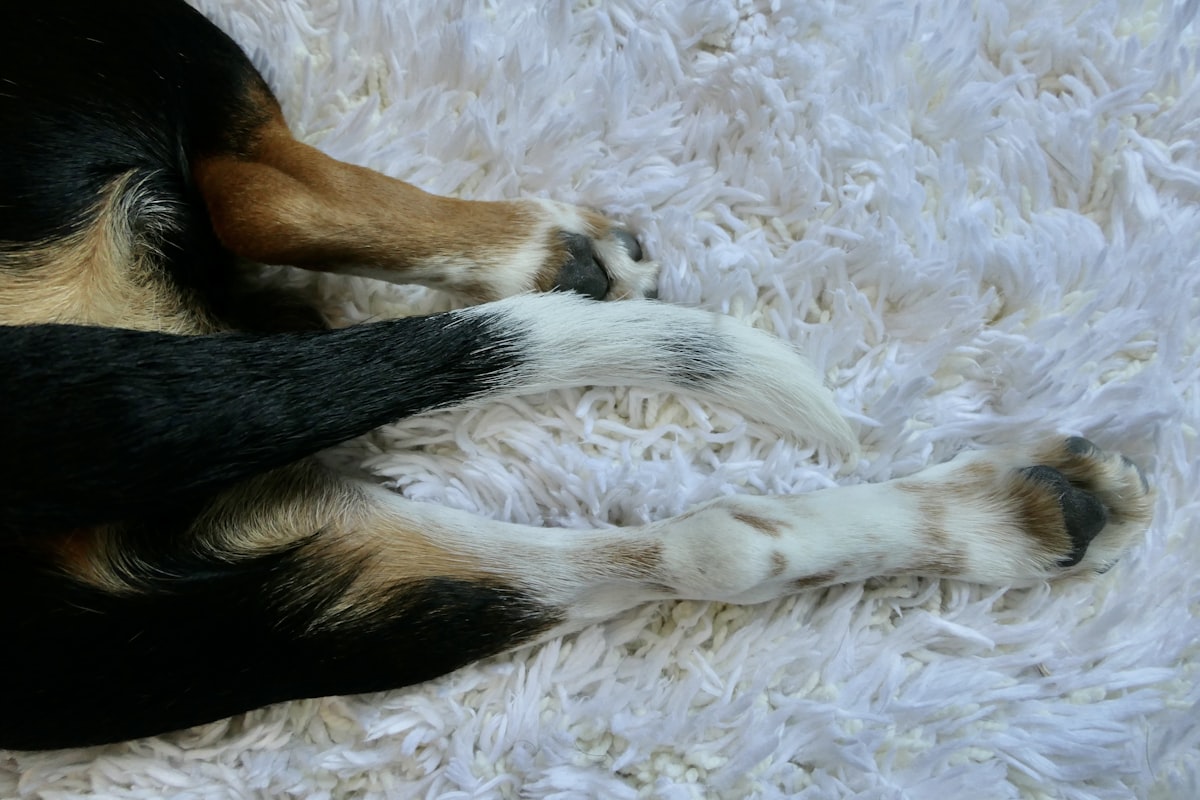
These activities don't require training—Beagles instinctively know what to do. And a Beagle who's done scent work is a tired, satisfied Beagle.
Week 4: Building Lifelong Habits (Days 22-30)
By Week 4, you know your Beagle's personality. Now focus on building habits that prevent common Beagle problems: obesity, escape, excessive howling, and that selective deafness when they're on a scent.
Exercise Programming
Use the 5-minutes-per-month-of-age rule for structured walks. At 12 weeks: 15 minutes, twice daily. But add:
- Sniffing time: Let them sniff on walks. Don't rush. Sniffing is mental exercise.
- Scent games daily: 10-15 minutes of scent work
- Play sessions: Fetch, tug, backyard play
- Training sessions: Mental work tires them
An exercised Beagle (mentally and physically) is a better-behaved Beagle.
Recall Intensive
Continue obsessive recall practice. In Week 4:
- Practice in more distracting environments (still fenced/leashed)
- Use a long line (15-30 feet) in open areas
- Reward coming to you with the best treats available
- Never, ever let them off-leash in unfenced areas
Reality check: Most Beagles never achieve reliable off-leash recall. Their nose overrides their training. Plan for a life of leashes and fenced areas.
Weight Monitoring
Start weighing your puppy weekly. You should be able to:
- Feel ribs easily (but not see them prominently)
- See a waist when viewed from above
- See an abdominal tuck from the side
Adjust food portions based on growth rate and body condition, not appetite (Beagles always act hungry).
Your 30-Day Beagle Milestone Timeline
| Day | Milestone | Notes |
|---|---|---|
| 1 | Bring puppy home | Secure environment, crate positive |
| 2-3 | Routines established | Feeding in slow-feeder, potty schedule |
| 4-7 | Food management started | All portions measured |
| 7 | First vet visit | Weight baseline, vaccines |
| 8-10 | Name and sit learned | High-value treats essential |
| 11-14 | Leave it training | Critical for food-obsessed breed |
| 15-18 | Scent work introduced | Snuffle mats, find the treat |
| 19-21 | Socialization intensive | New people, places, dogs |
| 22-25 | Recall practice increases | Long line work |
| 26-28 | Weekly weigh-ins started | Track body condition |
| 29-30 | 30-day assessment | Evaluate progress, set goals |
Frequently Asked Questions
Why is my Beagle so food obsessed?
It's genetic. Beagles were bred to hunt for hours—that requires drive and opportunistic eating. Their brains may also process fullness signals differently. You cannot train this out; you can only manage it with strict portion control, slow-feeders, and never leaving food accessible.
Will my Beagle ever be reliable off-leash?
Probably not. Most Beagle experts recommend always keeping them on-leash or in fenced areas. Their scent drive can override even excellent training. When a Beagle's nose locks onto a trail, they become essentially deaf to commands. It's not stubbornness—it's genetics.
How do I stop my Beagle from howling?
You won't eliminate howling—it's hardwired. But you can reduce it by: providing adequate exercise and mental stimulation, not rewarding howling with attention, teaching "quiet" for treats, and addressing underlying causes (boredom, loneliness, excitement). Beagles are pack animals; leaving them alone for long periods increases howling.
Are Beagles good with children?
Generally, yes. Beagles are sturdy, tolerant, and playful—a good match for active families. Supervise all dog-child interactions, teach children proper handling, and ensure your Beagle has quiet retreat spaces. The biggest concern is usually Beagles stealing kids' snacks.
How much exercise does a Beagle need?
Adults need 1-2 hours of activity daily, including walks, play, and mental stimulation. Puppies need less (5 minutes per month of age for structured walks) but still need play and enrichment. An under-exercised Beagle is a destructive, howling Beagle.
Celebrate Your Merry Hound
These first 30 days are the beginning of a wonderful journey. Beagles have been beloved companions for centuries because they're joyful, resilient, and endlessly loving. Yes, they'll follow their noses into trouble. Yes, they'll steal food if you give them the chance. Yes, they'll serenade the neighborhood with their distinctive bay.
But they'll also greet you with unbridled enthusiasm every time you come home. They'll curl up next to you with their soft ears and contented sighs. They'll make you laugh with their goofy antics and melt your heart with those soulful eyes.
Those floppy ears, tricolor coat, and expressive eyes—your Beagle puppy is already a masterpiece worth commemorating.
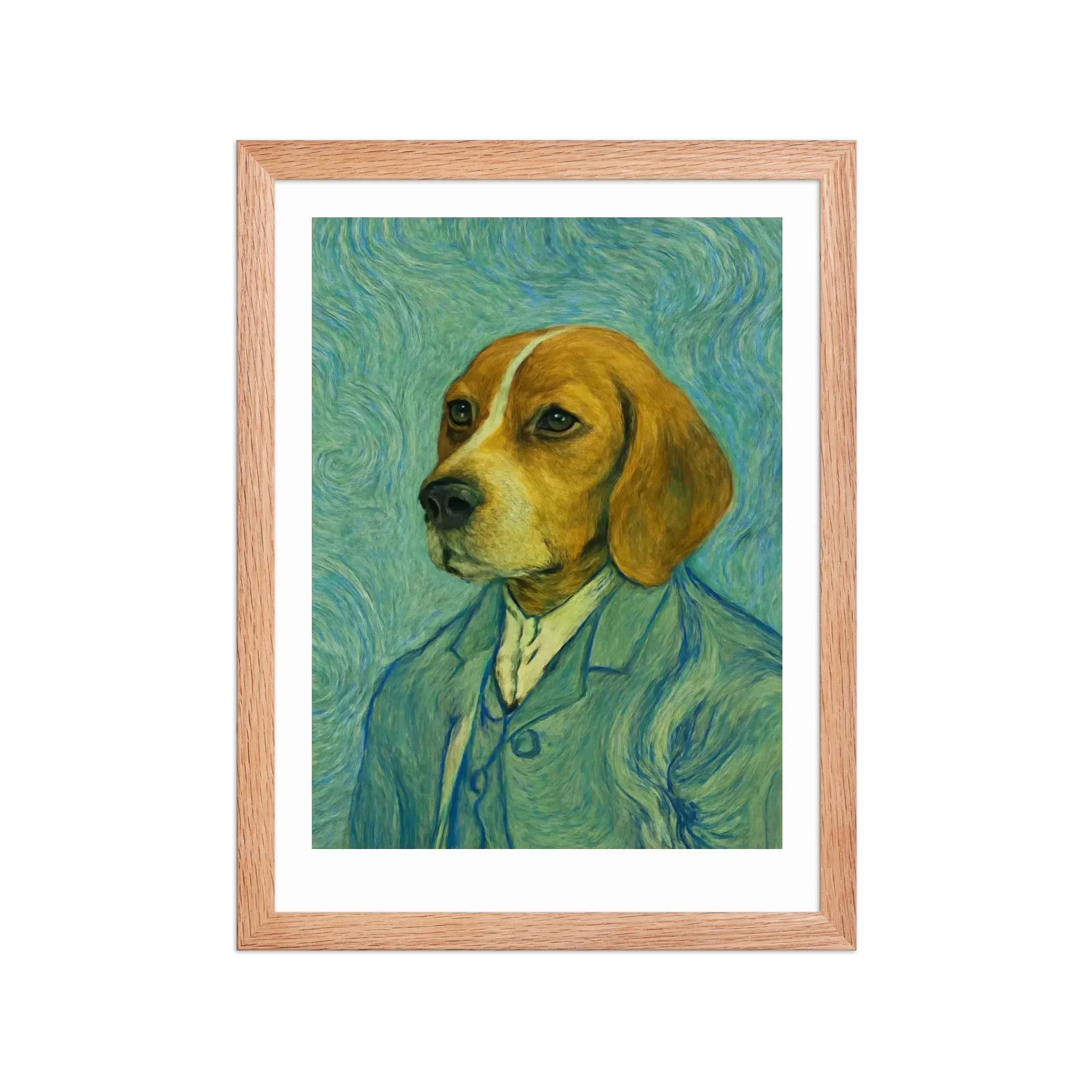
Ready to immortalize your Beagle's charm? Create a custom pet portrait in minutes—from hunting companion to pop art star. Or browse our Beagle portrait gallery for inspiration. Because your merry hound deserves to be celebrated.