American Shorthair Kitten First 30 Days: Complete New Owner Guide (2026)
Bringing home an American Shorthair kitten? This comprehensive guide covers everything from Day 1 preparation to Week 4 milestones, with breed-specific tips for health, socialization, and building a lifelong bond with your easygoing feline friend.
In 1620, the Mayflower carried 102 passengers and an unknown number of cats across the Atlantic. These working felines had a crucial job: protecting the ship's food stores from rats and mice. When those pilgrims stepped onto Plymouth Rock, their cats stepped off too—and became the founding ancestors of what we now call the American Shorthair.
Four centuries later, their descendants are one of America's most beloved cat breeds. The American Shorthair isn't just any domestic cat. According to the Cat Fanciers' Association, this pedigreed breed was among the first five breeds registered when the CFA was founded in 1906—originally called the "Domestic Shorthair" before being renamed in 1966 to distinguish it from random-bred cats and celebrate its "all-American" heritage.
Why does history matter? Because it explains everything about this breed's temperament. American Shorthairs are survivors, problem-solvers, and adaptable companions who thrived in every American environment from colonial farms to modern apartments. They're easygoing enough to handle children, independent enough for working owners, and healthy enough to live 15-20 years. But they also have breed-specific needs—especially when it comes to their notorious love of food.
This guide covers everything you need to know for the first 30 days: from kitten-proofing your home to preventing the obesity that plagues this food-motivated breed, establishing good habits, and helping your new kitten settle into a life that could span two decades.
Welcoming a new feline family member? Many owners celebrate this milestone with a custom cat portrait—a beautiful way to capture your kitten's first weeks. Or explore our American Shorthair portrait collection for artistic inspiration.
Before Day 1: The American Shorthair Preparation Checklist
American Shorthair kittens are typically ready to come home at 12 weeks of age—later than some breeds, as responsible breeders keep them with their mothers and littermates longer for optimal socialization. By this age, they've learned crucial cat behaviors: bite inhibition, litter box habits, and social skills they'll carry for life.
Essential Supplies for Your American Shorthair Kitten
Litter box (low sides for kittens): According to PetMD, kittens need an open-top, shallow litter box that's easy to access. The Cornell University College of Veterinary Medicine recommends boxes about 1.5 times your cat's length. Start small and size up as your kitten grows. Plan for at least two boxes—one per floor of your home.
Kitten-appropriate litter: Avoid clumping litter for kittens under 2-3 months—they may ingest it while grooming. Non-clumping, unscented litter is safest initially. Use 1-1.5 inches of litter depth so kittens can dig without struggling.
High-quality kitten food: This is crucial for American Shorthairs. According to BetterPet, this breed requires careful attention to diet because they're prone to obesity. Choose an AAFCO-certified kitten food with at least 30% animal-based protein and 9% fat. Feed measured portions—never free-feed an American Shorthair.
Food and water bowls: Stainless steel or ceramic are best—plastic can harbor bacteria and cause chin acne in cats. Consider a water fountain; many cats prefer running water, and increased hydration supports kidney health.
Scratching posts: Get at least two: one vertical (tall enough for adult stretching) and one horizontal. American Shorthairs are natural scratchers—providing outlets saves your furniture. Sisal rope and cardboard are cat favorites.
Cat tree or perches: American Shorthairs love to observe from high places. A sturdy cat tree gives them a "safe zone" and exercise opportunity. Place it near a window for maximum entertainment value.
Carrier: Get a hard-sided carrier large enough for an adult cat (you'll need it for vet visits for years). Leave it out as a "cat cave" so it becomes a familiar, non-scary object.
Toys, toys, toys: Wand toys, jingle balls, felt mice, puzzle feeders. American Shorthairs retain their ancestors' hunting instincts and love interactive play. According to certified cat behavior consultant Joey Lusvardi quoted in PetMD, "Food puzzles are great for cat enrichment" and provide mental stimulation during mealtime.
Grooming supplies: A wire-toothed slicker brush or grooming mitt works well for an American Shorthair's short, dense coat. Weekly brushing is sufficient—one of this breed's low-maintenance perks.
Enzymatic cleaner: For any accidents. Nature's Miracle or Rocco & Roxie neutralize odors that might attract repeat marking.
Kitten-Proofing Your Home
American Shorthairs are curious but sensible—less likely to climb curtains than some breeds. Still, kitten-proofing is essential:
- Remove toxic plants (lilies, philodendrons, pothos are common dangers)
- Secure blind cords and electrical cables (strangulation and electrocution hazards)
- Check for small objects kittens might swallow (hair ties, rubber bands, small toys)
- Lock away cleaning supplies and medications
- Secure screens on open windows (cats can push through)
- Check appliances before use—kittens hide in dryers, dishwashers, and washing machines
- Block small spaces under appliances and furniture where a kitten might get stuck
Day 1: Bringing Your American Shorthair Kitten Home
The first day establishes patterns your kitten will follow for years. Your new arrival just left their mother, siblings, and everything familiar. Even easygoing American Shorthairs need time to decompress.
The Car Ride Home
Keep the kitten in their carrier—never loose in the car. Place the carrier on a flat surface (ideally the back seat, secured with a seatbelt). Cover the carrier with a light blanket to reduce visual stimulation. Talk softly to provide reassuring presence without overstimulating.
The First Few Hours
Start small. Confine your kitten to one room initially—this prevents overwhelm and makes litter box training easier. The "safe room" should contain:
- Litter box (away from food)
- Food and water bowls
- A cozy hiding spot (carrier with door open, cardboard box, or covered bed)
- Scratching surface
- Toys
- Place kitten in the litter box first: Gently place them in the box so they know where it is. Most cats instinctively understand its purpose.
- Offer water, then food: After 30 minutes of settling, offer water. Wait another hour before a small meal—stress can cause digestive upset.
- Let them explore at their own pace: Resist hovering. Sit quietly and let the kitten come to you when ready. American Shorthairs are naturally confident, but every cat needs adjustment time.
- Minimize visitors: Day 1 isn't "meet the new kitten" day. Keep things quiet. There will be plenty of time for introductions once your kitten is settled.
The First Night
Keep the kitten in their safe room with the door closed. If they cry, it's normal—they miss their littermates. A ticking clock wrapped in a towel mimics a heartbeat. A warm (not hot) water bottle provides comfort. Some owners play soft classical music.
Expect some adjustment crying for 2-3 nights. American Shorthairs typically settle faster than high-strung breeds, but patience is key.
Week 1: The Adjustment Period (Days 1-7)
Week 1 is about establishing routine and building trust. American Shorthairs are naturally adaptable—one of their defining traits—but consistency helps any kitten feel secure.
Litter Box Training
Here's excellent news: cats are born knowing how to use litter boxes. Their instinct to bury waste is genetic. According to Kitten Lady, kittens can begin litter training as early as 3-4 weeks, so your 12-week-old kitten likely already knows the basics.
Your Week 1 litter box protocol:
- Place the kitten in the litter box after meals, naps, and play sessions
- Keep the box in a quiet, accessible location—never near food or in high-traffic areas
- Scoop at least once daily (cats avoid dirty boxes)
- Don't relocate the box once the kitten knows where it is
- If accidents happen, clean with enzymatic cleaner—never punish the kitten
According to the Hill's Pet guide, most kittens learn basic litter box habits within a few days to two weeks. American Shorthairs, being intelligent and naturally clean, typically catch on quickly.
Feeding Schedule and Portions
At 12 weeks, feed three measured meals daily. By 6 months, transition to two meals. Never free-feed an American Shorthair. This breed loves food and will overeat if given the chance.
A typical Week 1 schedule:
- 7:00 AM — Breakfast (measured portion per food guidelines)
- 12:00 PM — Lunch
- 6:00 PM — Dinner
- Fresh water available 24/7
According to PetMD, "Since American Shorthairs are prone to obesity, owners should consult their vet when calculating how many calories and servings per day their cat should get relative to their size, life stage, and activity level."
Gradual Room Expansion
After 2-3 days in the safe room, if your kitten is using the litter box consistently and seems confident:
- Open the door and let them explore at their own pace
- Add a second litter box in the new area
- Supervise exploration—block access to problem areas
- Keep the safe room available as their "home base"
For multi-story homes, confine kittens to one floor initially. Add floor access gradually over weeks, with litter boxes on each level.
Week 2: Handling, Routine, and Play (Days 8-14)
By Week 2, your kitten has decompressed. Their true personality emerges—and with American Shorthairs, that means a relaxed, friendly cat who gets along with everyone. Now's the time to establish handling routines and play schedules.
The Easygoing American Shorthair Temperament
According to the Drake Center, "American Shorthairs are so even-tempered that they adapt effortlessly to various environments, making them the perfect family pet. Whether you live in a city apartment or sprawling country house, your American Shorthair will feel right at home."
This adaptability is your greatest asset during kitten-raising. American Shorthairs typically:
- Tolerate handling well (great for grooming and vet visits)
- Accept changes in routine without major stress
- Get along with other pets when properly introduced
- Enjoy children who handle them respectfully
- Balance independence with affection—happy alone during work hours but social when you're home
Handling Exercises
Start conditioning your kitten to accept handling they'll need throughout life. Do these exercises daily for 1-2 minutes each, paired with treats:
- Paw handling: Gently hold each paw, extend toes, touch paw pads. This makes future nail trims easier.
- Ear checks: Look inside ears gently, touch the outer ear flap.
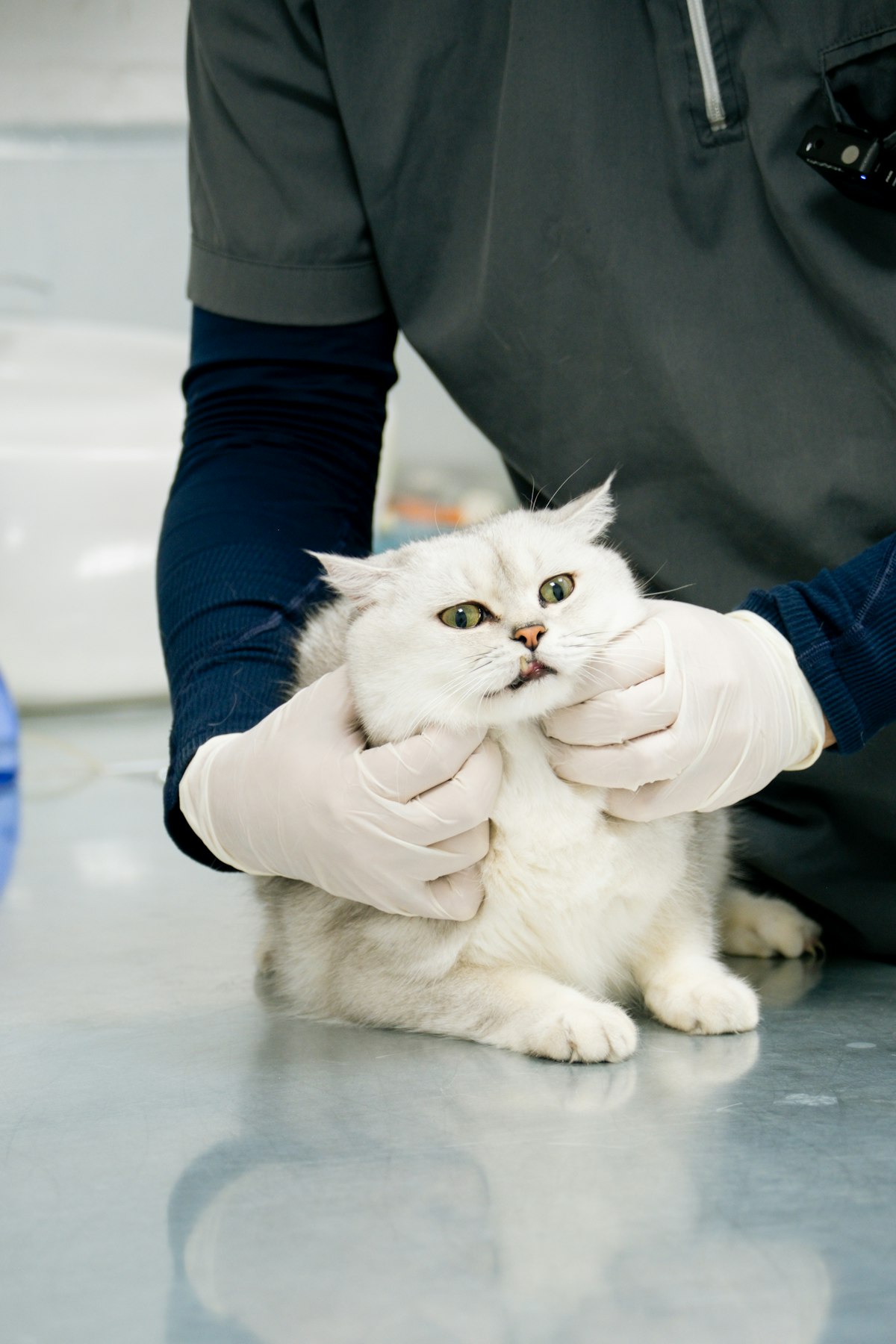
- Mouth handling: Lift lips, touch gums briefly. Future dental care will be much easier.
- Belly touches: Gently stroke the belly while kitten is relaxed. (Not all cats enjoy this, but positive early exposure helps.)
- Gentle restraint: Hold kitten gently but firmly for 5-10 seconds, then release. Gradually increase duration.
American Shorthairs generally tolerate handling well, but early positive conditioning ensures stress-free vet visits and grooming sessions for their 15-20 year lifespan.
Play: Exercise and Hunting Instincts
Those Mayflower cats earned their passage by hunting. Your American Shorthair retains those instincts. According to BetterPet, "Provide a ton of toys for your American Shorthair. This will allow them to still enjoy a good hunt."
Daily play schedule (minimum):
- Two 15-minute interactive play sessions (wand toys, laser pointers followed by a physical toy to "catch")
- Puzzle feeders at mealtime
- Self-play toys available (balls, crinkle toys)
Best toys for American Shorthairs:
- Wand toys with feathers (mimics birds)
- Small felt mice (practice hunting)
- Jingle balls (audio feedback)
- Puzzle feeders (mental stimulation + obesity prevention)
- Cat trees and perches (climbing exercise)
Play isn't just fun—it's essential for weight management. American Shorthairs that don't get enough exercise become overweight, leading to serious health problems we'll discuss in Week 4.
Grooming Introduction
American Shorthairs have a dense, plush coat that requires minimal grooming compared to long-haired breeds. According to BetterPet, "It is best to give them a weekly brush to prevent their fur from matting and to collect all the loose hairs."
Week 2 grooming goals:
- Daily short brushing sessions (30-60 seconds) to normalize the routine
- Use a wire-toothed slicker brush or grooming mitt
- Pair brushing with treats and praise
- Check inside ears for debris
- Begin touching paws in preparation for future nail trims
Week 3: Socialization Excellence (Days 15-21)
Here's something wonderful about American Shorthairs: they're naturally good with almost everyone. But even friendly breeds benefit from deliberate socialization during the critical kitten window (typically 3-9 weeks, extending through 16 weeks).
Why American Shorthairs Excel at Socialization
According to The Drake Center, "Well-socialized American Shorthairs will be more likely to enjoy being around people and other pets. They'll also be more adaptable to new situations and environments, including visiting their vet for routine wellness exams."
American Shorthairs are already predisposed toward friendliness. Your socialization goal isn't to "fix" shyness—it's to maximize their natural confidence and ensure positive associations with life experiences.
The Week 3 Socialization Checklist
People exposure (aim for variety):
- People of different ages (especially children if you have or plan to have them)
- People wearing hats, glasses, different clothing styles
- Visitors who move differently (children, elderly, people with mobility aids)
- Gentle, supervised handling by multiple family members
Sound desensitization:
- Vacuum cleaner (start at low volume, increase gradually)
- Doorbell and knocking
- Kitchen appliances (blender, mixer)
- Television and music
- Thunder and firework recordings (play quietly during treat time)
Environment exposure:
- All rooms of your home (including the bathroom—they'll find it eventually)
- Carrier rides around the house (positive association for travel)
- Different surfaces (tile, carpet, hardwood, blankets)
- Gentle car rides (even short ones to nowhere)
Other animal introductions (if applicable):
- For existing cats: gradual scent exchange, visual introduction through a barrier, supervised meetings
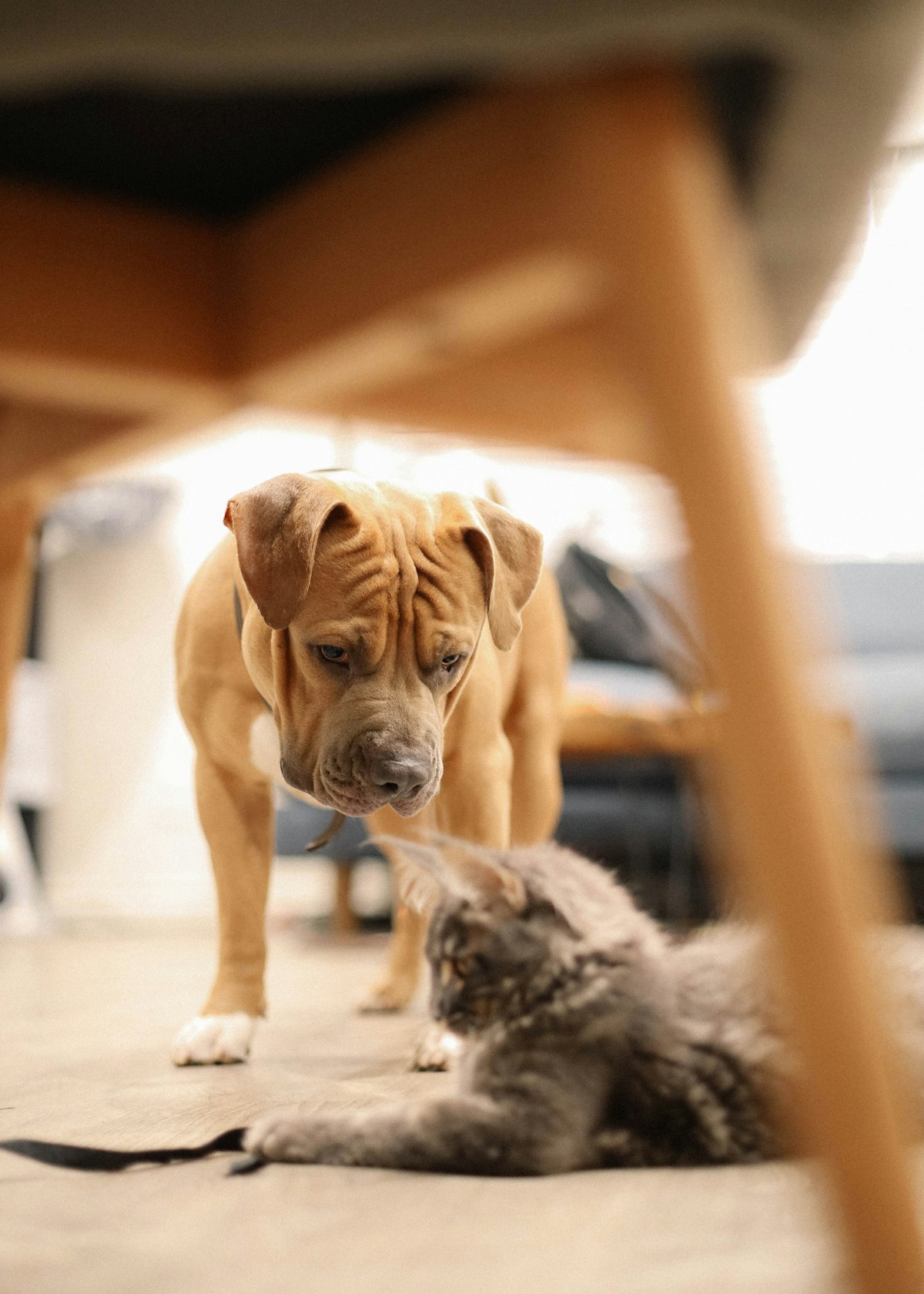
- For dogs: always supervised, dog on leash, kitten has escape routes
- Never force interactions—let the kitten set the pace
Signs of Positive vs. Negative Experiences
Positive signs:
- Relaxed body, normal breathing
- Willingness to take treats
- Curious approach
- Play behavior
- Purring
Stress signs (stop and back off):
- Flattened ears
- Dilated pupils
- Hissing, growling
- Attempting to escape/hide
- Refusing treats
- Puffed fur, arched back
If you see stress signs, remove the trigger and try again later with more distance or lower intensity. Socialization should be positive—forced exposure creates lasting fears.
Week 4: Health Focus—HCM, Obesity Prevention, and Dental Care (Days 22-30)
By Week 4, your kitten is settled, socialized, and showing their true personality. Now it's time to focus on the health considerations that will determine their quality of life for the next 15-20 years.
The First Vet Visit
If you haven't already, schedule a comprehensive vet exam. Bring:
- Any vaccination records from the breeder
- A stool sample (for parasite testing)
- Your list of questions
Discuss:
- Vaccination schedule (FVRCP, rabies, FeLV if applicable)
- Parasite prevention (fleas, ticks, intestinal worms)
- Spay/neuter timing (typically 5-6 months for cats)
- Microchipping
- Blood type testing (more on this below)
American Shorthair-Specific Health Concerns
Hypertrophic Cardiomyopathy (HCM):
According to Catster, "Hypertrophic cardiomyopathy is the most common feline heart disease and is marked by an enlargement of the heart muscle that can lead to potentially lethal blood clots." American Shorthairs are at higher risk than average.
Prevention and management:
- Buy from breeders who screen for HCM (ask for proof)
- Consider at-home DNA testing if adopting a rescue
- Schedule regular cardiac screenings (echocardiograms) as your vet recommends
- Learn signs of heart disease: lethargy, rapid breathing, open-mouth breathing, rear leg weakness
Obesity—The #1 Preventable Health Risk:
According to Catster, "One of the most common health problems in American Shorthair cats is obesity. American Shorthairs are not the most active breed—putting them at a higher risk for obesity." The same source notes that "Overweight adult cats experience almost three times the risk of mortality than lean individuals."
Obesity prevention starts NOW:
- Measure every meal: Use a kitchen scale or measuring cup, not eyeballing
- Limit treats: Treats should be less than 10% of daily calories
- Use puzzle feeders: Slow down eating and provide mental stimulation
- Establish active play routines: Two 15-minute sessions minimum daily
- Track weight: Weekly weigh-ins to catch gains early
- Never free-feed: Scheduled meals only
According to Pumpkin Pet Insurance, "Obesity often leads to other illnesses in American Shorthairs such as diabetes, joint problems or heart disease."
Blood Type Awareness:
Here's a lesser-known fact: according to BetterPet, "Most kitties have type A blood, but American Shorthairs often have type B or, rarely, AB. As a responsible owner, consider having this test done and recorded in your cat's microchip information. It could be a literal lifesaver."
Blood type matters for:
- Emergency transfusions
- Breeding (type B queens bred to type A toms can have neonatal isoerythrolysis)
- Surgical procedures
Dental Care: Start Early
Dental disease affects most cats over age 3. Prevention starts in kittenhood:
- Week 2-4: Touch gums and teeth daily with your finger
- Month 2+: Introduce cat toothpaste (never human toothpaste—toxic to cats)
- Month 3+: Begin gentle brushing with a cat toothbrush or finger brush
- Ongoing: Dental treats and toys that help clean teeth
Cats who tolerate tooth brushing have significantly less dental disease—and dental problems lead to systemic health issues affecting the heart, kidneys, and liver.
30-Day Milestone Table
Track your American Shorthair kitten's progress with these benchmarks:
| Milestone | Target | Notes |
|---|---|---|
| Using litter box consistently | Day 3-5 | Accidents should be rare |
| Eating on schedule | Day 3-7 | Three measured meals daily |
| Comfortable in "safe room" | Day 3-5 | Playing, exploring, relaxed body language |
| Expanded to full home access | Day 7-14 | Supervised, with litter boxes on each floor |
| Responds to name | Day 10-14 | Looks toward you when called |
| Accepts handling (paws, ears, mouth) | Day 14-21 | Tolerates without struggling |
| Comfortable with grooming | Day 14-21 | Allows brushing without stress |
| Met 5+ different people | Day 21 | Positive, treat-paired experiences |
| Exposed to 7+ new sounds/experiences | Day 21 | Vacuum, doorbell, car ride, etc. |
| First vet visit complete | Day 7-14 | Vaccinations started, baseline established |
| Established play routine | Day 30 | Two daily interactive sessions |
| Maintaining healthy weight | Day 30+ | Vet-confirmed appropriate weight for age |
Frequently Asked Questions
How long do American Shorthair cats live?
American Shorthairs are long-lived cats. According to The Vet Desk, "Healthy American Shorthairs with proper care and regular vet visits will often reach 15 to 20 years of age, sometimes older!" Their longevity is partly due to "hybrid vigor"—the genetic strength that comes from their diverse working-cat ancestry. Proper nutrition, weight management, and regular veterinary care maximize those years.
How much exercise does an American Shorthair need?
American Shorthairs are moderate-energy cats—not as hyperactive as Abyssinians, but not as sedentary as Persians. They need at least two 15-minute interactive play sessions daily, plus environmental enrichment (cat trees, scratching posts, puzzle feeders). Without adequate exercise, they'll become overweight. Their hunting ancestry means they enjoy stalk-and-pounce games, so wand toys are ideal.
Can American Shorthairs be left alone during the workday?
Yes—this is one of their strengths. According to PetMD, "American Shorthairs can be left alone for the day when provided with toys and environmental enrichment, such as cat trees and perches." They're independent enough to entertain themselves but social enough to enjoy your company when you're home. Just ensure they have food puzzles, window perches, and safe toys to prevent boredom.
What's the difference between American Shorthair and a regular domestic shorthair?
"Domestic shorthair" describes any mixed-breed short-haired cat—essentially, a cat without a pedigree. "American Shorthair" is a specific breed with documented lineage, consistent physical characteristics, and predictable temperament. American Shorthairs are selectively bred for their classic "working cat" build: muscular, medium-to-large frame, round face, and dense coat. Domestic shorthairs are wonderful cats but vary widely in appearance and temperament.
Are American Shorthairs good with children and other pets?
Exceptionally so. Their even temperament makes them ideal family cats. They tolerate the handling that comes with children (though always teach kids respectful cat interaction). They generally accept other cats and cat-friendly dogs when properly introduced. Their adaptability and patience are why they're often recommended for first-time cat owners and busy families.
Celebrate Your New Family Member
These first 30 days fly by. One day you're worried about litter box training; the next, you have a confident, playful kitten who runs to greet you at the door. American Shorthairs are special cats—descendants of those brave Mayflower mousers who helped build a nation, now bringing their easygoing charm to millions of homes.
Many American Shorthair owners find this a meaningful time to capture: the perfect silver tabby markings, those round copper eyes, that sturdy kitten body that will grow into a handsome adult. A custom portrait freezes this moment forever—something you'll treasure for the 15-20 years you'll share together.

Ready to commemorate your American Shorthair's kitten days? Create a custom cat portrait in minutes—from Renaissance royalty to pop art prints. Or browse our American Shorthair portrait gallery for inspiration. Because America's native cat deserves to be immortalized as the masterpiece they are.