
How Dogs Show Affection: Understanding the Behaviors That Matter
Decode your dog's affectionate signals and capture those moments in photos that preserve personality.

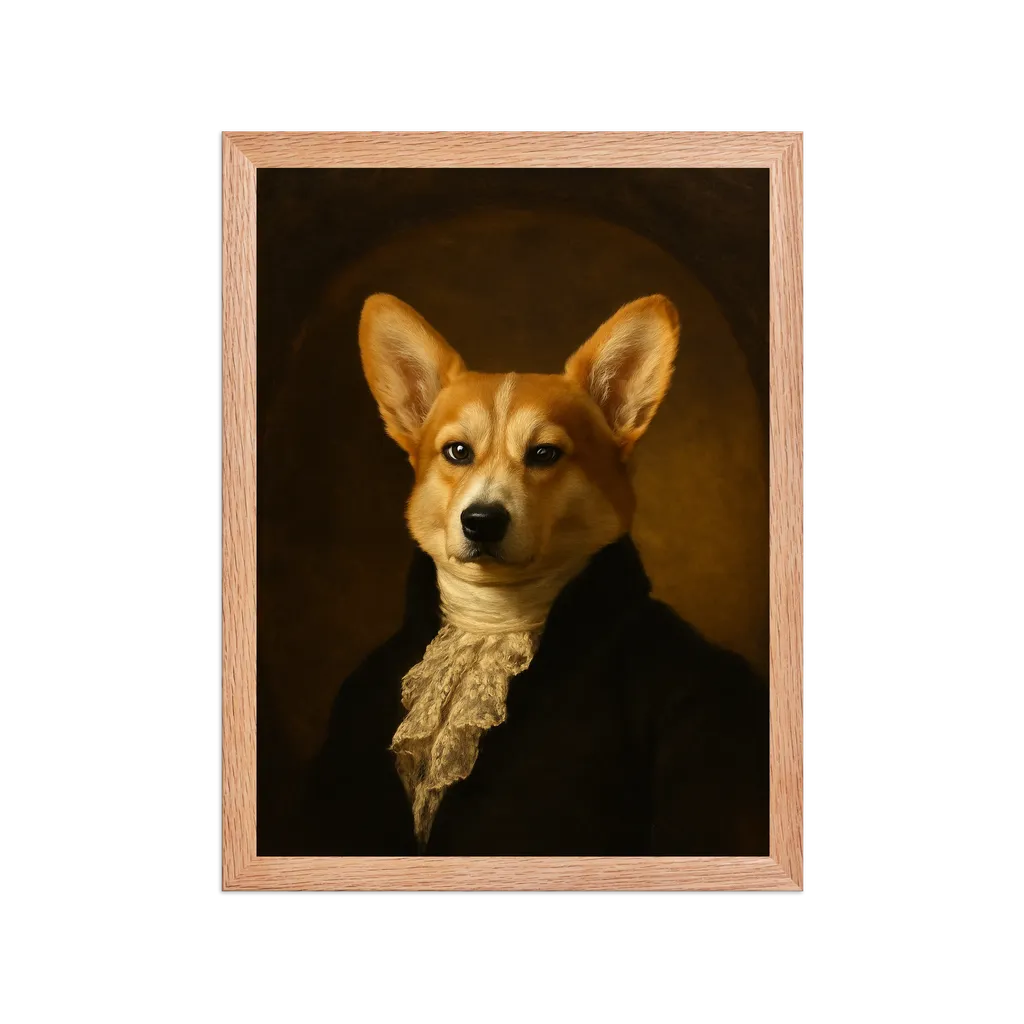
Every dog has their own way of saying "I love you." Some dogs lean their full body weight against your legs. Others bring you their favorite toy—not to play, but to share something precious. Some follow you from room to room, positioning themselves exactly where they can watch you work, eat, or relax.
Understanding these behaviors helps you respond in ways your dog recognizes. It also helps you capture photos that reflect your dog's true personality—the kind of photos that translate into portraits you will want to display for years.
The Science Behind Dog Affection
Dogs evolved alongside humans for at least 15,000 years. During that time, they developed unique abilities to read human emotions, respond to our body language, and form attachment bonds similar to those between human parents and children. When your dog gazes into your eyes, both of you experience a rise in oxytocin—the same hormone released during human parent-child bonding.
This is why dog affection feels so genuine. It is biologically similar to love as humans experience it.
10 Common Ways Dogs Show Affection
| Behavior | What It Means | Best Photo Moment? |
|---|---|---|
| Soft eye contact | Trust, bonding, oxytocin release | Yes—capture the "loving gaze" |
| Leaning against you | Seeking physical comfort and security | From the side—shows relaxed posture |
| Bringing toys | Sharing prized possessions with you | Yes—shows playful personality |
| Following you room to room | Attachment, wanting to be near | Candid shots work well |
| Tail wagging (full body) | Genuine excitement to see you | Motion blur risk—wait for stillness |
| Sleeping near or on you | Ultimate trust and vulnerability | Yes—peaceful expressions |
| Licking your face or hands | Grooming behavior, showing care | Action shot—may not work for portraits |
| Rolling over for belly rubs | Vulnerability, trust, submission | Cute but not portrait-ready |
| Sighing when relaxed | Contentment, feeling safe | Yes—calm, peaceful expression |
| Checking on you periodically | Making sure you are okay | Candid—shows attentive personality |
Reading Your Dog's Body Language
Affection behaviors are clearest when you understand the full picture of dog body language:
Relaxed and Happy (Affectionate State)
- Soft, partially closed eyes
- Ears in neutral position or slightly back
- Loose, wiggly body movements
- Tail at mid-height, wagging in wide sweeps
- Open mouth with relaxed tongue
Alert but Positive
- Ears forward, eyes bright
- Weight slightly forward
- Tail high but not stiff
- This is often your best portrait moment—engaged but not anxious
Stressed or Uncomfortable (Not Affection)
- Whale eye (showing whites of eyes)
- Ears pinned back flat
- Lip licking, yawning when not tired
- Tail tucked or stiff
- Avoid photographing during these moments—the expression does not translate well to portraits
Capturing Affection in Photos
The most meaningful portraits come from photos taken during genuine affection moments. Here is how to recognize and capture them:
Best Times to Photograph Affection
- Post-walk relaxation: After exercise, dogs are calm but content. Eyes soft, body loose.
- Morning greeting: That moment when they first see you after waking up. Pure joy.
- Evening cuddle time: When they settle near you for the night. Peaceful and trusting.
- After a treat: Grateful, attentive, focused on you.
Photo Checklist for Affection Moments
- ☐ Dog is relaxed (not anxious or overstimulated)
- ☐ Eyes are visible and in focus
- ☐ Natural lighting (near window or outdoors)
- ☐ Shoot at dog's eye level
- ☐ Take multiple shots—expressions change quickly
- ☐ Avoid flash (disrupts natural expression)
"I ordered a Van Gogh style portrait of my golden retriever Max, and it exceeded all expectations! The colors are vibrant and it looks amazing above our fireplace."
Different Dogs, Different Love Languages
Just like people, dogs have different ways of expressing and receiving affection:
The Shadow
Follows you everywhere, always positioning themselves where they can see you. Shows love through constant presence. Best portrait style: The General or Renaissance—dignified, watchful, loyal.
The Cuddler
Physical contact is everything. Leans, nuzzles, sleeps on your feet. Shows love through touch. Best portrait style: Van Gogh or Impressionist—warm, expressive, emotional.
The Gifter
Brings toys, socks, random objects. Shows love by sharing prized possessions. Best portrait style: Any style with playful energy—Harry Potter, Pop Art, or Bloom.
The Protector
Positions themselves between you and the door. Alert to sounds, always watching. Shows love through vigilance. Best portrait style: The General or military-inspired—noble, commanding, protective.
Building Stronger Bonds with Your Dog
Understanding affection behaviors helps you respond in ways your dog recognizes:
- Return the gaze: When your dog looks at you softly, look back. This triggers oxytocin release in both of you.
- Accept the gifts: When they bring a toy, take it (then give it back). They are sharing something valuable.
- Allow the leaning: Physical contact is comforting. Let them lean.
- Be present: Dogs notice when you are distracted. Put down the phone during quality time.
- Create routines: Dogs show love through consistency. Regular walks, meals, and cuddle times strengthen bonds.
From Behavior Understanding to Lasting Art
When you understand how your dog shows affection, you notice the moments that truly capture their personality. That sleepy gaze from the couch. The alert ears when you come home. The relaxed sigh when they settle beside you.
These are the moments worth preserving. A photo taken during genuine affection translates into a portrait that feels emotionally true—not just accurate, but alive.
Browse our style catalog to see how different artistic styles capture different aspects of your dog's personality. Upload your best affection-moment photo and see the transformation in seconds.
Frequently Asked Questions
Why does my dog stare at me?
Soft, relaxed staring is a sign of affection and bonding. Hard staring with a stiff body may indicate tension. The difference is in the body language: affectionate staring comes with relaxed ears, soft eyes, and loose posture.
Is it normal for my dog to follow me everywhere?
Yes. Dogs are pack animals and many prefer to stay near their family members. Following you is a sign of attachment, not necessarily anxiety. However, if your dog becomes distressed when you leave, that may indicate separation anxiety.
Why does my dog bring me things?
Bringing objects is a gifting behavior. Dogs bring their valued possessions to people they love. It is similar to a cat bringing prey—a sign of trust and inclusion in the "pack."
How can I tell if my dog loves me?
Look for: relaxed body language around you, excitement when you return home, seeking physical contact, maintaining soft eye contact, and choosing to rest near you even when not asked. If your dog does these things, they love you.
What's the best moment to photograph my dog for a portrait?
Post-exercise relaxation is ideal. After a walk or play session, dogs are calm but alert. Their expression is soft, their body language relaxed, and they are often focused on you—perfect for portrait photography.
Create Your Own The General Portrait
Transform your pet into a stunning work of art with our custom portrait generator.
Explore This Style