Holistic Care for Dogs: Therapy, Massage, Recovery, and Everyday Comfort
A beginner-friendly holistic care framework to help your dog stay comfortable, active, and emotionally balanced.

Your dog's wellbeing extends beyond annual vet visits and daily walks. Holistic care addresses the complete picture: physical comfort, emotional balance, and environmental factors that affect quality of life. These practices do not replace veterinary medicine—they complement it.
This guide covers practical techniques you can start today, no special training required.
What Holistic Dog Care Actually Means
Holistic care considers your dog as a whole system, not a collection of symptoms. It includes:
- Physical: Movement, flexibility, pain management, nutrition
- Emotional: Stress reduction, confidence building, routine stability
- Environmental: Home setup, noise levels, temperature comfort
- Social: Human bonding, appropriate socialization, alone-time management
Dogs Who Benefit Most from Holistic Care
| Dog Type | Primary Concerns | Focus Areas |
|---|---|---|
| Senior dogs (7+ years) | Joint stiffness, reduced mobility, cognitive changes | Massage, gentle stretching, mental stimulation |
| Active/athletic dogs | Muscle recovery, injury prevention | Post-exercise care, proper warm-up/cool-down |
| Anxious dogs | Stress, reactivity, sleep issues | Calming routines, environment modification |
| Dogs recovering from surgery | Healing support, mobility maintenance | Gentle movement, comfort positioning |
| Dogs with chronic conditions | Quality of life, comfort management | Daily monitoring, adaptive care |
Basic Massage Techniques
Dog massage improves circulation, reduces muscle tension, and strengthens your bond. You do not need certification to provide gentle comfort massage.
Before You Start
- Choose a quiet time when your dog is already calm
- Use a comfortable surface (their bed, a mat, or your lap)
- Keep sessions short: 5-10 minutes is plenty
- Stop immediately if your dog shows discomfort
Effleurage (Long Strokes)
Start with long, flowing strokes from head to tail. Use flat palms with light pressure. This warms muscles and relaxes your dog into the session.
Circular Motions
Small circles with fingertips on shoulder muscles and along the spine (not directly on the spine). Moderate pressure—enough to move the skin, not enough to cause discomfort.
Compression
Gentle squeezing on muscular areas: thighs, shoulders, and sides of the neck. Hold for 3-5 seconds, release. Good for muscle recovery after exercise.
Where to Massage
- ✓ Shoulders and neck
- ✓ Along the back (beside the spine, not on it)
- ✓ Hip and thigh muscles
- ✓ Base of the tail
- ✓ Between the ears
- ✗ Avoid: Belly (unless they offer it), joints directly, any area that causes flinching
Stretching for Flexibility
Gentle stretching maintains range of motion, especially important for senior dogs.
Front Leg Extension
With your dog standing or lying down, gently lift one front paw and extend the leg forward. Hold for 5 seconds. Release. Never force past natural range.
Back Leg Extension
Same technique for back legs, extending gently backward. Watch your dog's face for any signs of discomfort.
Neck Stretches
Hold a treat to the side. Let your dog turn their head to follow it, gently stretching neck muscles. Repeat on other side.
When to Skip Stretching
- After injury (wait for vet clearance)
- During arthritis flare-ups
- If your dog resists or seems uncomfortable
- Without proper warm-up (walk first)
Creating a Calming Routine
Dogs thrive on predictability. A consistent evening routine reduces anxiety and improves sleep.
Sample Evening Wind-Down (30 minutes)
- Minutes 1-10: Calm walk or backyard sniff session
- Minutes 11-20: Gentle brushing and massage
- Minutes 21-25: Quiet puzzle or chew
- Minutes 26-30: Settle in sleeping spot with calm praise
Environmental Factors
- Lighting: Dim lights in the evening signal rest time
- Sound: White noise or calm music covers startling sounds
- Temperature: Most dogs prefer 65-75°F for sleeping
- Bedding: Orthopedic beds support joints, especially for seniors
Recovery Support After Activity
Active dogs need recovery practices just like human athletes.
Post-Exercise Protocol
- Cool-down walk: 5-10 minutes of slow walking before stopping completely
- Water: Small amounts frequently, not one large drink
- Rest: Calm environment for 30-60 minutes
- Light massage: Gentle work on worked muscles
- Monitor: Watch for limping, excessive panting, or reluctance to move
Signs Your Dog Needs More Recovery Time
- Stiffness the day after activity
- Reluctance to jump or climb stairs
- Excessive sleeping beyond normal rest
- Change in gait or posture
Mental Wellness
A dog's emotional state affects physical health. Chronic stress weakens immune function and worsens existing conditions.
Signs of Chronic Stress
- Excessive panting when not hot
- Pacing or inability to settle
- Loss of appetite or digestive issues
- Over-grooming (licking paws, flanks)
- Withdrawal from family activities
Stress Reduction Strategies
- Predictable routines: Same walk times, meal times, bedtimes
- Safe spaces: A crate or bed where they are never disturbed
- Adequate exercise: Unburned energy increases anxiety
- Mental stimulation: Puzzle feeders, training, sniff games
- Calm human energy: Dogs mirror owner stress levels
Monitoring Health Through Observation
Holistic care includes paying attention. Monthly check-ins help you notice gradual changes.
Monthly Health Check
- ☐ Weight: consistent or changing?
- ☐ Coat: shiny or dull? Any hair loss?
- ☐ Eyes: clear or cloudy?
- ☐ Teeth: any buildup or bad breath?
- ☐ Movement: any limping or stiffness?
- ☐ Energy: normal or declining?
- ☐ Appetite: consistent or changing?
Document with Monthly Photos
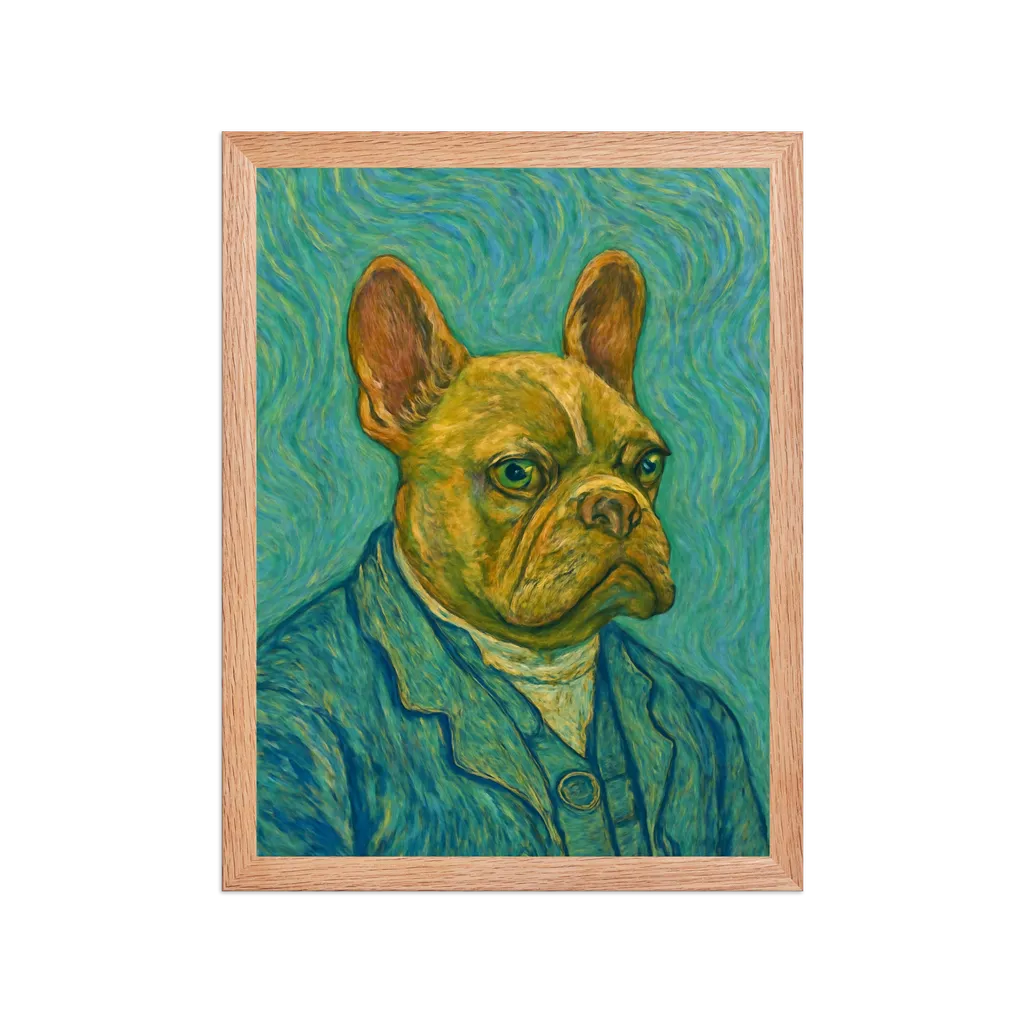
Take one photo from the same angle each month. Over time, you will notice posture changes, coat condition, and weight fluctuations. These photos also make meaningful portraits—a visual timeline of your dog's life.
”I ordered a Van Gogh style portrait of my golden retriever Max, and it exceeded all expectations! The colors are vibrant and it looks amazing above our fireplace.”
When to Consult a Professional
Holistic practices complement—not replace—professional care. Seek help for:
- Any sudden change in behavior or mobility
- Pain that does not improve with rest
- Chronic issues that home care is not addressing
- Before starting new therapies (acupuncture, hydrotherapy, etc.)
Frequently Asked Questions
How often should I massage my dog?
Daily light massage (2-5 minutes) is fine. Deeper massage sessions can be 2-3 times per week. Watch your dog's response—some love it daily, others prefer occasional sessions.
Can massage help with arthritis?
Yes, gentle massage improves circulation and reduces muscle tension around arthritic joints. Avoid direct pressure on joints. Consult your vet for specific guidance on your dog's condition.
My dog does not like being touched. What should I do?
Start with very short sessions (30 seconds) and high-value treats. Build positive associations gradually. Some dogs never enjoy massage—respect their preference and focus on other holistic practices.
Is holistic care expensive?
Most practices in this guide cost nothing—massage, stretching, routine building, and observation are all free. Professional services (acupuncture, hydrotherapy, chiropractic) vary in cost and may be partially covered by pet insurance.
Start Today
You do not need to implement everything at once. Pick one practice—evening massage, monthly health check, or calming routine—and build from there. Small, consistent efforts add up to significant quality of life improvements.
Document your dog's journey with regular photos. The calm, comfortable moments make excellent portrait source images. Browse our style catalog to see how different artistic styles capture these peaceful moments.
Create Your Own Van Gogh Portrait
Transform your pet into a stunning work of art with our custom portrait generator.
Explore This Style